Social Media Advertising
Facebook Advertising Company That Turns Meta Ads Into Sales
Meta ads on Facebook bought for one number: sales and leads you can trace back to the ad, the audience, and the dollar that produced them.
Get Your Free Proposal Call (888) 644-7795
- Meta Blueprint certified team
- Flat monthly fee, month to month, no setup fees
- Your ad account and pixel, always
As Featured In





A Facebook advertising company plans, produces, and manages paid campaigns in Meta Ads Manager: the targeting, the creative, the budget, and the tracking that proves what came back. Egochi is a Facebook advertising company doing that work for businesses from single-location shops through corporate and enterprise brands, as the Facebook spoke of our social media advertising services. The team is Meta Blueprint certified, campaigns run inside your own ad account, and every report counts tracked sales and leads instead of reach. The next step costs nothing: a free proposal that names the audiences, the creative plan, the budget, and the flat management fee before you spend a dollar.
How much does a Facebook advertising company cost?
Egochi charges a flat monthly management fee from $1,500 to $7,500 on most Facebook ad programs, set by creative volume and testing depth, with enterprise programs from $7,500. Ad spend is separate and goes from your card directly to Meta. There are no setup fees, no percent-of-spend cut, and no long-term contract: the engagement runs month to month.
Egochi has run Facebook ads alongside search, web, and email programs since 2014, from offices in New York, Miami, Milwaukee, and Madison, with 250+ Google reviews and 190+ Clutch reviews at a 5.0 rating behind the work. The credentials are the real kind: Meta Blueprint certifications on the people buying your media and Google Premier Partner status on the search side, so Facebook and Google get planned as one budget instead of two rival invoices. Everything runs in your own Business Manager with billing on your card, which means the pixel, the audiences, and the results stay yours if we ever part ways.
Facebook Advertising Services We Offer
Six pieces of work that make Facebook ads a system instead of a spend. Every engagement runs all six, because an account missing any one of them leaks money through the gap.
-
Campaign Strategy and Account Structure
Egochi builds the plan before any ad runs: the offer, the campaign objectives, the audience map from cold to customer, and the account structure that keeps learning clean. Campaign types follow the goal, whether that is purchases, lead forms, bookings, or store visits.
-
Ad Creative Production
We produce the ads in-house: single images, carousels, Stories and Reels formats, and short-form video ads cut for the feed, with our video production services behind the footage. Every concept ships in variants, because on Facebook the creative is the biggest lever you own.
-
Audience Targeting
Custom audiences from your customer lists and site visitors, lookalike audiences seeded from your best buyers, interest and behavior stacks, and Advantage+ expansion where the account has earned it. The targeting section below shows how the pieces fit.
-
Retargeting and Catalog Ads
Egochi builds the retargeting and remarketing campaigns that close warm traffic: site visitors, cart abandoners, video viewers, and past customers, each segmented by warmth. For stores, catalog ads show each shopper the products they actually browsed, at a scale no manual campaign matches.
-
Pixel and Conversions API Setup
The Meta pixel and the server-side Conversions API go in together before launch, deduplicated so the account sees conversions that browser tracking alone now misses. An ad account that cannot prove its sales is spending your money on faith, and faith does not survive our reporting.
-
Testing, Management, and Reporting
Facebook ads management here means daily monitoring, budget pacing, and a standing test queue across creative, audiences, and placements. We at Egochi kill losing ads without sentiment, scale winners with the math attached, and report return on ad spend and cost per result in language a CFO can audit.
What does a Facebook advertising company do?
A Facebook advertising company runs paid campaigns in Meta Ads Manager on your behalf: strategy, audience targeting, ad creative, budget pacing, testing, and conversion tracking. The difference from posting on Facebook is control. Ads choose who sees the offer and carry tracking that ties every sale or lead back to the campaign, so the spend can be judged in revenue instead of reach.
The Order We Buy Facebook Audiences In
Meta still knows more about its users than any ad platform except Google, and the accounts that win use that knowledge in a deliberate order: your own data first, models built from it second, the platform’s guesses last. The full walkthrough of how each audience gets built lives in our Facebook audience targeting post; here is the order we buy in.
-
Your Own Data Comes First
Customer lists, site visitors, past purchasers, and people who already engaged with you make the strongest audiences on the platform, because they are built from behavior you own rather than interests Meta inferred. Every account starts by wiring these before a dollar goes to strangers.
-
Lookalikes Clone Your Best Buyers
A lookalike audience is only as good as its seed. Built from all your customers it clones the average; built from your highest-value repeat buyers it hunts for more of them. We seed narrow on purpose and widen only when the results say to.
-
Interest Stacks Fill the Cold Top
Interest targeting and behavior layers still earn their place for new accounts with no data to model from, layered so each audience has one clear hypothesis. The moment your own data can carry prospecting, the interest stacks hand over the budget.
-
Advantage+ Expands What Already Works
Meta’s automated audience expansion performs when the account has conversion history to learn from and flails when it does not. We turn it on where the signal exists and keep it off where it would just spend faster, which is a judgment the platform will never volunteer.
What We Let Advantage+ Decide and What Stays Human
Meta now automates most of what agencies used to charge for: placements, bidding, audience expansion, even creative variations. The honest question is no longer whether to use Advantage+, it is which decisions to hand it, and this is the map we run accounts by.
-
Let the Machine Deliver
Bid pacing, placement mixing, and matching catalog products to shoppers are decisions Meta makes millions of times a day with data no human sees. Fighting the delivery system with manual bids and forced placements is how accounts pay 2019 prices for 2026 inventory.
-
Keep the Offer Human
The automation can only sell what it is handed. The offer, the price framing, the angle, and the creative concepts stay human decisions, and they now matter more, not less, because when everyone runs the same delivery machine, the input is the only edge left.
-
Guard the Exclusions
Left alone, automated expansion will happily spend prospecting budget on your existing customers, because they convert beautifully. Exclusion audiences, frequency judgment, and keeping retargeting money off people who already bought are guardrails the platform profits from you forgetting.
-
Audit the Homework
Meta grades its own results and counts generously. Every automated campaign we run gets audited against your analytics and your actual sales, because the delivery machine deserves trust about delivery, not about accounting.
Are Facebook ads still worth it?
Yes, for offers a feed can sell. Facebook still reaches the broadest adult audience in the US across ages and incomes, and the buyers with money never left. What changed is the craft: privacy updates weakened easy tracking and precision targeting, so accounts now win on creative, first-party data, and server-side measurement. Run the 2019 playbook and Facebook ads look dead; run the current one and they buy customers profitably.
On Facebook the Creative Is the Targeting Now
The privacy changes took away most of the targeting precision Facebook ads were famous for, and the platform’s answer was to make the creative do the selecting. The first three seconds of an ad now decide who watches, and the delivery system reads that behavior as targeting data.
-
The Hook Picks the Audience
Who stops scrolling in the first seconds tells Meta who the ad is for, more precisely than any interest checkbox. An ad that opens on the problem it solves recruits buyers; an ad that opens on your logo recruits nobody, no matter how sharp the audience settings behind it.
-
Concepts Beat Variations
Ten crops of the same idea teach the account nothing. Real A/B testing runs genuinely different angles, price-led against problem-led against proof-led, because the platform can find the best version of a concept on its own but can never invent a new one.
-
Native Beats Polished
Ads that look like the feed outperform ads that look like ads, most visibly in Reels and Stories placements. That is uncomfortable for brands that equate polish with professionalism, and we will show you the numbers rather than argue taste.
-
The Refresh Is Scheduled, Not Improvised
Every winning ad wears out its audience eventually, so replacement creative gets produced while the winner still runs, on a cadence set by spend level. Accounts that start making ads after performance drops pay ad fatigue prices for the whole production gap.
Where Facebook Budgets Quietly Leak
A Facebook campaign is really a bid on a dozen different ad slots at once, and they are not equally honest. Where your ads actually ran is one of the most revealing reports an account produces, and one of the least read. Here is what we watch.
-
The Feeds Do the Selling
Facebook feed and Reels placements carry most genuine buying attention, and the auction prices them that way. When a report brags about cheap impressions, the first question is which placements produced them, because cheap and worthless photograph identically in a CPM column.
-
Audience Network Buys Volume, Not Buyers
The off-Facebook Audience Network can flood an account with low-cost clicks from apps and sites your buyers never chose, including accidental taps. We keep it on a short leash and cut it the moment its conversions fail to match its click volume.
-
Marketplace Earns Its Place for Local
Marketplace placements put offers in front of people already in buying mode, which makes them quietly strong for local services, vehicles, and home categories. It is one of the few placements where intent, not interruption, is doing the work.
-
The Placement Report Ships Monthly
Every Egochi report shows results by placement, not blended, so you can see where the sales came from and where the impressions merely happened. Blended numbers are how weak placements hide inside strong campaigns.
Facebook Lead Forms Against Landing Pages, Honestly
Facebook lead ads collect a name and number without the person ever leaving the app, and that convenience cuts both ways. The honest comparison decides more lead-gen budgets than any targeting choice, so here it is in the open.
-
In-App Forms Are Cheaper and Colder
Pre-filled forms produce more leads at a lower cost per lead, and a share of them barely remember submitting. That is not a scam, it is a trade: volume and price against intent. Accounts that judge lead ads on cost per lead alone always overrate them.
-
Landing Pages Are Dearer and Warmer
Sending the click to a page that explains the offer costs more per lead and delivers people who chose you twice. For high-ticket services where a sales conversation follows, the warmer lead usually wins the math even at double the price.
-
Speed to Contact Decides Both
A Facebook lead cools within minutes of submitting, whichever way it arrived. CRM wiring, instant notification, and a same-hour follow-up habit routinely change lead-ad results more than any audience edit we can make, and we will say so before rebuilding your targeting.
-
Qualify in the Form, Not After
One honest qualifying question, budget, timeline, or service area, cuts lead volume and raises lead quality in the same move. Fewer, better leads is a choice the form design makes, and for most service businesses it is the right one.
When the click goes to your site, the page carries half the result, and testing those pages scientifically is its own discipline: our conversion rate optimization services own it. This page buys the right traffic; that one makes the traffic convert better every quarter.
Are Facebook Ads Right for You?
Facebook ads create demand; they do not capture it. If your buyer searches at the exact moment of need, an emergency plumber, a same-day locksmith, search ads through our PPC management services deserve the first dollar, because Facebook interrupts while search answers. Here is who belongs on this page.
Who this is for
- Ecommerce brands whose products a strong image or a fifteen-second video can sell. Catalog ads, retargeting, and creative testing are built for you.
- Local and multi-location service businesses that want the neighborhood seeing their offer: med spas, gyms, restaurants, home services, practices. Facebook still reaches local adults at a scale nothing else matches.
- Lead-gen businesses that answer leads fast: real estate, fitness, healthcare, financial services. Speed to contact decides your results as much as targeting does.
- Businesses already winning search demand that want the other half: buyers who match your customers but are not searching yet.
When this may not be the right fit
- Offers that have never converted anywhere. Ads amplify what exists; they cannot invent product-market fit, and we will say so before taking the budget.
- Businesses whose margins cannot survive paid acquisition math. If margin per sale cannot cover a realistic acquisition cost, the fix is the offer or the price, not a better audience.
- B2B offers whose only viable audience is a job title. That is LinkedIn work, and a proposal from us will route the budget there rather than force Facebook to do what it does worst.
How long do Facebook ads take to work?
First data lands within days, and that early read is noisy by design. Campaigns leave the learning phase once conversions accumulate, usually within weeks, creative and audience tests find their winners across the first one to two months, and return on ad spend deserves judgment on a 90-day view. Anyone promising profitable Facebook ads in week one is reading clicks, not sales.
Our Facebook Advertising Process, Built on VERTEX Social™
Every campaign runs inside VERTEX Social™, the 14-step social framework behind every Egochi social engagement, through its stages of Listen, Plan, Create, Publish, Grow. The five moves below are those stages carrying a Facebook ads program.
-
Listen
The Account and Market Audit
Past campaigns, pixel health, audience assets, competitor ads in the Meta Ad Library, and the acquisition math your margins can support. If ads have run before, the history says what to keep; if not, the audit sets honest benchmarks.
-
Plan
Audiences, Structure, and the Budget Map
The audience order from your own data outward, campaign structure that keeps learning clean, the creative brief, and the tracking plan, written before anything spends. This document is the contract the account answers to.
-
Create
Creative Built in Concepts and Variants
Ads produced for feed, Stories, and Reels in genuinely different concepts, each in variants, because launch day is a test day. Hooks, angles, and offers are designed to be compared, not admired.
-
Publish
Tracking Proven, Then Launch
Pixel and Conversions API events fire-tested end to end, exclusions in place, then campaigns go live with budgets paced deliberately through the learning phase instead of judged during it.
-
Grow
Test, Prune, and Scale
Winners get budget, losers get killed, fatigued creative gets replaced from the bench, and placements get audited monthly. Scaling recommendations arrive with the return math attached, never as a feeling.
VERTEX Social™ is the social discipline inside the EGOCHI VERTEX™ Growth System, the operating system behind every Egochi engagement, whichever channel carries the budget.
Fair Questions Before You Buy Facebook Ads
Everyone says Facebook is dying, so why advertise there?
The discourse and the data disagree. Facebook still reaches more US adults across more age and income brackets than any other social platform, and the demographic that supposedly left, people with money to spend, is exactly who still scrolls the feed, browses Marketplace, and sits in local groups. What actually died is organic reach for business pages, which is a reason to buy ads, not a reason to leave. We judge the platform by cost per customer in your account, not by what teenagers use.
We boosted posts before and nothing happened.
Then you have not run Facebook ads yet. Boosting buys engagement on one post with almost none of the machinery: no conversion objective, limited audience control, no retargeting structure, no real testing, no tracking worth the name. Ads Manager campaigns choose a business outcome and are built to be measured against it. The blue button and the buying discipline share a platform and nothing else, and judging the second by the first is the most common write-off we reverse.
Can you promise us a return before we start?
No, and treat anyone who quotes a return before seeing your offer, margins, and account history as quoting what you want to hear. Results depend on price point, creative, competition, and season, none of which an agency controls alone. What we commit to is the machinery: honest targets from your own math, tracking that counts truthfully, a test queue that never idles, and reporting that shows the number as it is. The proposal includes the acquisition math worked from your figures, so the target is at least yours.
Why did our ads work for months and then stop?
Usually one of three things, and the account history says which. Creative fatigue is the common one: the audience saw the winner enough times and stopped responding, which shows up as climbing frequency before costs rise. Tracking decay is the sneaky one: a pixel or API change quietly undercounts, performance looks dead while sales continue. Market shift is the rest: a competitor outbidding the auction or a seasonal turn. All three are fixable, and none of them means the platform stopped working.
The Client Engagements Behind This Page
Every number below is register-fed and covers its engagement whole. Where paid metrics exist in the register, they lead the card; nothing here is attributed to a single channel that a multi-channel program earned together.
-
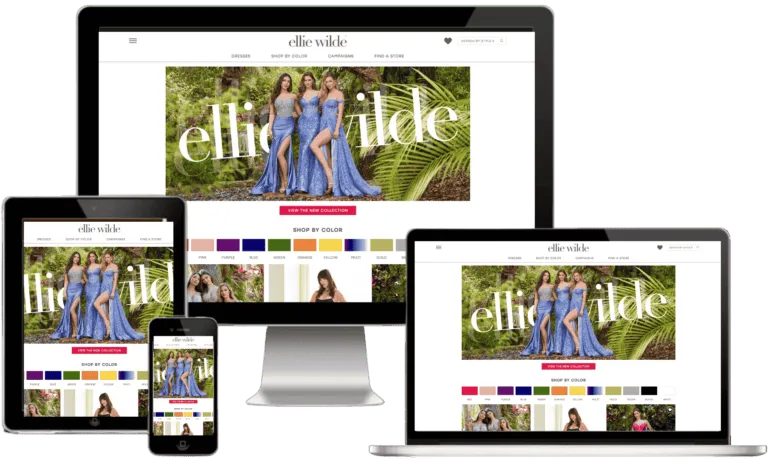
Ellie Wilde
Prom Fashion | Ecommerce
A prom dress brand selling on a hard seasonal clock, where paid social and email carry the peak. Social, paid, and email ran as one program, and the registered numbers cover the engagement whole.
- +60% Paid Click-Through Lift
- +80% Social Engagement
- 100K+ Monthly Visitors
-
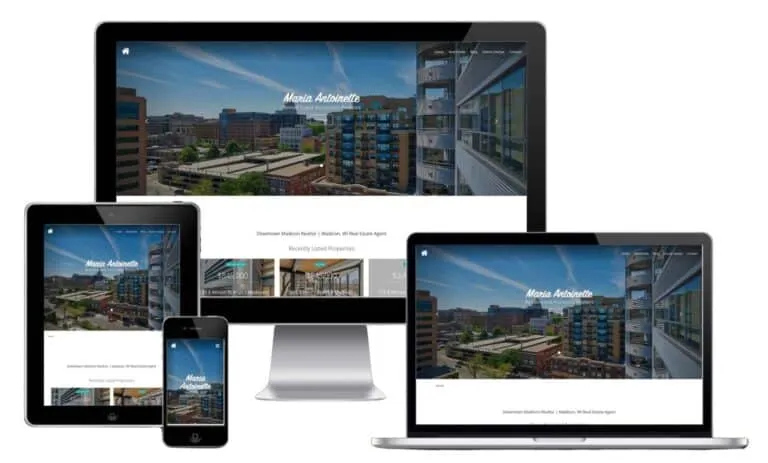
Maria Antoinette
Real Estate | Madison WI
An independent realtor competing with brokerage giants, where paid social, search, and email fed one lead funnel. Whole-engagement numbers, and every lead is a commission conversation.
- +45% Paid Click-Through Rate
- 6 → 28 monthly Organic Leads
- 50% Email Open Rate
-
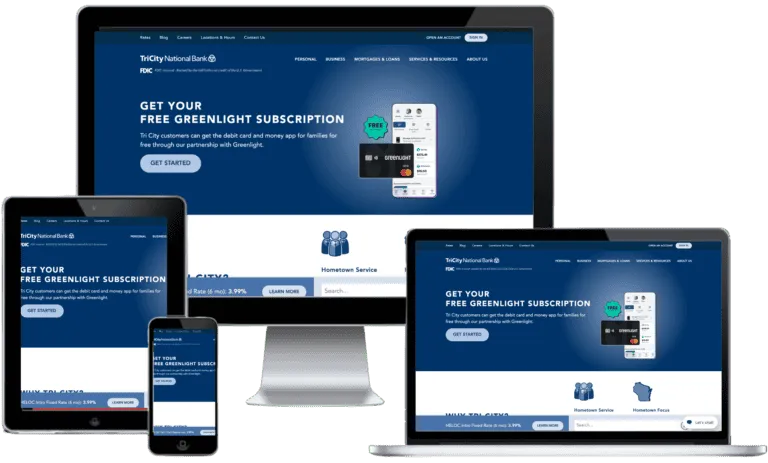
TriCity National Bank
Community Bank | Wisconsin
A community bank buying account openings and loan applications against national names. Web, search, paid, and email ran together, and the paid conversion number is the one this page cares about.
- +77% Paid Conversion Rate
- +90% Organic Traffic
- +80% Email Engagement
-
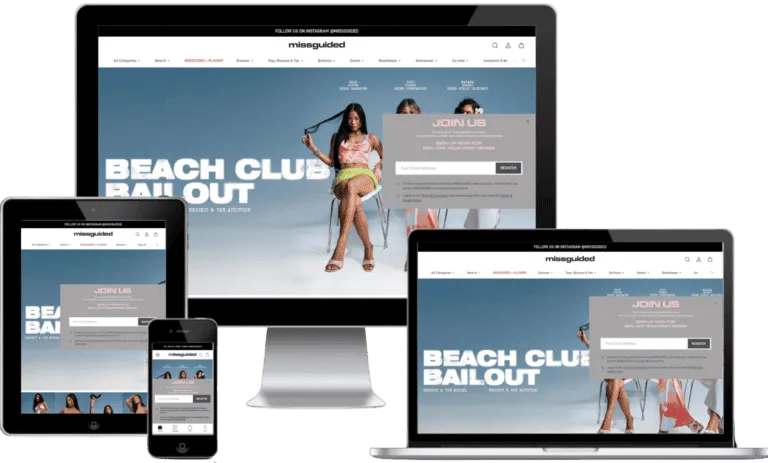
MissGuided
Fashion | Ecommerce
A fashion retailer whose catalog turns over with the season, run on search, paid social, and site experience together. The engagement reads whole, and the revenue line is the scoreboard.
- $2M-$3M Monthly Revenue
- 4.1% Conversion Rate
- 100K+ Monthly Visitors
-
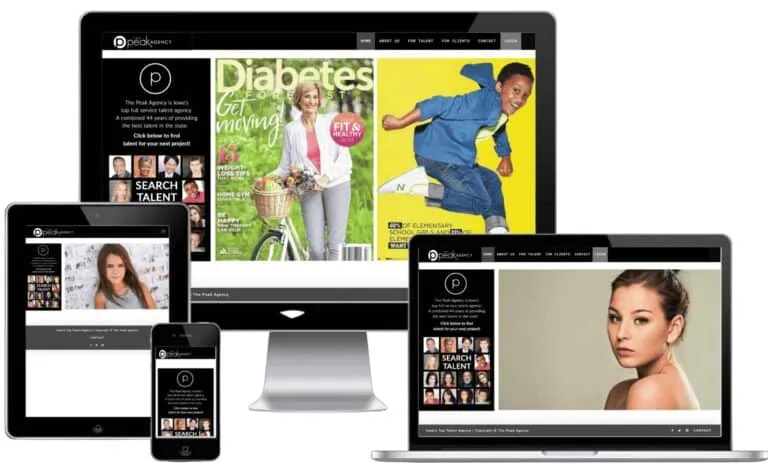
The Peak Agency
Talent Agency | Consumer Brand
A talent agency whose product is attention, which makes social the storefront. The program ran content and amplification together, and inquiries are the number that pays.
- +78% Social Engagement
- +65% Talent Inquiries
- +70% Top Talent Conversion
-
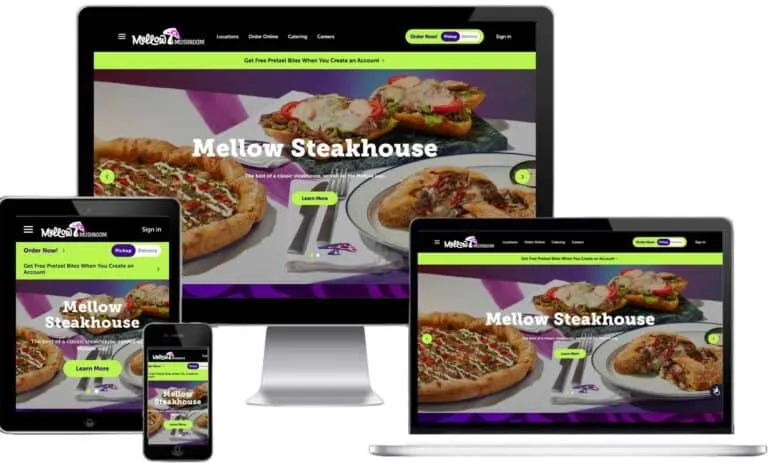
Mellow Mushroom
Restaurants | Multi-Location
A restaurant brand whose wins are orders and reservations, fought for location by location where local adults actually scroll. Whole-engagement numbers as published.
- +245% Online Orders
- +312% Local Traffic
- Top 3 Local Pack
The full write-ups live in the case library, sliced so you can read the engagements closest to yours: social media marketing case studies.
Meet Your Facebook Advertising Team
The media buyers, creatives, and analysts behind the campaigns, led by Ina Komins, our Head of Social Media Marketing, with Kierra Pita's advertising team on the buying.
-

Jobin John
Chief Executive Officer
-

Justin Brown
Head of Search Engine Optimization
-

Bryan Thomson
Head of Web Design & Development
-

Ina Komins
Head of Social Media Marketing
-

Kierra Pita
Head of Advertising & Content Marketing
-

Patricia Turner
Chief Creative Officer
-

William Carter
Chief Digital Strategy Officer
-

Andrew Miller
Senior SEO Strategist
-

Amy Robinson
Content Marketing Manager
-

Betty Harrison
PPC Campaign Specialist
-

Anthony Carter
Lead Digital Account Executive
-

Amanda Cooper
Social Media Director
-

Carol Parker
Senior Client Success Manager
-

Barbara Bennett
Email Marketing Lead
-

Charles Turner
Technical SEO Analyst
-

Brian Sullivan
Creative Director
-

Christine Walker
Director of Project Management
-
Christopher Brooks
Digital Marketing Strategist
-

Daniel Wright
Senior Analytics Specialist
-

David Henderson
Lead Content Strategist
-

Donna Mitchell
Client Communications Manager
-

Elizabeth Foster
Director of Paid Advertising
-

Emily Baredi
Brand Experience Specialist
-

Emma Scott
Social Media Content Creator
-

George Crawford
Technical Solutions Architect
-

Jacob Evans
Digital Content Coordinator
-

James Anderson
Marketing Automation Specialist
-

Jason Palmer
Junior Copywriter
-
Jeffrey Reynolds
Paid Media Analyst
-

Jennifer Lewis
Community Engagement Specialist
-

Jonathan Murphy
SEO Reporting Specialist
-

Joseph Morgan
Influencer Marketing Coordinator
-

Kenneth Stevens
Digital PR Manager
-

Kimberly Harper
Digital Marketing Intern
-

Kevin Morris
SEO Outreach Specialist
-

Lee Dawson
Junior Web Developer
-

Linda Peterson
Email Campaign Coordinator
-

Lisa Thompson
Social Media Ads Specialist
-

Margaret Bradley
Marketing Operations Lead
-

Mark Richards
Data & Insights Analyst
-

Mary Kennedy
Senior Copyeditor
-

Matthew Clark
Growth Marketing Manager
-
Michelle Sanders
Junior Marketing Designer
-

Michael Foster
Senior Conversion Rate Specialist
-

Nancy Wheeler
Digital Analytics Manager
-

Nicholas Pierce
Affiliate Marketing Specialist
-

Nicole Adams
Outreach Program Coordinator
-

Paul Franklin
Paid Social Campaign Manager
-

Richard Barnes
Reputation Management Specialist
-

Robert Murphy
Lead Solutions Architect
-

Ronald Davis
Marketing Technology Analyst
-

Ryan Bell
Paid Media Buyer
-

Sandra Gregory
Digital Account Coordinator
-

Scott Hopkins
CRM Implementation Specialist
-

Shirley Ellis
Customer Insights Manager
-

Stephanie Cross
Brand Content Designer
-

Steven Greene
Web Analytics Specialist
-

Susan Price
Affiliate Campaign Manager
-

Thomas Fisher
Lead Technical Architect
-

Timothy Nash
Mobile Marketing Strategist
Facebook Advertising FAQs
Do you run Instagram ads too?
Yes, in the honest Meta Ads Manager sense: Instagram feed, Stories, and Reels placements ride the same campaigns as Facebook when the results earn them, and we report both by placement so you see which one sold. Instagram as its own channel, the profile, the content strategy, the formats that platform rewards, is a different discipline with its own page: our Instagram marketing company team owns it.
Who owns the ad account, the pixel, and the data?
You do, without exception. Campaigns run inside your own Business Manager and ad account with Meta billing on your card, we work through partner access, and every audience, creative asset, and result stays with you if the engagement ends. Agencies that insist on running spend through their own accounts are building a switching cost into your program, and sometimes a hidden margin. We build neither.
What budget do I need to start?
Enough for the account to produce conversion data every week, which depends on what a conversion costs in your market, not on a universal number. A $20 lead and a $200 sale need very different budgets to learn from. The proposal names a starting spend worked from your own acquisition math, and if the workable budget is genuinely below the learning threshold, it will say so and recommend a narrower campaign or a different channel first.
Do you create the ads or do we supply them?
We produce them: concepts, copy, images, carousels, and short-form video, built in variants for testing and refreshed on a cadence tied to your spend. You approve everything before it runs, and your product photography, past winners, and customer reviews all feed the work. If you have an in-house creative team, we brief them instead and run the testing queue around what they ship.
How is Facebook advertising different from Google Ads?
Intent. Google answers people actively searching for a solution; Facebook reaches people who match your buyer but were not looking, which makes Facebook the demand-creation channel and search the demand-capture one. Creative, costs, and timelines all differ with that intent. Most businesses eventually run both, and because Egochi manages both, the two get planned as one budget with shared conversion data instead of two agencies arguing over credit.
What happens with iOS and privacy changes now?
They are the operating environment, not an excuse. Browser pixels alone undercount, so every account we run pairs the pixel with the server-side Conversions API, deduplicated, and leans on first-party audiences built from your customer data. Broader targeting with creative doing the selecting replaced micro-targeting, and results get audited against your analytics and actual sales rather than platform-reported numbers alone. Accounts wired this way still buy customers profitably.
What does reporting look like month to month?
Return on ad spend, cost per acquisition (CPA), or cost per result headlines the report, backed by spend accounted to the dollar, results by campaign and by placement, what got tested and what it taught, and what changes next month. Platform-claimed conversions get checked against your analytics before they reach you. No reach charts standing in for results, and no metric you would have to ask us to translate.
How do I choose a Facebook advertising company?
Ask any Facebook ads agency whose ad account the campaigns run in; the only good answer is yours, with billing on your card. Ask how the fee is structured; a flat fee beats a percent-of-spend cut that rewards spending more. Ask to see a sample report with results broken out by placement. And a ROAS quoted before anyone has seen your account is the reliable walk-away sign.
Do you require a contract?
Month to month, with no setup fees, on every Egochi program. Facebook ads do need honest time to test into their winners, and we will tell you plainly that judging the account in week three is judging the learning phase. But the retention mechanism is the reporting, not a lock-in: you see the numbers every month and stay because they hold up.
How do I get started?
Send the proposal form below or call, and tell us what you sell, roughly what a customer is worth, and whether Facebook ads have run before. You get back a written plan naming the audiences, the creative approach, the starting budget, the honest timeline, and the flat management fee. If the truthful answer is search ads first, a landing-page fix first, or no paid at all yet, the proposal opens by saying so.
Ready for Facebook Ads That Answer in Sales?
Tell us what you sell, what a customer is worth, and whether Facebook ads have run before, and we will send back a written plan naming the audiences, the creative approach, the starting budget, the honest timeline, and the flat management fee. If the truthful answer is search ads first or a landing-page fix first, the proposal will open by saying so.
Questions? Call (888) 644-7795 or email [email protected]
Egochi Stats
- $200M+ Client Revenue Generated
- 500+ Clients Served
- 250+ Google Reviews
- 190+ Clutch Reviews
- 12+ Years in Business
- 60+ Team Members
- 150+ Websites Delivered
- Premier Google Partner
Blog Posts
- Sep 27, 2026 Google September 2026 Spam Update Rolls Out Worldwide
- Aug 12, 2026 GEO vs. SEO: A Comparative Guide for Digital Marketers
- Aug 12, 2026 What is llms.txt? | How to Create llms.txt file for your website
- Aug 12, 2026 What is Semantic SEO? | How to Build Topical Authority That Ranks
- Aug 12, 2026 What is Schema Markup? | How to Add Structured Data to Your Website