Social Media Marketing
LinkedIn Marketing Company That Builds B2B Pipeline
Company pages, thought-leadership content, and LinkedIn Ads run by one team and reported in tracked B2B leads and pipeline, never in impressions.
Get Your Free Proposal Call (888) 644-7795
- Ads and organic run by one team
- Flat fee, never a percent of ad spend
- Month-to-month, no long-term contracts
As Featured In





LinkedIn marketing is the work of turning the one platform built around job titles into B2B revenue: the company page buyers check, the content that earns their trust, and the paid campaigns that reach them by role, seniority, industry, and named account. Egochi is a LinkedIn marketing company that runs both halves, organic and ads, as the LinkedIn arm of our social media marketing services. It fits businesses that sell to businesses, from single-office firms through corporate and enterprise teams, whose deal values can carry the most expensive clicks in social. Every program answers to tracked leads and pipeline, never follower counts. The next step costs nothing: a free proposal that names the audiences worth paying LinkedIn prices for in your market, and says plainly if your offer belongs on a cheaper platform.
How much does LinkedIn marketing cost?
LinkedIn marketing at Egochi runs on a flat monthly management fee: $1,500 to $7,500 on most programs and from $7,500 at enterprise scope, sized by content volume, campaign count, and testing depth. Ad spend is separate and goes from your card straight to LinkedIn. No setup fees, no percent of spend, month-to-month terms, and the free proposal ends with a fixed quote.
Egochi has run social and paid media programs since 2014 from offices in New York, Miami, Milwaukee, and Madison, with 250+ Google reviews and 190+ Clutch reviews at a 5.0 rating behind the work. Campaigns run inside your own LinkedIn Campaign Manager account with platform billing on your card, so the audiences, the performance history, and the data stay yours if we ever part ways. That ownership rule is not a detail. Agencies that run spend through their own accounts are also the agencies that cannot show you what anything really cost.
LinkedIn Marketing Services We Offer
Six pieces of work covering both halves of the platform, the organic presence and the paid campaigns. The proposal names which ones your program needs first, because few businesses should buy all six in month one.
-
Company Page Management
Egochi runs your LinkedIn company page as the credibility check it actually is: profile work, a steady publishing rhythm, follower growth from people who match your buyer, and replies that sound like a person. When LinkedIn is one platform of several, the cross-platform calendar runs through our social media management services.
-
Thought Leadership Content
We write LinkedIn posts, articles, newsletters, and carousels with your executives, built from their real opinions and client calls, because the feed reads generic ghostwriting instantly. Authority content is the organic half of the platform, and it is the half the ads-only shops skip entirely.
-
LinkedIn Ads Management
Egochi builds and manages Sponsored Content, message ads, text ads, and video campaigns in your own Campaign Manager account, with audiences, bids, and creative tested on a standing queue. The cross-platform paid discipline behind it lives with our social media advertising services; this page is its LinkedIn depth.
-
Lead Gen Forms and CRM Routing
Pre-filled Lead Gen Forms cut friction, and friction was doing your qualifying, so every form we run carries custom questions that filter for fit. Submissions route into HubSpot, Salesforce, or whatever CRM you already use with campaign source attached, deduplicated before anyone calls them.
-
Account-Based Marketing
For companies with a named-account list, we run ABM campaigns that put your offer in front of specific companies and the buying committee inside them, sequenced from awareness content to a direct ask. Smaller audiences cost more per impression, and they are worth it when the accounts are.
-
Reporting in Pipeline Terms
Monthly reporting reads in cost per qualified lead, meetings booked, and pipeline created, with spend accounted to the dollar. LinkedIn grades its own homework like every ad platform, so our numbers reconcile against your CRM, not against the dashboard that wants a bigger budget.
The Targeting Stack Has to Earn Its Click Costs
Precision is the whole reason LinkedIn advertising costs what it does, so targeting is where a program is won or quietly wasted. Four rules decide how we build audiences, and each one exists because we have watched its opposite spend money.
-
Declared Titles Beat Interest Guessing
Job titles, functions, and seniority on LinkedIn are declared by the members themselves, which makes it the one platform where reaching the actual decision-maker is a setting, not a hope. We target the committee, not just the signer, because B2B deals are approved by people who never fill out the form.
-
Account Lists Are the Sharpest Tool
Uploading a named-account list turns advertising into a rifle: your offer in front of the exact companies you would sign tomorrow. The audience is small and the impression costs run higher, which is why list campaigns only run when deal values justify them, and the proposal shows that math.
-
Layering Too Hard Raises Your Own Price
Every filter added shrinks the audience, and audiences squeezed too small make delivery expensive and learning slow. The discipline is picking the two or three filters that define your buyer and letting the platform work, instead of stacking ten and paying a premium to reach almost nobody.
-
Warm Audiences Get Funded First
Matched Audiences built from site visitors, video viewers, and people who interacted with your page convert at a fraction of cold cost, so retargeting gets built and budgeted before any cold campaign scales. Cold reach fills that pool. The pool closes the deals.
The Deal-Size Math Decides Whether LinkedIn Pays
The most useful thing a LinkedIn marketing company can tell you is when not to spend here. LinkedIn clicks are the most expensive in social because the targeting is worth paying for, and worth it is a number, not a feeling.
-
The Click Cost Must Fit the Deal
A platform where clicks routinely cost more than some products sell for only makes sense when a closed customer is worth thousands. Software contracts, professional services, financial and legal work, industrial buyers: that math carries easily. A forty-dollar consumer product cannot carry it, and no targeting fixes arithmetic.
-
Your Buyer Has to Actually Be Here
Pew Research Center found in 2024 that 30% of US adults use LinkedIn, a fraction of the biggest consumer networks. That fraction happens to contain the professional buyers B2B companies want, which is the entire trade: a smaller room with better attendees. If your customer is a homeowner scrolling at 9pm, the cheaper consumer feeds reach more of them for less.
-
Sales Follow-Up Decides Half the Return
A LinkedIn lead is a person who raised a hand in a professional context, and hands go down fast. Programs feeding a sales team that calls within a day produce pipeline. Programs feeding an inbox nobody owns produce an expensive list. We ask about intake before we take the budget.
-
Awareness Is a Real Goal With Its Own Math
Employer brand, category authority, and staying visible through a long deal cycle are legitimate reasons to spend on LinkedIn, measured in reach and recall rather than this quarter’s cost per lead. The failure mode is buying awareness while expecting the phone to ring. We make you pick, on the record.
On LinkedIn, People Out-Travel Logos
The least-known fact in LinkedIn marketing is distribution: the LinkedIn algorithm hands personal posts a reach that company-page posts rarely see. A program that only publishes as the logo is fighting the platform. Here is how we build around that instead.
-
The Feed Favors Faces
Members follow people, reply to people, and share people, so the same insight travels further from your CEO’s profile than from the brand account. Executive profiles are not a vanity project on this platform. They are the distribution channel.
-
The Company Page Is Proof, Not Voice
Buyers land on the page to verify you are real, staffed, and current before they answer anything. Its job is evidence: consistent posts, visible employees, client work. The persuading happens in personal feeds and in ads. The page closes the credibility check.
-
Executive Content Must Sound Like the Executive
We draft from interviews, sales calls, and the opinions your leaders already argue in meetings, and they approve every word before it publishes. Generic ghost content reads as generic instantly on a feed full of professionals, and it damages the exact authority it was bought to build.
-
Employee Sharing Multiplies Honest Reach
A post shared by twenty employees reaches more qualified feeds than many paid budgets, and it costs nothing beyond making content worth sharing. We set that employee advocacy motion up without scripts or mandatory-posting policies, because forced advocacy reads exactly like what it is.
A Form Fill Is Not a Lead Until It Fits Your Buyer
Lead Gen Forms cut friction so well that they can fill a CRM with names nobody should call. Here is the counting rule this page is accountable to, both halves of it, because a lead count is only as honest as its exclusion list.
What we count
- Form submissions matching your ideal customer profile on title, company size, and industry, delivered with their campaign and audience attached.
- Meetings and demos booked from LinkedIn campaigns, confirmed in your calendar or CRM, never inferred from clicks.
- Replies to message ads that became real conversations with people your sales team actually wanted to reach.
- Leads your sales team accepts as qualified, because their verdict outranks our dashboard, and we reconcile against it monthly.
What we refuse to count
- Students, job seekers, and vendors who submit forms. Pre-filled fields make them effortless to send and effortless to filter, so we filter.
- Content downloads relabeled as pipeline. A reader is a future audience, not a lead, and the relabeling flatters nobody but the agency.
- Impressions, followers, and engagement rates presented as outcomes. They are diagnostics on the way to the outcome.
- The same contact twice. Deduplication runs before reporting, because inflated counts misprice your cost per qualified lead.
The other honest thing about LinkedIn leads is that many of them finish somewhere else. A buyer your content warmed for months will eventually type the problem into Google and choose from what ranks, which is why our lead generation SEO services exist, and why the two programs share one lead ledger when clients run both.
Questions B2B Teams Ask About LinkedIn Marketing
-
What does a LinkedIn marketing company do?
A LinkedIn marketing company plans and runs a business on the platform end to end: the company page, the content published under your brand and your executives, and the paid campaigns bought through LinkedIn Ads. The service exists because LinkedIn rewards different work than other networks, professional targeting and subject-matter authority, and generalist social calendars stall there. The honest deliverable is qualified B2B leads, not posting activity.
-
Is LinkedIn marketing worth it for B2B companies?
Usually yes, with arithmetic attached. LinkedIn is the only platform that targets by job title, seniority, company size, and named account, and that precision carries the highest click prices in social media. The math works when a closed deal is worth thousands and a sales team follows up fast. It fails for low-ticket offers, which belong on cheaper feeds, and a proposal here will say so.
-
How long does LinkedIn marketing take to work?
Paid campaigns produce their first lead data within weeks, and the early read is noisy while audiences and creative get tested. Organic authority compounds slower: a company page and an executive voice usually need three to six months of steady publishing to move pipeline. After that, everything runs on your sales cycle. A six-month deal cycle means LinkedIn credit arrives on that same clock.
Our LinkedIn Marketing Process, Built on VERTEX Social™
Every program runs inside VERTEX Social™, the 14-step framework behind every Egochi social engagement, through its stages of Listen, Plan, Create, Publish, Grow. The five moves below are those stages carrying a LinkedIn program.
-
Listen
The ICP and Account Read
Who buys, who approves, and which of them are reachable on the platform. We audit your page, any inherited ad account, and your sales team’s actual close data before a dollar moves, and tracking gets wired in week one so the baseline is measured, not remembered.
-
Plan
The Audience Map and the Deal Math
Audiences, the content strategy and its pillars, the budget split between cold, warm, and account-list campaigns, and a cost-per-qualified-lead target derived from your deal value and close rate. This plan is the contract the reporting answers to.
-
Create
Ads and Authority Content Built Together
Sponsored Content and ad creative, Lead Gen Forms with qualifying questions, and executive content drafted from real interviews. Both halves ship from one calendar, so the ads and the organic voice argue the same case to the same buyer.
-
Publish
Launch Inside Your Own Accounts
Campaigns go live in your Campaign Manager with platform billing on your card, the Insight Tag and conversion tracking verified on your site, CRM routing tested with real submissions before spend scales, and the page cadence running. Nothing launches that cannot be traced.
-
Grow
Test, Scale, and Feed the Loop Back
Creative and audience tests run on a standing queue, winners take budget from losers, and closed-deal outcomes go back into the account so the platform learns to find buyers rather than form-fillers.
VERTEX Social™ is the social discipline inside the EGOCHI VERTEX™ Growth System, the operating system behind every Egochi engagement, whichever platform the engagement runs on.
Is LinkedIn Marketing Right for You?
Who this is for
- You sell to businesses and a closed deal is worth enough to carry premium click costs: software, professional services, finance, legal, healthcare technology, industrial and manufacturing buyers.
- Your buyers are titles you can name at companies you can list, and reaching them by role matters more than reaching everyone cheaply.
- You have a sales team that follows up within a day, or you want the intake problem named and fixed as part of the program.
- You want the organic half built too: an executive voice and a company page that survives the credibility check your ads create.
When this may not be the right fit
- Low-ticket consumer offers. The targeting premium cannot be carried by a small cart, and the cheaper consumer feeds will serve you better. We will name which ones on the first call.
- Businesses that need leads this week from a cold start. Paid gets moving in weeks, but honest LinkedIn programs are built on quarters, and anyone promising otherwise is selling you a list.
- Companies with nobody to work the leads. If replies sit for days, more spend amplifies an intake problem, and the proposal will say that before it says anything else.
Fair Questions Before You Hire a LinkedIn Marketing Company
Is organic posting enough, or do we need ads?
Depends which problem you have. Organic builds the authority and the credibility check, but its reach is slow and hostage to the feed. Ads buy reach on a schedule and die the moment budget stops. The strongest programs run a modest paid layer on top of a real organic voice, because each one fixes the other’s weakness. A proposal here prices both and tells you which one your situation is actually waiting on.
Why are LinkedIn Ads so much more expensive than Facebook Ads?
Because you are paying for who sees the ad, not how many. Facebook sells volume across everyone. LinkedIn sells declared job titles, seniority, and company data no other platform has. For a consumer offer, that premium is waste. For a B2B offer where one customer pays five or six figures, the expensive click that reaches the right VP beats a hundred cheap clicks that reach nobody who can buy. The platform is not overpriced. It is priced for a specific buyer.
Can you promise a set number of leads each month?
No, and treat that promise as a warning sign wherever you hear it. Lead volume depends on how many of your buyers are on the platform, your offer, seasonality, and your close rate, none of which an agency controls. What can be promised is machinery: qualified targeting, forms that filter, CRM routing that holds up to audit, and reporting your sales team recognizes as true. Anyone quoting a lead count before seeing your deal math is quoting what you want to hear.
Our company page is tiny. Does that kill the program?
No. Paid campaigns do not care about your follower count, and they usually carry the early months while the organic side grows. What a small page does affect is the credibility check: a buyer who clicks through from a strong ad and finds a ghost town hesitates. That is why page basics and a publishing rhythm ship in month one, not as a someday project. Small and current beats large and abandoned.
The Client Engagements Behind This Page
B2B and lead-driven engagements from the proof register, each with its numbers as published or confirmed. Where an engagement was bigger than one platform, the figures cover it whole, labeled honestly, because slicing a whole engagement into platform-sized brags is how proof stops being proof.
-
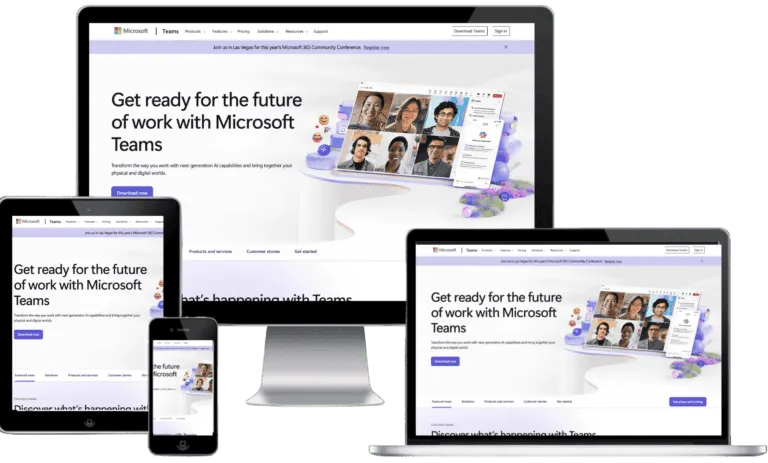
Microsoft
B2B Technology | Enterprise
An enterprise B2B program where the units that matter are qualified leads and pipeline, the same units this page reports in. The engagement numbers read whole, as published.
- +300% Lead Generation
- $2.4M Pipeline Revenue
- +150% Organic Traffic
-
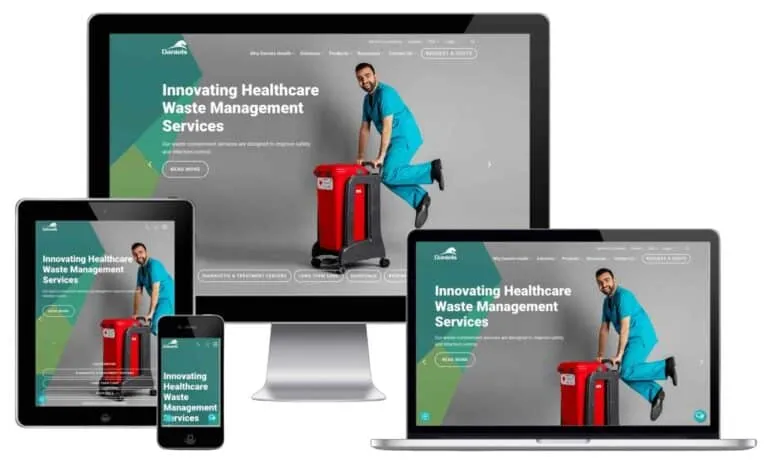
Daniels Health
Healthcare Compliance | National B2B
A national B2B brand in medical waste compliance, bought by facility managers and safety officers, not consumers. The engagement built search authority for that committee; the numbers cover it whole.
- +520 Referring Domains
- +73% Search Visibility
- DR 58 Domain Rating
-
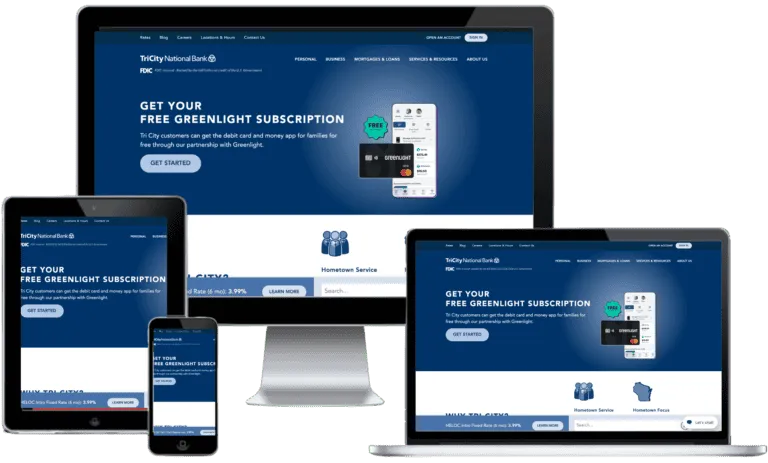
TriCity National Bank
Community Bank | Wisconsin
A bank whose commercial side sells to business owners: loans, treasury, accounts. Web, search, paid, and email ran together, and the paid conversion line is the one this page cares about.
- +77% Paid Conversion Rate
- +90% Organic Traffic
- +80% Email Engagement
-

Culbertson Law
Family Law | Greensboro NC
A law practice whose only meaningful metric is signed cases, tracked call by call. Search, the site build, and call tracking ran as one engagement, and every number reads in lead units.
- +91% Qualified Calls
- 8 → 41 monthly Signed Cases
- 35 → 98 Form Leads
-
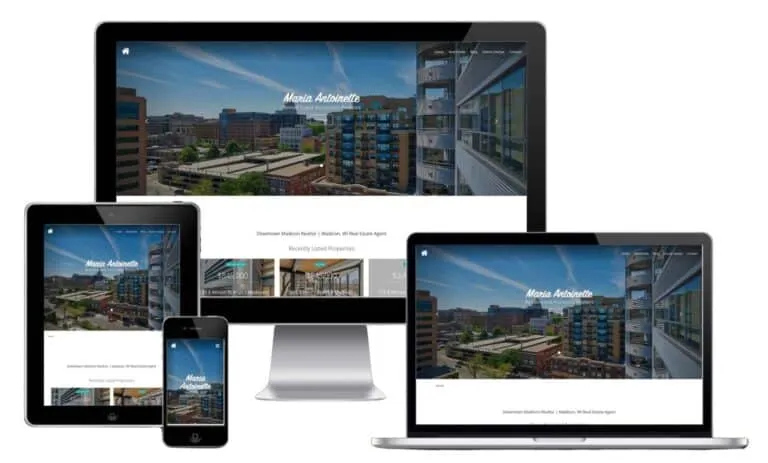
Maria Antoinette
Real Estate | Madison WI
An independent realtor whose leads are commission conversations, fed by social, search, and email as one funnel. Whole-engagement numbers, labeled honestly.
- 6 → 28 monthly Organic Leads
- 70% Organic Traffic Growth
- 50% Email Open Rate
-
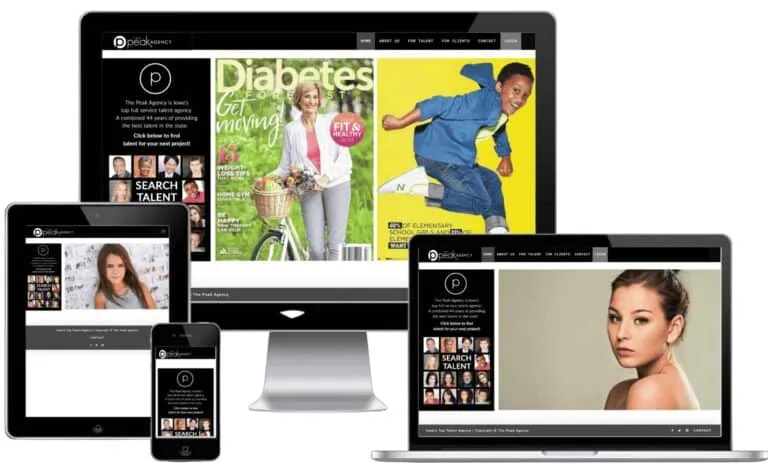
The Peak Agency
Talent Agency | Consumer Brand
An agency whose storefront is the feed itself, where engagement is the raw material and inquiries are the product. The program ran content and amplification together, and the registered numbers cover it.
- +78% Social Engagement
- +65% Talent Inquiries
- +70% Top Talent Conversion
The full write-ups live in the case library, sliced so you can read the engagements closest to yours: social media marketing case studies.
Meet Your LinkedIn Marketing Team
The social team led by Ina Komins builds the content and community side, and the paid campaigns run under Kierra Pita with the same pipeline reporting discipline across both.
-

Jobin John
Chief Executive Officer
-

Justin Brown
Head of Search Engine Optimization
-

Bryan Thomson
Head of Web Design & Development
-

Ina Komins
Head of Social Media Marketing
-

Kierra Pita
Head of Advertising & Content Marketing
-

Patricia Turner
Chief Creative Officer
-

William Carter
Chief Digital Strategy Officer
-

Andrew Miller
Senior SEO Strategist
-

Amy Robinson
Content Marketing Manager
-

Betty Harrison
PPC Campaign Specialist
-

Anthony Carter
Lead Digital Account Executive
-

Amanda Cooper
Social Media Director
-

Carol Parker
Senior Client Success Manager
-

Barbara Bennett
Email Marketing Lead
-

Charles Turner
Technical SEO Analyst
-

Brian Sullivan
Creative Director
-

Christine Walker
Director of Project Management
-

Christopher Brooks
Digital Marketing Strategist
-

Daniel Wright
Senior Analytics Specialist
-

David Henderson
Lead Content Strategist
-

Donna Mitchell
Client Communications Manager
-

Elizabeth Foster
Director of Paid Advertising
-

Emily Baredi
Brand Experience Specialist
-

Emma Scott
Social Media Content Creator
-

George Crawford
Technical Solutions Architect
-

Jacob Evans
Digital Content Coordinator
-

James Anderson
Marketing Automation Specialist
-

Jason Palmer
Junior Copywriter
-

Jeffrey Reynolds
Paid Media Analyst
-

Jennifer Lewis
Community Engagement Specialist
-

Jonathan Murphy
SEO Reporting Specialist
-

Joseph Morgan
Influencer Marketing Coordinator
-

Kenneth Stevens
Digital PR Manager
-

Kimberly Harper
Digital Marketing Intern
-

Kevin Morris
SEO Outreach Specialist
-

Lee Dawson
Junior Web Developer
-

Linda Peterson
Email Campaign Coordinator
-

Lisa Thompson
Social Media Ads Specialist
-

Margaret Bradley
Marketing Operations Lead
-

Mark Richards
Data & Insights Analyst
-

Mary Kennedy
Senior Copyeditor
-

Matthew Clark
Growth Marketing Manager
-

Michelle Sanders
Junior Marketing Designer
-

Michael Foster
Senior Conversion Rate Specialist
-

Nancy Wheeler
Digital Analytics Manager
-

Nicholas Pierce
Affiliate Marketing Specialist
-

Nicole Adams
Outreach Program Coordinator
-

Paul Franklin
Paid Social Campaign Manager
-

Richard Barnes
Reputation Management Specialist
-

Robert Murphy
Lead Solutions Architect
-

Ronald Davis
Marketing Technology Analyst
-

Ryan Bell
Paid Media Buyer
-

Sandra Gregory
Digital Account Coordinator
-

Scott Hopkins
CRM Implementation Specialist
-

Shirley Ellis
Customer Insights Manager
-

Stephanie Cross
Brand Content Designer
-

Steven Greene
Web Analytics Specialist
-

Susan Price
Affiliate Campaign Manager
-

Thomas Fisher
Lead Technical Architect
-

Timothy Nash
Mobile Marketing Strategist
LinkedIn Marketing FAQs
Do you run campaigns in our LinkedIn ad account or yours?
Yours, always. Campaigns are built in your own Campaign Manager account with platform billing on your card, and Egochi works inside it through agency access. The audiences, the performance history, and the data belong to you if we ever part ways, and no media markup can hide inside an invoice you can read yourself. An agency that insists on running spend through its own account is protecting its margin, not your results.
What is included in a monthly LinkedIn marketing engagement?
Strategy and audience work, campaign builds and daily management, ad creative, Lead Gen Forms with CRM routing, company page publishing, and reporting in pipeline terms. Executive thought-leadership content is scoped in where the program calls for it. The exact deliverables are fixed in the proposal, priced as a flat fee, so scope never drifts into surprise invoices.
Who writes the thought-leadership content, you or our executives?
Both, in a specific order. We interview your executives, pull from sales calls and the positions they already hold, and draft in their voice. They approve every word before anything publishes, and nothing ever posts from a personal profile without its owner’s sign-off. The result reads like the person because it started with the person. What we never do is publish generic industry filler under a leader’s name.
How much ad spend do we need beside the management fee?
Enough to produce steady conversion data every week in your market, which depends on your click costs and audience size, so the honest answer is sized in the proposal rather than quoted as a universal floor. Most programs start narrower than clients expect, funding warm audiences and account lists first, then scale from evidence. Ad spend always goes from your card to LinkedIn, never through us.
Can you work alongside our SDR or outbound team?
Yes, and the combination usually outperforms either alone. Ads and content warm the same accounts your outbound team touches, so replies rise on both sides, and campaign engagement tells your SDRs who is paying attention this week, the same signal they already mine in Sales Navigator. The one requirement is a shared definition of a qualified lead across channels, one ledger, so nobody wins internal arguments with private math.
Do you do cold InMail blasts or connection-request outreach?
No. We run message ads through the ad platform, where the message is disclosed as sponsored and capped by LinkedIn’s own frequency rules. Automated connection-and-pitch sequences from personal profiles violate LinkedIn’s terms, put your executives’ accounts at risk, and train your market to ignore you. If volume outreach is what you actually want, we will say plainly that we are the wrong vendor for it.
How do you report lead quality instead of just lead count?
Every lead carries its campaign, audience, and form answers, plus a disposition: fits the ideal customer profile, does not, or duplicate. Cost per qualified lead runs as a standing line beside raw cost per lead (CPL), so you can watch the gap between the two. Monthly, we reconcile our numbers against what your sales team accepted, and when the two disagree, the report gets corrected rather than defended.
How do I choose a LinkedIn marketing agency?
Start with account ownership: campaigns should run in your Campaign Manager with billing on your card, and an agency that insists on its own account is keeping your performance history as leverage. Ask whether the fee is flat or a percent of spend. Ask if they run organic and ads together, since single-slice shops leave half the platform unworked. And automated connection-request outreach is the walk-away sign, because it risks your executives’ accounts.
How do I get started?
Send the proposal form below or call, and tell us what a closed customer is worth and who buys from you. You get back a written plan naming the audiences, the campaign structure, the content plan, the honest timeline, and the flat fee. If the truthful answer is a cheaper platform first, or intake fixes before any spend, the proposal will open by saying so.
Ready for LinkedIn Reported in Pipeline Instead of Impressions?
Tell us what a closed customer is worth and who buys from you, and we will send back a written plan naming the audiences, the campaign structure, the content plan, the honest timeline, and the flat fee. If the truthful answer is a cheaper platform first or intake fixes before any spend, the proposal will open by saying so.
Questions? Call (888) 644-7795 or email [email protected]
Egochi Stats
- $200M+ Client Revenue Generated
- 500+ Clients Served
- 250+ Google Reviews
- 190+ Clutch Reviews
- 12+ Years in Business
- 60+ Team Members
- 150+ Websites Delivered
- Premier Google Partner
Blog Posts
- Sep 27, 2026 Google September 2026 Spam Update Rolls Out Worldwide
- Aug 12, 2026 GEO vs. SEO: A Comparative Guide for Digital Marketers
- Aug 12, 2026 What is llms.txt? | How to Create llms.txt file for your website
- Aug 12, 2026 What is Semantic SEO? | How to Build Topical Authority That Ranks
- Aug 12, 2026 What is Schema Markup? | How to Add Structured Data to Your Website