On-Page SEO Services
+156% Avg Organic Traffic | 500+ Pages Optimized | 89% First Page Rankings
Egochi is America’s #1 on-page SEO company with decade-long experience optimizing title tags, meta descriptions, header structures, content, and internal links that help pages rank higher in Google. Our certified on-page SEO specialists analyze every element search engines use to understand and rank your content, then optimize each factor for maximum visibility. Every recommendation is backed by data from 500+ successful campaigns.
As Featured In













On-Page SEO Results That Drive Revenue
Performance data from Egochi’s on-page optimization campaigns across ecommerce, professional services, healthcare, and local businesses.
What Is On-Page SEO?
On-page SEO (also called on-site SEO) is the practice of optimizing individual web pages to rank higher in search engine results and earn more relevant traffic. This includes optimizing visible content elements like title tags, meta descriptions, header tags, body copy, and images. It also covers HTML source code elements like schema markup, URL structure, and internal links. Egochi’s data-driven on-page SEO services analyze how Google interprets your pages, then optimize every ranking signal to match searcher intent and outperform competing content. Unlike off-page SEO which focuses on external signals like backlinks, on-page optimization gives you direct control over factors that influence rankings.
Why On-Page SEO Matters in 2025
Google’s algorithms have become extraordinarily sophisticated at understanding content quality, relevance, and user satisfaction. Here’s why on-page optimization is more critical than ever:
- Search intent matching – Google rewards pages that precisely answer what searchers are looking for
- E-E-A-T signals – Experience, Expertise, Authoritativeness, and Trustworthiness now influence rankings for every query type
- AI Overviews and featured snippets – Well-structured content gets cited by Google’s AI and earns position zero
- Core Web Vitals – Page experience signals directly impact rankings and user engagement
- Semantic understanding – Google’s NLP models evaluate topical depth and entity relationships
Egochi’s certified on-page SEO specialists optimize for all these factors, ensuring your pages satisfy both search algorithms and human visitors.
Common On-Page SEO Problems We Fix
If your pages aren’t ranking despite having quality content, one of these on-page issues is likely holding you back:
- Poor title tags and meta descriptions – Generic or missing tags that don’t attract clicks
- Weak header structure – H1-H6 tags that don’t signal content hierarchy to search engines
- Thin or duplicate content – Pages lacking the depth Google expects for your target keywords
- Missing internal links – Poor site architecture that fails to distribute page authority
- No schema markup – Missing structured data that enables rich results in SERPs
- Keyword cannibalization – Multiple pages competing for the same terms
Egochi’s on-page audit identifies exactly what’s wrong and prioritizes fixes by impact. Our certified team has solved these problems for 500+ businesses across every industry.
Critical On-Page SEO Elements We Optimize
Egochi’s certified specialists audit and optimize every on-page factor that influences how Google ranks your pages.
1 Title Tags
The title tag is the single most important on-page ranking factor. It appears in search results, browser tabs, and social shares. Egochi’s data-driven approach creates title tags that:
- Include primary keywords near the beginning
- Stay within 50-60 characters to prevent truncation
- Communicate clear value to encourage clicks
- Match searcher intent for your target queries
- Differentiate your page from competing results
2 Meta Descriptions
While not a direct ranking factor, meta descriptions directly impact click-through rate, which does influence rankings. Egochi writes meta descriptions that:
- Summarize page content in 150-160 characters
- Include a compelling call-to-action
- Feature target keywords naturally
- Preview the answer or value searchers will find
- Stand out from competitor descriptions
3 Header Tags (H1-H6)
Header tags create content hierarchy that helps both users and search engines understand your page structure. Egochi’s optimization includes:
- One unique, keyword-rich H1 per page
- Logical H2-H6 hierarchy that outlines topics
- Headers that match featured snippet formats
- Semantic keyword variations in subheadings
- Question-based headers for PAA targeting
4 Content Optimization
Content must satisfy search intent while demonstrating expertise. Egochi’s content optimization ensures:
- Appropriate depth and word count for the topic
- Natural keyword placement without stuffing
- Semantic and LSI keyword coverage
- Clear, scannable formatting with short paragraphs
- Original insights that add value beyond competitors
5 Internal Linking
Internal links distribute page authority and help Google discover and understand your content relationships. Egochi builds internal link structures that:
- Connect related content through topical clusters
- Use descriptive, keyword-rich anchor text
- Pass authority to priority pages
- Create clear navigation paths for users
- Reduce orphan pages with no internal links
6 Image Optimization
Images impact page speed, accessibility, and additional ranking opportunities in Google Images. Egochi’s image optimization covers:
- Descriptive, keyword-relevant alt text
- Compressed file sizes for faster loading
- Descriptive file names (not IMG_1234.jpg)
- Proper image dimensions to prevent layout shift
- Next-gen formats like WebP where supported
7 URL Structure
Clean URL structure helps search engines and users understand page content before clicking. Egochi creates URLs that:
- Include target keywords naturally
- Use hyphens to separate words
- Stay short and descriptive
- Avoid parameters, numbers, and special characters
- Reflect logical site hierarchy
8 Schema Markup
Structured data helps Google understand your content and enables rich results like FAQ snippets, reviews, and product information. Egochi implements:
- Organization and LocalBusiness schema
- FAQ and HowTo markup for featured snippets
- Product schema for ecommerce pages
- Article and Author schema for E-E-A-T
- BreadcrumbList for navigation context
On-Page SEO vs Off-Page SEO vs Technical SEO
Understanding how different SEO types work together helps you prioritize efforts and set realistic expectations.
| Factor | On-Page SEO | Off-Page SEO | Technical SEO |
|---|---|---|---|
| What It Covers | Content, title tags, headers, internal links, images, schema | Backlinks, brand mentions, social signals, reviews | Site speed, crawlability, indexing, mobile, security |
| Control Level | ✓ Full control – you own these elements | ◐ Limited – depends on external sites | ✓ Full control – server and code changes |
| Time to Impact | 2-8 weeks after implementation | 3-6 months for link building effects | Days to weeks for crawl/index fixes |
| Primary Purpose | Help Google understand and rank content | Build authority and trust signals | Ensure Google can access and process your site |
| Key Metrics | Rankings, CTR, time on page, bounce rate | Domain authority, referring domains, brand searches | Crawl stats, index coverage, Core Web Vitals |
| Ongoing Effort | Content updates, new page optimization | Continuous outreach and relationship building | Monitoring and maintenance |
| Starting Point | ✓ Start here – foundation for all SEO | Build after on-page is solid | Fix blocking issues first |
The Verdict: On-Page SEO Is Your Foundation
On-page optimization should be your first priority because it’s the foundation everything else builds upon. Off-page SEO (backlinks) won’t help pages with poor on-page signals. Technical SEO ensures Google can crawl your site, but rankings depend on on-page relevance. Egochi’s top-rated SEO services address all three, but we always start by auditing and fixing on-page elements to establish a solid foundation for sustainable rankings.
On-Page SEO Services We Offer
Egochi’s data-driven on-page optimization services cover every element that influences how Google ranks your pages.
Title Tag Optimization
Keyword-focused title tags that improve rankings and click-through rates from search results.
Meta Description Writing
Compelling meta descriptions that preview content value and drive more clicks from SERPs.
Header Tag Structure
Logical H1-H6 hierarchy that signals content organization to search engines and users.
Content Optimization
Strategic keyword placement, semantic coverage, and content depth optimization.
Internal Link Building
Strategic internal link architecture that distributes authority and improves crawlability.
Image SEO
Alt text optimization, file compression, and proper formatting for image search visibility.
URL Optimization
Clean, keyword-rich URL structures that improve rankings and user experience.
Schema Implementation
Structured data markup for rich results, FAQ snippets, and enhanced SERP visibility.
Duplicate Content Fixes
Canonical tags, content consolidation, and fixes for pages competing against themselves.
E-E-A-T Optimization
Author bios, credentials, citations, and trust signals that satisfy Google’s quality guidelines.
On-Page SEO Audit
Page-by-page analysis of every on-page element with prioritized recommendations.
Why Choose Egochi for On-Page SEO
What separates Egochi’s certified on-page specialists from agencies that make the same promises.
Data-Driven Decisions
Every optimization recommendation is backed by data from Google Search Console, SEMrush, and Ahrefs. Egochi’s certified team shows you exactly why each change will improve rankings.
Page-Level Reporting
Track ranking improvements, traffic changes, and CTR gains for every optimized page. Egochi’s transparent reporting connects on-page changes directly to measurable results.
Search Intent Expertise
We analyze what searchers actually want when they type a query, then optimize your content to satisfy that intent better than any competing page.
Content + SEO Integration
On-page SEO and content marketing work together. Egochi’s top-rated team handles both, ensuring your content is created for rankings from the start.
No Long-Term Contracts
We earn your business with results, not legal obligations. Egochi’s transparent approach works month-to-month after an initial commitment period.
Full-Service Capability
On-page optimization is most effective when combined with technical SEO, link building, and local SEO. Egochi handles everything under one roof.
On-Page SEO for AI Search and Featured Snippets
The same on-page optimization that earns Google rankings also positions your content for AI Overviews, ChatGPT citations, and voice search answers.
Google’s AI Overviews, ChatGPT, Perplexity, and other AI systems pull answers from web pages with clear structure, authoritative content, and proper markup. On-page SEO is how you earn those citations.
When your pages have well-organized headers, direct answers to questions, and schema markup, AI platforms recognize your content as citation-worthy. Egochi’s data-driven on-page services optimize specifically for these AI discovery opportunities.
- ✓ Question-and-answer content formatting for featured snippets
- ✓ FAQ schema markup for expanded SERP presence
- ✓ Clear, direct answers in the first paragraph
- ✓ Semantic keyword coverage for topical authority
- ✓ E-E-A-T signals that AI systems use to evaluate trustworthiness
- ✓ Structured data that helps AI understand content relationships

Related Questions About On-Page SEO
How long does on-page SEO take to work?
On-page changes typically show ranking impact within 2-8 weeks after Google recrawls the optimized pages. Some changes like title tag updates can produce CTR improvements almost immediately once indexed. Major content overhauls may take 4-12 weeks to fully impact rankings as Google reassesses topical authority.
Can I do on-page SEO myself?
Basic on-page optimization is possible for anyone willing to learn. Writing better title tags and headers is straightforward. But competitive rankings require keyword research tools, competitor analysis, and understanding of search intent that most business owners don’t have time to develop. Egochi’s certified specialists bring decade-long experience and enterprise tools to every optimization.
What’s the most important on-page SEO factor?
Title tags remain the single most impactful on-page element for rankings. After that, content quality and relevance to search intent carry the most weight. Header structure, internal linking, and schema markup all contribute, but a page with a poor title tag and thin content won’t rank regardless of other optimizations.
How often should I update on-page SEO?
Review and refresh on-page elements quarterly for important pages. Update content annually at minimum to maintain freshness signals. When rankings drop or competitors publish better content, prioritize immediate updates. New pages should be optimized before publication, not after.
On-Page SEO Case Studies
Real results from Egochi’s on-page optimization campaigns showing the direct impact of content and meta tag improvements.
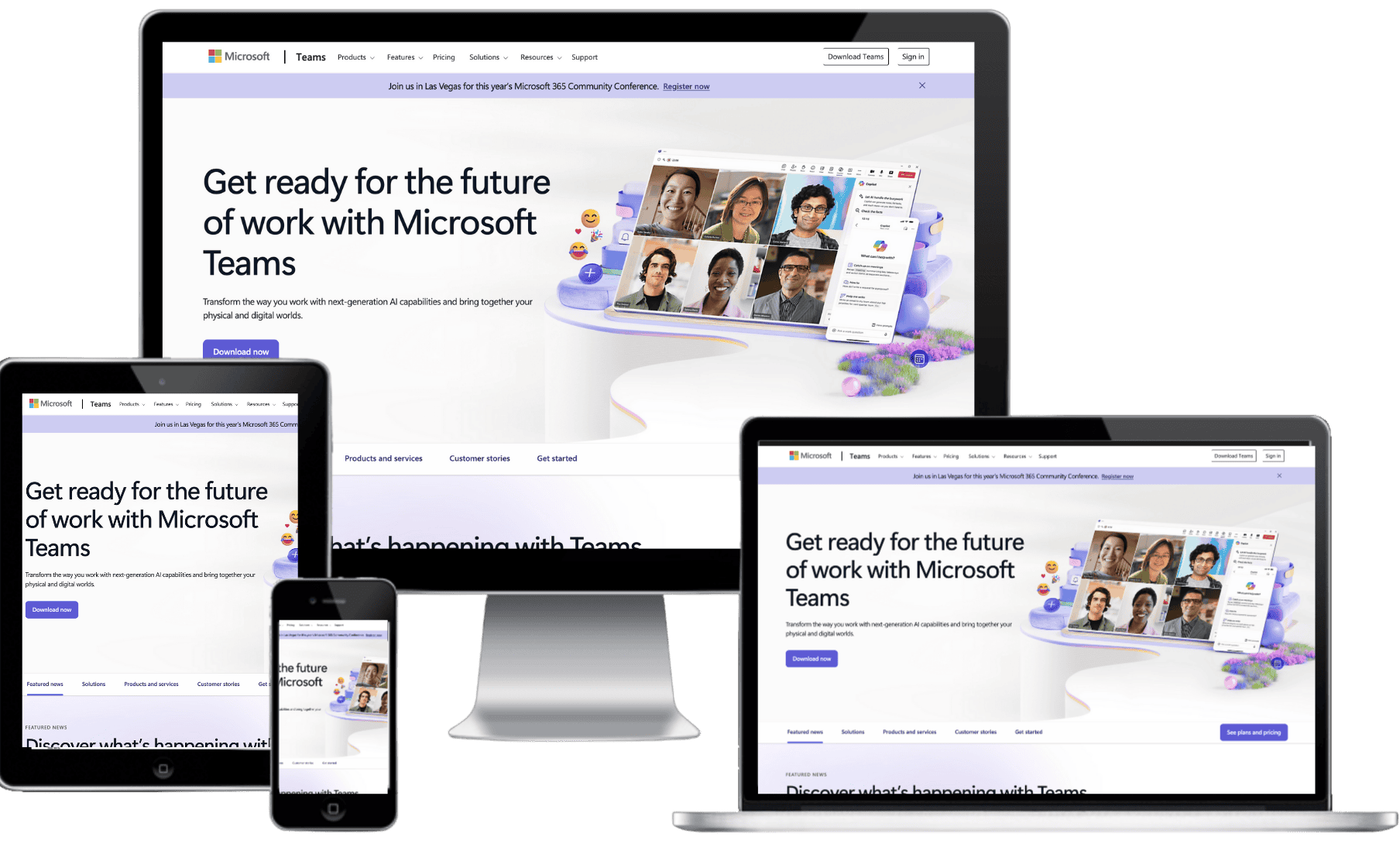
Microsoft
B2B Technology | On-Page + Content
Title tag optimization and content restructuring for product landing pages. Improved search visibility for high-intent B2B queries.

Menards
Ecommerce | Category Page Optimization
On-page optimization for 500+ category and product pages. Header restructuring, meta tag rewrites, and internal link improvements.
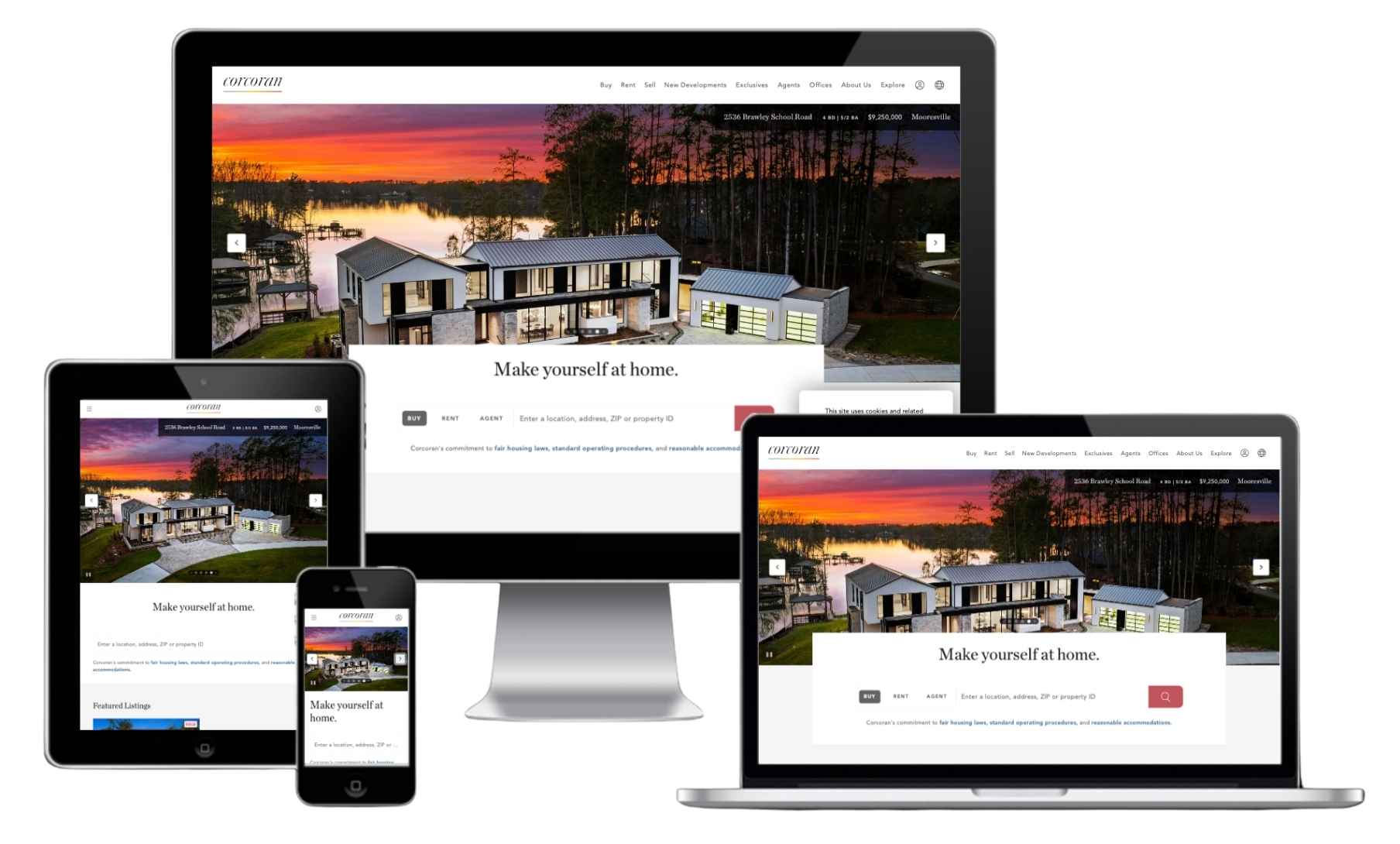
Corcoran Group
Real Estate | Local Landing Pages
On-page optimization for neighborhood and listing pages. Schema implementation and content depth improvements.
What Clients Say About Our On-Page SEO
Real feedback from businesses that improved rankings through Egochi’s on-page optimization services.

Maria Antoinette
Founder, Antoinette Realtors
“Rankings jumped in weeks”Egochi rewrote our title tags and restructured our neighborhood pages. Within 6 weeks, three pages moved from page 2 to the top 5. The click-through rate doubled on pages they optimized. Source: Google Search Console.

Krispen Culbertson
Sr. Partner, Culbertson Law
“Content that actually ranks”Our practice area pages weren’t ranking despite having good content. Egochi’s on-page audit found header structure issues and keyword cannibalization. After fixes, we rank for 40+ more terms. Source: SEMrush position tracking.

Justin Tyme
Owner, Reef Side Tattoo
“Finally on page one”Egochi optimized our service pages with better meta descriptions and added schema markup. We went from invisible to position 3 for ‘Las Vegas tattoo shop’ in about 8 weeks. Bookings increased 40%. Source: GA4 and Google Search Console.
On-Page SEO Tools We Use
Enterprise-grade tools that power Egochi’s on-page audits, keyword research, and content optimization.
Screaming Frog
Technical crawling, title/meta extraction, header analysis, duplicate detection
SEMrush
On-page SEO checker, content templates, keyword difficulty, competitor analysis
Ahrefs
Content gap analysis, keyword research, internal link opportunities
Google Search Console
CTR data, query performance, index coverage, Core Web Vitals
Surfer SEO
Content scoring, NLP term suggestions, competitor content analysis
Clearscope
Content optimization grades, semantic keyword recommendations
Schema Markup Validator
Structured data testing and rich result eligibility verification
PageSpeed Insights
Core Web Vitals measurement and performance recommendations
Egochi’s On-Page SEO Process
A systematic approach to auditing, optimizing, and monitoring on-page elements for sustainable ranking improvements.
1. On-Page Audit
We crawl your entire site to analyze title tags, meta descriptions, headers, content depth, internal links, images, URLs, and schema markup. Every page gets a score and prioritized fix list.
2. Keyword Mapping
Based on keyword research, we assign primary and secondary keywords to each page. This prevents cannibalization and ensures every page targets specific search intents.
3. Content Gap Analysis
We compare your content against top-ranking competitors to identify missing topics, questions, and semantic terms that your pages need to satisfy searcher intent.
4. Optimization Implementation
Our team rewrites title tags, meta descriptions, and headers. We restructure content, add internal links, optimize images, and implement schema markup.
5. Quality Assurance
Every optimization is reviewed for accuracy, proper formatting, and alignment with your brand voice. We verify schema validates and all links function correctly.
6. Monitoring and Iteration
We track ranking changes, CTR improvements, and traffic growth for every optimized page. Underperforming pages get additional attention and refinement.
On-Page SEO Pricing
Transparent pricing based on project scope, number of pages, and ongoing optimization needs.
On-Page SEO Audit provides a complete analysis of your site’s on-page elements with prioritized recommendations. Pricing ranges from $500 to $2,500 depending on site size.
Page Optimization includes title tag, meta description, header, content, and internal link optimization for individual pages. Ranges from $150 to $500 per page depending on content depth required.
Ongoing On-Page SEO as part of monthly SEO services starts at $1,500/month and includes continuous optimization, new page setup, and performance monitoring.
On-Page SEO FAQs
What is on-page SEO vs off-page SEO?
On-page SEO refers to optimizations made directly on your website, including content, title tags, headers, internal links, and images. Off-page SEO involves external factors like backlinks, brand mentions, and social signals. Both are necessary for strong rankings, but on-page optimization gives you direct control over how search engines interpret your content.
How much does on-page SEO cost?
On-page SEO audits range from $500 to $2,500 depending on site size. Individual page optimization costs $150 to $500 per page. Ongoing on-page SEO as part of monthly services starts at $1,500/month. Egochi provides custom quotes based on your specific needs and goals.
What are the most important on-page SEO factors?
The most impactful on-page factors are: 1) Title tags with primary keywords, 2) Content quality and relevance to search intent, 3) Header tag structure (H1-H6), 4) Internal linking architecture, 5) URL structure, and 6) Schema markup for rich results. Egochi’s on-page audit evaluates all of these and prioritizes fixes by potential impact.
How long does on-page SEO take to show results?
On-page changes typically produce ranking movements within 2-8 weeks after Google recrawls the optimized pages. CTR improvements from better title tags and meta descriptions can appear faster. Major content overhauls may take 4-12 weeks to fully impact rankings.
Do I need on-page SEO if I have backlinks?
Yes. Backlinks signal authority, but on-page SEO signals relevance. A page with strong backlinks but poor on-page optimization won’t rank well because Google can’t understand what the page is about or whether it satisfies search intent. On-page SEO is the foundation that makes link building effective.
What is keyword cannibalization and how do you fix it?
Keyword cannibalization occurs when multiple pages on your site target the same keyword, forcing them to compete against each other. This dilutes ranking potential. Egochi fixes cannibalization by consolidating similar pages, differentiating keyword targets, or using canonical tags to indicate the preferred version.
How often should on-page SEO be updated?
Review important pages quarterly. Update content annually at minimum to maintain freshness signals. When rankings drop or competitors publish stronger content, prioritize immediate updates. Egochi’s ongoing SEO services include continuous monitoring and optimization of on-page elements.
What is schema markup and why does it matter?
Schema markup is structured data code that helps search engines understand your content. It enables rich results like FAQ dropdowns, star ratings, product prices, and event details in search results. Pages with schema markup earn higher click-through rates and better visibility. Egochi implements schema for all appropriate page types.
Can on-page SEO help with local rankings?
Yes. Local SEO depends heavily on on-page factors like location-specific title tags, NAP (Name, Address, Phone) consistency, LocalBusiness schema markup, and geo-targeted content. Egochi’s on-page optimization includes all local SEO elements for businesses serving specific geographic areas.
What’s the difference between on-page SEO and technical SEO?
On-page SEO focuses on content and HTML elements that affect rankings (title tags, content, headers). Technical SEO addresses infrastructure that affects crawling and indexing (site speed, mobile usability, XML sitemaps, robots.txt). Both are essential. Technical SEO ensures Google can access your site; on-page SEO ensures Google wants to rank it.
Do you provide an on-page SEO checklist?
Yes. Egochi offers a downloadable on-page SEO checklist covering all the elements we audit and optimize. The checklist includes title tags, meta descriptions, headers, content, images, URLs, internal links, and schema markup with specific best practices for each.
How does on-page SEO affect featured snippets?
Featured snippets pull content from pages with clear answers formatted in ways Google can extract. On-page optimization for snippets includes question-based headers, concise direct answers, list and table formatting, and FAQ schema markup. Egochi’s SERP optimization specifically targets featured snippet opportunities.
Meet Your On-Page SEO Team
Egochi’s certified on-page specialists, content strategists, and technical SEO experts who optimize your pages for maximum visibility.



























































Ready to Improve Your On-Page SEO?
Get a free on-page SEO audit from Egochi’s certified specialists. We’ll analyze your title tags, content, headers, and internal links to show you exactly what’s holding back your rankings and how to fix it.
Questions? Call (888) 644-7795 or email [email protected]

Comments are closed.