Blog

Welcome to Our Blog Focused to Provide an Insight on Latest Digital Marketing Trends

Business owner trying to contact a real human at Google Support for help with their Google Business Profile

How to Contact a Real Human at Google Support (The Email Reply Trick That Actually Works)

If you have ever tried to contact a real human at Google Support, you already know the frustration. You fill out the help form, write a clear explanation of your problem, and hit submit – only to receive a generic automated reply that doesn’t address your issue at all. You respond, hoping to clarify. Another…

Read More →

INP

Interaction to Next Paint (INP): What It Is and How to Fix It

Interaction to Next Paint (INP) measures the responsiveness of a webpage by tracking the latency of all user interactions and reporting the worst interaction (or near-worst for pages with many interactions). A good INP score is 200 milliseconds or less. INP replaced First Input Delay (FID) as a Core Web Vital in March 2024 because…

Read More →

CLS

Cumulative Layout Shift (CLS): What it is and How to Fix it

Cumulative Layout Shift (CLS) measures the visual stability of a webpage by quantifying how much page content unexpectedly moves during loading. A good CLS score is 0.1 or less. CLS is one of Google’s three Core Web Vitals that affect search rankings, alongside Largest Contentful Paint (LCP) and Interaction to Next Paint (INP). CLS is…

Read More →

URL

URL Explained: What Is a URL and How Does It Work?

A website URL (Uniform Resource Locator) is the address that identifies a specific page or resource on the internet, consisting of a protocol, domain name, and optional path that tells browsers exactly where to find and how to access web content. URLs are fundamental to how the web works and play an important role in…

Read More →

serps

What is a SERP – Search Engine Results Page?

A SERP (Search Engine Results Page) is the page displayed by a search engine in response to a user’s query, containing organic results, paid advertisements, and various features like featured snippets, knowledge panels, and local packs. Understanding SERPs is fundamental to search engine optimization (SEO) because your goal is to appear as high as possible…

Read More →

Header tags

What Are Header Tags? Complete SEO Guide

Header tags (H1-H6) are HTML elements used to define headings and subheadings on a web page, creating a hierarchical structure that organizes content for both users and search engines. The H1 tag represents the main page title, while H2-H6 tags create descending levels of subheadings. Proper header tag usage improves readability, accessibility, and SEO by…

Read More →

Title tag

What is a Title Tag? Complete SEO Guide + Examples

A title tag is an HTML element that specifies the title of a web page and appears as the clickable headline in search engine results. Title tags are one of the most important on-page SEO factors because they tell both search engines and users what your page is about. They appear in three key places:…

Read More →

Alt Text

What is Alt Text?

Alt text (alternative text) is a written description of an image that appears in place of the image if it fails to load and is read aloud by screen readers for visually impaired users. Also known as “alt attributes,” “alt descriptions,” or “alt tags,” this HTML attribute serves two critical purposes: making your website accessible…

Read More →

meta description

What is a Meta Description? How to Write One for SEO

A meta description is an HTML attribute that provides a brief summary of a web page’s content. This 150-160 character snippet appears below your page title in search engine results, giving users a preview of what they’ll find if they click. While meta descriptions don’t directly affect rankings, they significantly impact click-through rates, making them…

Read More →

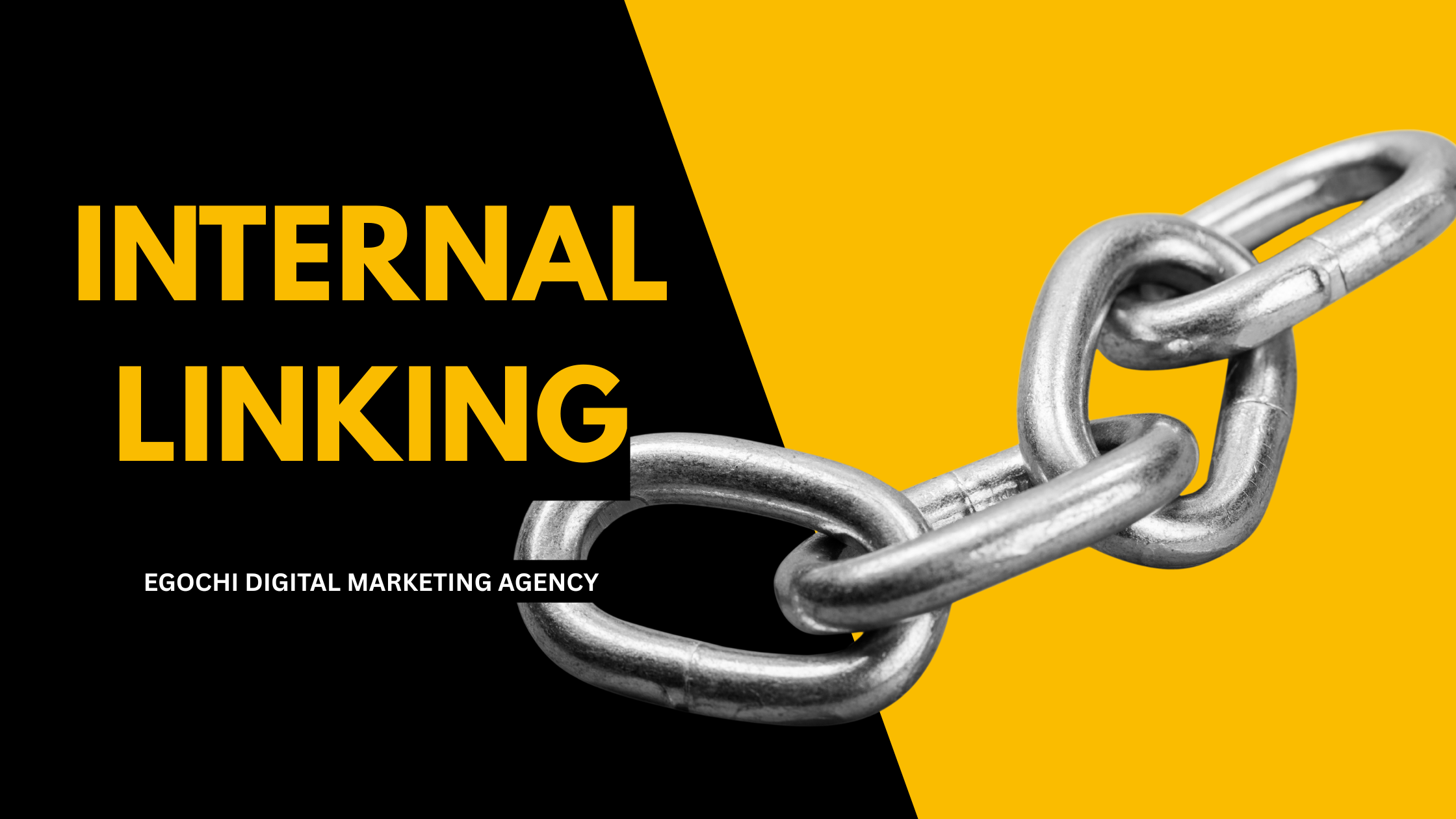
Internal Linking

Internal Linking: What it is and Why it Matters

Internal linking is the practice of creating hyperlinks that connect one page on your website to another page on the same website. These links help users navigate your site, distribute page authority (link equity) throughout your domain, and help search engines understand your site structure and content relationships. Internal linking is one of the most…

Read More →

Back to Top
Top