Automotive SEO
Search engine optimization for car dealerships, auto repair shops, collision centers, parts retailers, and aftermarket brands. We optimize vehicle inventory pages, service menus, local search visibility, and technical foundations to drive organic traffic from high-intent automotive search queries to conversion-optimized landing experiences.
What Is Automotive SEO?
Automotive SEO is the strategic optimization of dealership websites, inventory pages, service department content, and local business profiles to rank higher in search engine results for automotive-related queries. It combines technical SEO foundations (site speed, mobile responsiveness, crawlability), on-page optimization (keyword targeting, schema markup, content quality), and off-page signals (citations, reviews, backlinks) to increase organic visibility for vehicle searches, service appointments, parts purchases, and collision repair estimates.
- Primary objectives: rank SRP (search results pages) and VDP (vehicle detail pages) for make-model-year-trim queries, capture local pack positions for service-related searches, drive organic traffic to inventory and service booking funnels
- Key ranking factors: Vehicle schema implementation, page load speed optimization, NAP (name-address-phone) consistency across directories, Google Business Profile completeness, customer review quantity and quality, mobile-first indexing compatibility
- Measurable outcomes: increased organic impressions and clicks in Google Search Console, higher local pack visibility, more test drive requests from organic search, service appointment bookings, parts catalog traffic, and improved conversion rates on inventory pages
Proven Automotive SEO Performance
Real results from dealerships, repair shops, and automotive businesses we’ve helped dominate local and national search rankings.
Why Automotive Businesses Choose Egochi for SEO
Deep automotive industry expertise combined with advanced technical SEO capabilities and proven local search optimization strategies.
Automotive-specific technical SEO
Expert optimization of dealer website platforms (Dealer.com, DealerOn, DealerFire, CDK Websites), inventory feed management, VDP template optimization, SRP pagination strategies, and dynamic inventory handling for constantly changing stock levels.
Advanced schema implementation
Comprehensive Vehicle schema markup with VIN, make, model, year, trim, mileage, price, and condition data. Plus Offer schema for financing, AutoDealer markup, Product schema for parts, Service schema for maintenance offerings, and LocalBusiness structured data.
Multi-location franchise coordination
Scalable SEO architecture for dealer groups with multiple rooftops including location-specific landing pages, centralized keyword strategies with local customization, GBP management across locations, and review generation campaigns preventing inter-location cannibalization.
Local pack dominance strategies
Google Business Profile optimization for sales, service, parts, and collision departments with category selection, attribute optimization, post scheduling, Q&A management, review response workflows, and photo asset guidelines for maximum local visibility.
Content for buying cycle stages
Strategic content targeting awareness stage (comparison guides, buying guides), consideration stage (trim comparison, feature explanations), and decision stage (inventory pages, financing calculators, test drive booking) with proper internal linking architecture.
Revenue attribution & reporting
GA4 integration tracking organic traffic sources through SRP impressions, VDP views, form submissions, phone calls via DNI, test drive appointments, service bookings, and closed sales with source attribution to prove SEO ROI and guide optimization priorities.
Comprehensive Automotive SEO Services
Full-spectrum optimization covering every aspect of automotive search visibility from technical foundations to content strategy and local dominance.
Technical SEO Foundation
Core Web Vitals optimization targeting sub-2.5s LCP on VDPs, mobile-first indexing compatibility, XML sitemap management for inventory feeds, robots.txt optimization, canonical tag implementation for faceted navigation, structured pagination, JavaScript rendering for inventory platforms, and 404 error management for sold vehicles.
Vehicle Detail Page SEO
VDP template optimization with unique meta descriptions incorporating VIN, make, model, year, trim, and key features. Vehicle schema markup implementation with complete specifications. Image optimization with descriptive alt text. Internal linking from category pages. Speed optimization for fast load times. Trust signals including pricing transparency and financing options.
Search Results Page Optimization
Inventory SRP indexation strategy balancing crawl budget with SEO value. Faceted navigation SEO with parameter handling. Canonical tag architecture for filter combinations. Pagination implementation with rel=prev/next or View All approach. Filter-friendly URLs. Category page optimization for make, model, body style, and price range searches.
Dealership Local SEO
Google Business Profile optimization for each department with accurate categories, complete business information, hours, attributes, and service area definition. Citation building across automotive directories (Cars.com, Edmunds, AutoTrader). NAP consistency monitoring. Location-specific landing pages. Embedded Google Maps with schema markup. Local link building from chambers and community organizations.
Service Department SEO
Service menu page optimization for maintenance queries (oil change, brake repair, tire rotation, alignment, transmission service). Service-specific landing pages with pricing ranges where compliant. FAQ schema for common service questions. How-to content for DIY education building authority. Seasonal service campaigns (winterization, summer prep). Service appointment booking funnel optimization.
Automotive Parts SEO
OEM parts catalog optimization with Product schema. Aftermarket parts category pages targeting part number and fitment searches. Performance parts content marketing. Installation guide creation for authority building. Parts compatibility tables and fitment tools. eCommerce SEO for online parts sales. Cross-selling through related parts recommendations.
Make & Model Pages
Manufacturer-level pages optimized for brand queries with complete model lineup, brand history, and local inventory links. Model pages targeting specific vehicle names with trim comparison tables, feature highlights, available inventory, and reviews. Model year pages for previous generations. Trim level pages for specific configuration searches. Competitive comparison content.
Collision Center SEO
Collision repair service pages optimized for accident-related searches. Insurance DRP partnership content. Paint and body repair expertise demonstration. Before/after photo galleries with proper image SEO. Frame straightening and structural repair content. Hail damage campaign pages. Free estimate form optimization. Review generation for body shop reputation.
Review & Reputation SEO
Review generation workflows for sales, service, and parts departments. Review response templates maintaining brand voice. Star rating schema implementation for SERP enhancements. Google seller ratings qualification through volume thresholds. Negative review mitigation strategies. Third-party review platform optimization (DealerRater, Google, Facebook, Yelp).
Automotive SEO by Business Type
Franchise Dealership SEO
New and certified pre-owned inventory optimization with OEM compliance, co-op advertising integration, make-model page strategies, and multi-location coordination for dealer groups.
Independent Used Car Dealer SEO
Pre-owned inventory visibility with competitive pricing transparency, value proposition messaging, Buy Here Pay Here optimization, and cash car lot local targeting.
Auto Repair Shop SEO
Service menu optimization for independent mechanics, quick lube centers, transmission specialists, brake shops, and mobile repair services with local pack dominance.
Collision Center SEO
Body shop visibility for insurance claims, paint and body repair, hail damage, frame straightening, and free estimate generation through local search optimization.
Auto Parts Retailer SEO
Parts catalog SEO for OEM and aftermarket inventory, product schema implementation, fitment guide optimization, and eCommerce conversion strategies.
Aftermarket Brand SEO
Performance parts manufacturer visibility, accessory brand awareness, dealer locator optimization, installation resources, and enthusiast community content marketing.
Car Rental SEO
Rental location visibility, airport rental optimization, long-term lease program promotion, fleet inventory showcase, and reservation funnel conversion enhancement.
Automotive Service Business SEO
Specialty service optimization for detailing, window tinting, car wash chains, paint protection film, ceramic coating, and vinyl wrap installation businesses.
Automotive SEO Technical Foundation
Critical technical elements that enable automotive websites to be properly crawled, indexed, and ranked by search engines.
Schema Markup Implementation
- Vehicle schema with VIN, make, model, year, trim, mileage, condition, price, fuel type
- Offer schema for MSRP, sale price, lease offers, financing terms
- AutoDealer or AutoRepair organization markup
- Product schema for OEM and aftermarket parts
- FAQ schema for common customer questions
- BreadcrumbList for navigation hierarchy
Site Speed & Core Web Vitals
- Largest Contentful Paint (LCP) under 2.5 seconds
- First Input Delay (FID) under 100 milliseconds
- Cumulative Layout Shift (CLS) under 0.1
- Image optimization with WebP format and lazy loading
- CDN implementation for static assets
- Server response time optimization
Mobile-First Optimization
- Responsive design for all device sizes
- Touch-friendly buttons and CTAs
- Mobile-optimized VDP and SRP templates
- Click-to-call phone number implementation
- Simplified forms for mobile submission
- Accelerated Mobile Pages (AMP) where beneficial
Crawl & Indexation Management
- XML sitemap generation for inventory feeds
- Robots.txt optimization for crawl budget
- Canonical tag implementation for duplicate content
- Noindex directives for non-SEO pages
- JavaScript rendering for dealer platforms
- Out-of-stock vehicle handling with 301 redirects
Automotive SEO Success Stories
Documented results from automotive businesses that achieved significant organic growth through strategic SEO implementation.
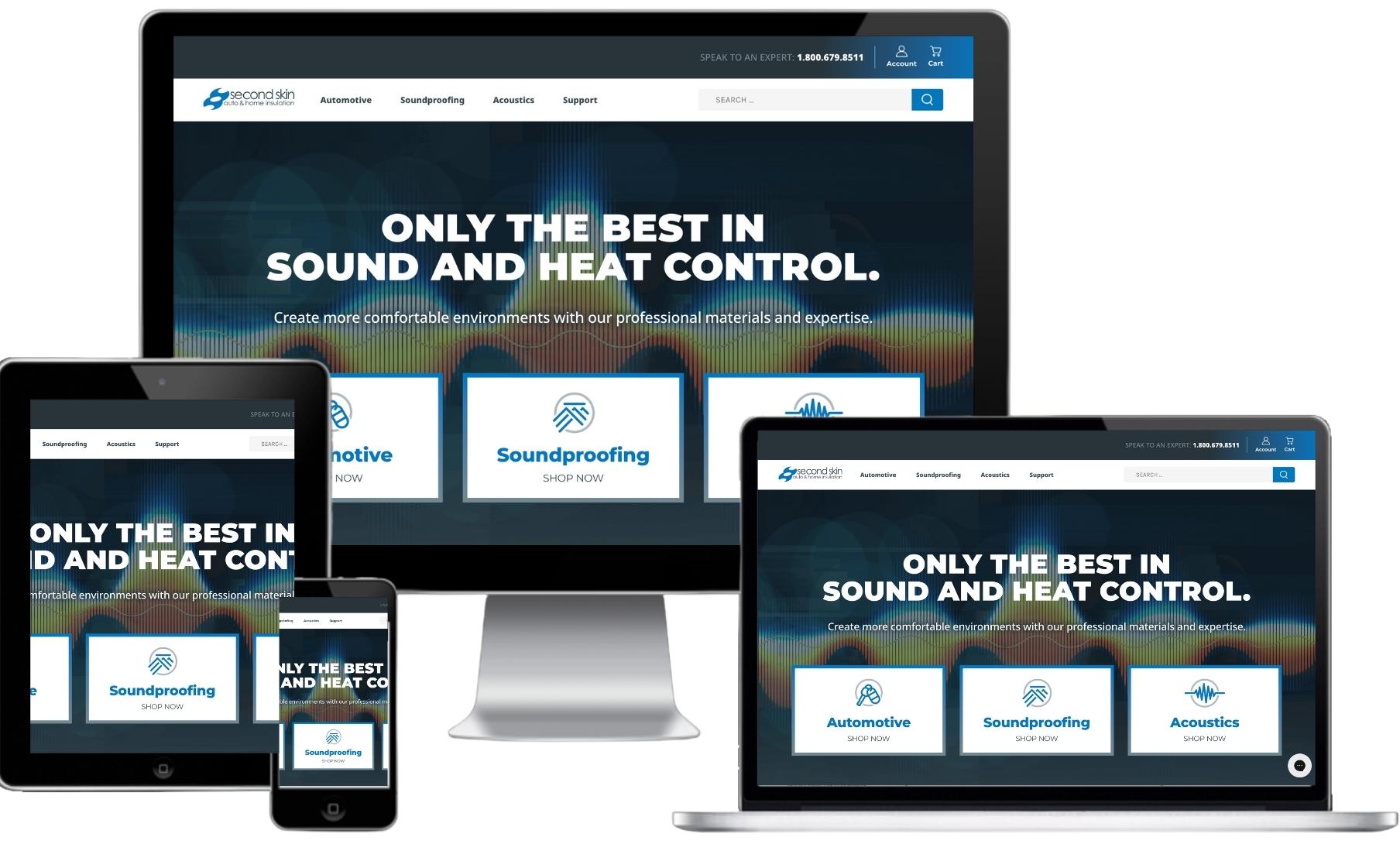
Second Skin Audio
Car audio aftermarket brand specializing in automotive sound deadening materials achieved exceptional organic growth through comprehensive SEO strategy including technical optimization, content marketing, and product schema implementation.
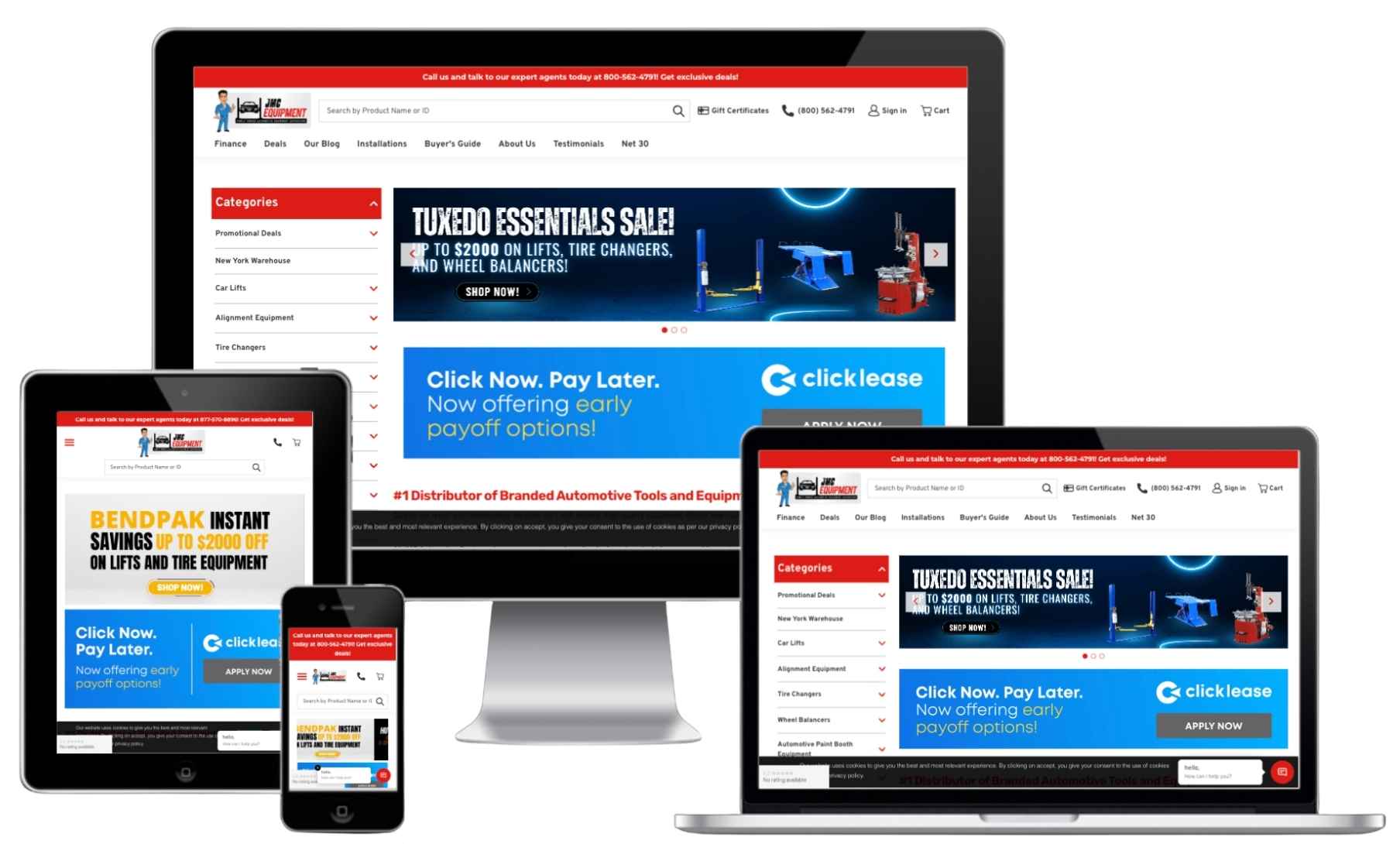
JMC Automotive Equipment
Professional automotive equipment supplier with extensive product catalog achieved significant organic visibility improvements through technical SEO, content optimization, and structured data implementation targeting B2B automotive professionals.
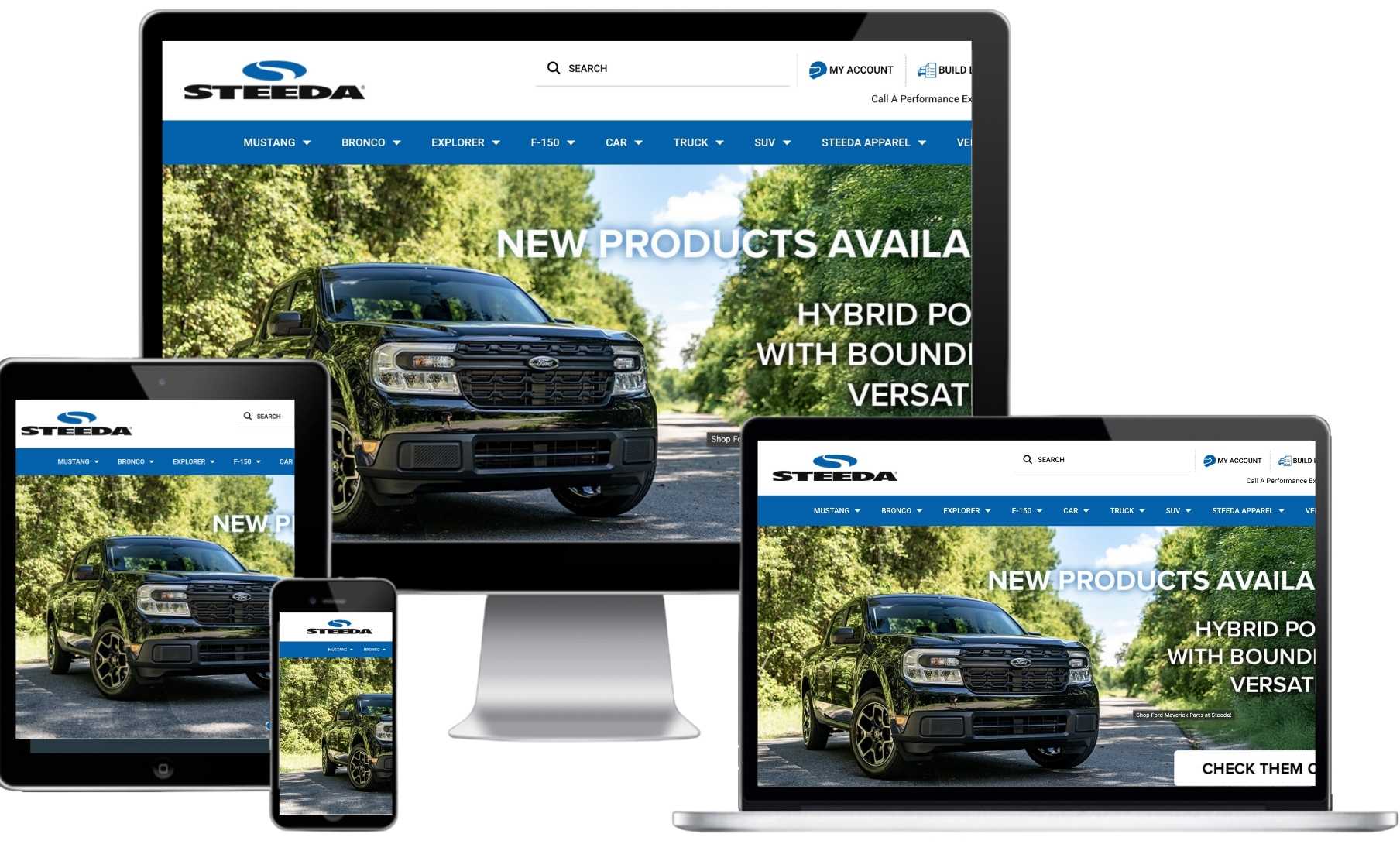
Steeda
Performance automotive parts manufacturer for Ford Mustang and other enthusiast vehicles achieved remarkable organic growth through category optimization, product content enhancement, and technical SEO improvements targeting enthusiast search queries.
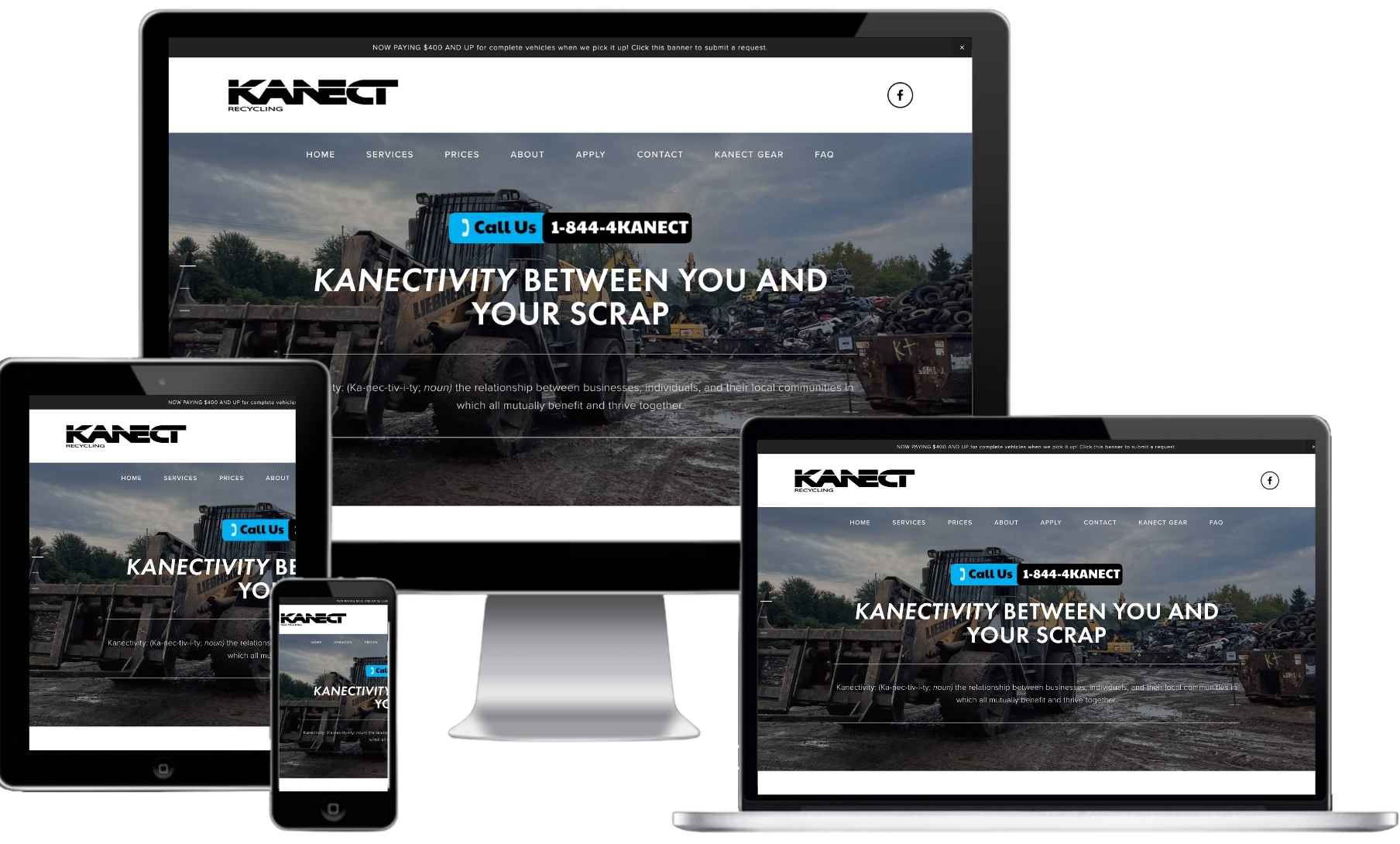
Kanect Recycling
Multi-location automotive recycling and salvage yard operation achieved exceptional local search visibility through coordinated local SEO strategy, GBP optimization for each location, and inventory-focused content targeting used auto parts searches.
Meet Your Automotive SEO Team
Specialists combining automotive industry knowledge with advanced technical SEO expertise, local search optimization capabilities, and proven track records optimizing dealer platforms, inventory systems, and service department websites.




























































Automotive SEO Frequently Asked Questions
How long does it take to see results from automotive SEO?+
Timeline varies by competitive landscape and current website status. Local SEO improvements for service-related queries typically show movement in 4-6 weeks with proper GBP optimization and citation building. Inventory and model pages usually demonstrate measurable organic traffic increases in 3-4 months as technical foundations are corrected and content optimizes. Competitive make-model-trim queries in saturated markets may require 6-9 months of sustained optimization to achieve first-page rankings. Long-term automotive SEO campaigns build cumulative authority resulting in exponential growth after 12+ months.
What is Vehicle schema markup and why does it matter for automotive SEO?+
Vehicle schema is structured data markup that communicates vehicle specifications directly to search engines in a standardized format. It includes critical attributes like VIN, make, model, year, trim level, mileage, condition (new/used/certified), body style, fuel type, drivetrain, engine specifications, and pricing information. Proper Vehicle schema implementation helps search engines understand your inventory better, qualifies pages for rich results in search listings, enables Google Vehicle Ads integration, and improves relevance matching for specific vehicle searches. Combined with Offer schema for pricing and financing details, this structured data significantly enhances visibility in automotive search results.
How do you optimize VDPs (Vehicle Detail Pages) without creating duplicate content issues?+
VDP optimization requires balancing template efficiency with unique content elements. We implement dynamic title tags incorporating VIN, year, make, model, trim, and key differentiators. Meta descriptions highlight specific vehicle features, mileage, price, and location. Vehicle-specific content blocks describe condition, optional equipment, and unique selling points. High-quality photo galleries with descriptive alt text vary by vehicle. Customer review sections add unique social proof. Vehicle history report summaries provide trust signals. Proper canonical tag implementation prevents pagination and parameter variations from creating duplicate content. The key is leveraging structured data for specifications while creating unique descriptive content highlighting what makes each vehicle special.
Should we index all our inventory pages or use selective indexation?+
Indexation strategy depends on inventory size, turnover rate, and crawl budget allocation. Large dealerships with hundreds of vehicles should prioritize high-value inventory (new vehicles, popular models, well-priced used cars) for indexation while potentially noindexing aged inventory or vehicles with minimal search demand. Small to mid-size inventories can generally index all VDPs. Critical considerations include ensuring sold vehicles properly redirect rather than creating 404 errors, implementing structured pagination for SRP pages, using canonical tags appropriately for filter combinations, and maintaining XML sitemaps that update dynamically with inventory changes. The goal is maximizing search visibility for valuable inventory while preserving crawl budget for important pages.
How do you handle SEO for multi-location dealership groups?+
Multi-location SEO requires scalable architecture preventing inter-location cannibalization. Each location needs unique landing pages with distinct content highlighting local market knowledge, community involvement, and specific inventory. Location-specific blog content targets geo-modified keywords. Individual Google Business Profiles for each location with unique photos, posts, and review management. Separate service menus adapted to each location’s capabilities. Internal linking structure clearly delineates location hierarchies. Centralized keyword strategy ensures locations target complementary rather than competing terms. Franchise groups benefit from shared resources (centralized content creation, review templates, technical standards) while maintaining local authenticity preventing duplicate content penalties across rooftops.
What role do customer reviews play in automotive SEO rankings?+
Reviews significantly impact local pack rankings and organic visibility through multiple mechanisms. Review quantity signals business legitimacy and customer volume to search algorithms. Review recency demonstrates ongoing business activity. Review velocity (rate of new reviews) indicates current customer engagement. Star rating directly affects click-through rates from search results. Review content provides fresh, user-generated content with natural keyword usage. Third-party review platforms (Google, DealerRater, Cars.com) create branded backlinks. Reviews improve E-E-A-T signals demonstrating real customer experience. Structured data for AggregateRating schema enables star rating display in search results. Strategic review generation across sales, service, parts, and collision departments creates comprehensive reputation signals supporting overall SEO performance.
How do you optimize service department pages for local search visibility?+
Service department SEO targets high-intent maintenance and repair queries with localized optimization. Individual service pages for oil changes, brake repair, tire services, alignments, transmission work, AC repair, and preventive maintenance target specific service searches. Each page includes service descriptions, benefits, pricing ranges where compliant, and clear booking CTAs. FAQ schema answers common service questions. How-to content educates while building topical authority. Seasonal service campaigns target winter preparation and summer readiness. Location-specific content highlights ASE certifications, factory-trained technicians, genuine parts usage, and warranty information. Google Business Profile optimization includes service attributes, posts about service specials, and Q&A addressing common concerns. The combination of service-specific pages, local optimization, and technical expertise demonstrations drives service lane traffic.
What technical SEO considerations are unique to automotive dealer websites?+
Dealer platforms present unique technical challenges requiring specialized optimization approaches. Inventory feeds updating multiple times daily require efficient crawl budget management and sitemap protocols. JavaScript-heavy dealer platforms (Dealer.com, CDK, DealerOn) need dynamic rendering solutions ensuring content accessibility to search crawlers. Faceted navigation creates exponential URL combinations requiring canonical implementation and parameter handling. High-volume imagery demands aggressive optimization strategies including WebP conversion, lazy loading, and CDN delivery. Out-of-stock vehicle handling needs 301 redirect strategies to related inventory rather than 404 errors. Third-party integrations (chat widgets, vehicle pricing tools, credit applications) must load without blocking critical rendering path. Mobile performance becomes critical as majority of automotive searches occur on smartphones, requiring sub-2-second load times and streamlined mobile experiences.
How do you measure and report on automotive SEO performance?+
Comprehensive automotive SEO reporting connects organic search performance to dealership revenue metrics. Google Search Console tracking monitors impressions, clicks, CTR, and average position for target keywords including make-model queries, service terms, and local searches. GA4 implementation tracks organic traffic sources, landing page performance, user behavior flow from SRP to VDP to conversion actions. Enhanced eCommerce tracking captures test drive requests, finance application starts, service appointment bookings, and parts purchases attributed to organic search. Call tracking with dynamic number insertion measures phone leads from organic listings. GBP Insights show local pack impressions, map views, direction requests, and phone calls. Rank tracking monitors position changes for priority keywords across locations. Attribution modeling connects organic touchpoints through the customer journey to closed sales and service ROs, proving SEO’s contribution to dealership revenue and justifying ongoing investment.
What’s the difference between automotive SEO and general eCommerce SEO?+
Automotive SEO differs fundamentally from general eCommerce in inventory dynamics, purchase journey complexity, and local importance. Vehicles are high-consideration purchases requiring extended research phases across multiple sessions and touchpoints. Inventory turns over constantly with unique items (used cars) rather than replenishable stock. Local proximity heavily influences purchase decisions requiring robust local SEO beyond traditional eCommerce. Service department revenue creates ongoing customer relationships extending beyond single transactions. Schema markup complexity increases with Vehicle, Offer, and AutoDealer specifications beyond basic Product schema. Multi-department operations (sales, service, parts, collision) require separate SEO strategies under unified brand architecture. Regulatory compliance affects content claims and pricing transparency. Long sales cycles mean attribution requires tracking weeks or months of touchpoints. These automotive-specific factors demand specialized SEO expertise beyond general eCommerce optimization capabilities.
Ready to Dominate Automotive Search Rankings?
Get a comprehensive SEO audit covering technical foundations, inventory optimization opportunities, local search gaps, content strategy recommendations, and competitive analysis with transparent ROI projections tied to test drives, service appointments, and parts sales.
Questions? Call (888) 644-7795 or email [email protected]

Comments are closed.