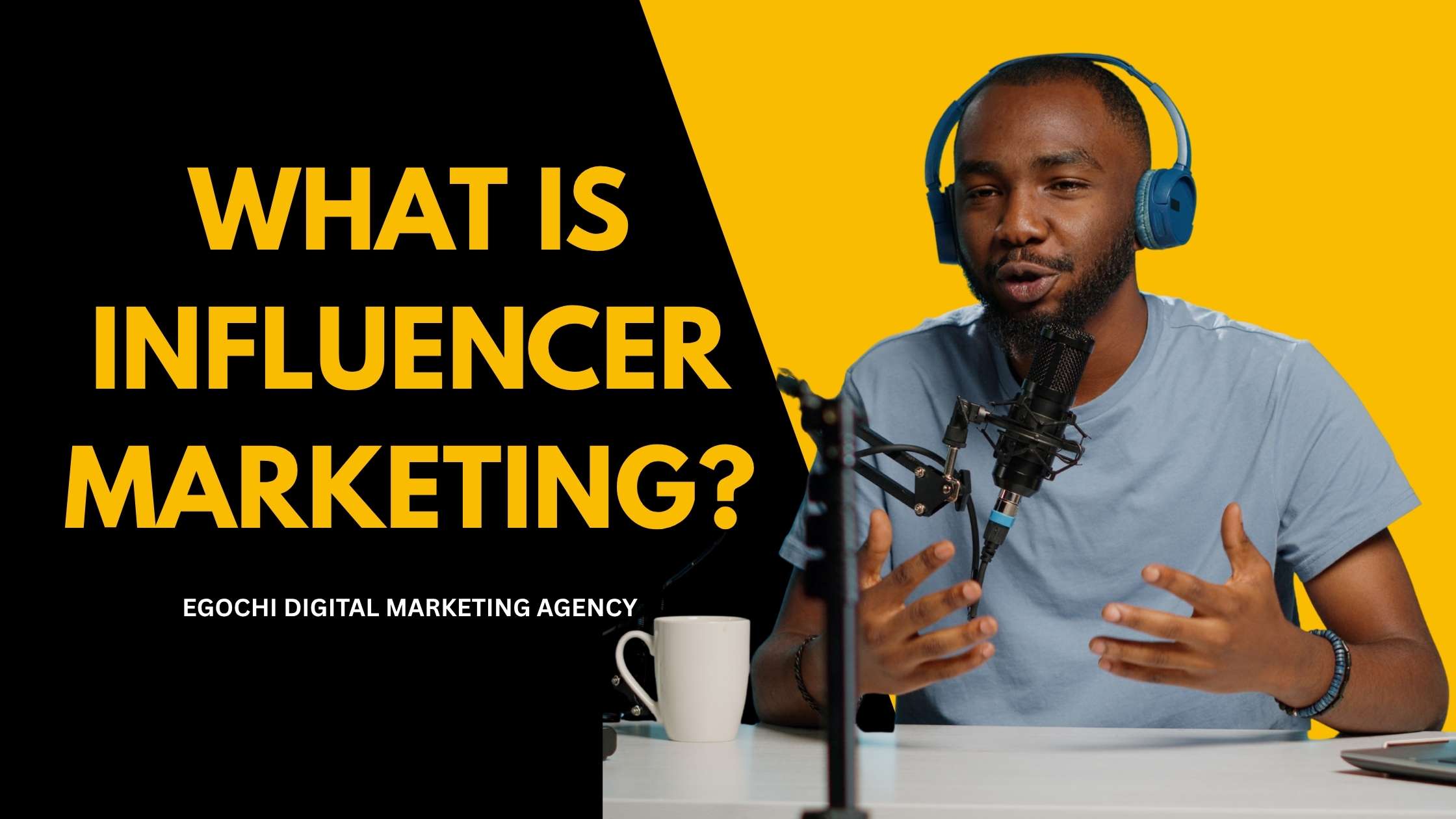
A skincare brand partners with a beauty creator who has 50,000 followers. She posts an honest review of their new moisturizer. Within 48 hours, the product sells out. No TV commercials. No billboard campaigns. Just one person with an engaged audience who trusted her recommendation.
That’s influencer marketing in action. It’s the reason a single TikTok video can launch a product into viral success, why brands pay creators thousands of dollars for Instagram posts, and how small businesses compete with major corporations for consumer attention. In 2026, influencer marketing isn’t an experimental channel. It’s a core component of how products get discovered and purchased.
Egochi, America’s #1 digital marketing agency headquartered in New York City, has managed influencer campaigns across every major platform for clients ranging from local businesses to national brands. From our offices in NYC, Milwaukee, Madison, and Miami, our social media team has built relationships with influencers, negotiated partnerships, and tracked ROI across hundreds of campaigns. We’ve seen what works, what wastes budget, and what turns influencer partnerships into measurable business growth.
This guide explains everything you need to know about influencer marketing: what it is, how it works, the different types of influencers, which platforms matter, how to find the right partners, and how to measure whether your investment is paying off.
Table of Contents
- What Is Influencer Marketing?
- Types of Influencers by Follower Count
- Influencer Marketing Platforms
- Benefits of Influencer Marketing
- Types of Influencer Marketing Campaigns
- How to Find the Right Influencers
- Influencer Marketing Costs and Pricing
- Measuring Influencer Marketing ROI
- Common Influencer Marketing Mistakes
- Influencer Marketing Examples
- Influencer Marketing Campaign Checklist
- When to Work With Influencer Marketing Experts
- Frequently Asked Questions
What Is Influencer Marketing?
Influencer Marketing Defined
Influencer marketing is a form of social media marketing that involves partnering with individuals who have dedicated followings and influence over their audience’s purchasing decisions. Brands collaborate with these content creators to promote products, services, or messages through authentic content that reaches the influencer’s engaged community. Unlike traditional advertising, influencer marketing relies on the trust and relationship between creators and their followers.
The concept isn’t new. Brands have used celebrity endorsements for decades. What changed is the definition of “celebrity.” Social media created a new category of influential people: content creators who built audiences through YouTube videos, Instagram posts, TikTok content, podcasts, and blogs. These creators often have more influence over purchasing decisions than traditional celebrities because their audiences feel genuine connection and trust.
Why Influencer Marketing Works
- Trust transfer: Followers trust influencer recommendations more than brand advertising
- Targeted reach: Influencers have built audiences around specific interests and demographics
- Authentic content: Creator-made content feels natural, not like traditional ads
- Social proof: Seeing someone use a product provides powerful validation
- Algorithm advantage: Organic influencer content often outperforms paid ads
- Two-way engagement: Audiences interact with influencer content through comments and shares
Types of Influencers by Follower Count
Influencers are typically categorized by their audience size. Each tier offers different advantages and trade-offs:
Nano Influencers
Small but highly engaged communities. Often friends, family, and local connections. Affordable partnerships with authentic recommendations.
Avg 8-10% EngagementMicro Influencers
Niche expertise and loyal followings. Balance of reach and engagement. Sweet spot for many brands seeking authentic partnerships.
Avg 4-8% EngagementMacro Influencers
Significant reach with professional content quality. Established creators with brand partnership experience. Higher costs, broader exposure.
Avg 2-4% EngagementMega Influencers
Celebrity-level reach and recognition. Massive exposure potential. Premium pricing with lower relative engagement rates.
Avg 1-2% EngagementStudies consistently show that smaller influencers deliver higher engagement rates and often better ROI. A micro influencer with 25,000 followers in your exact niche might outperform a mega influencer with 2 million general followers. Focus on audience relevance and engagement quality over raw follower counts.
Influencer Marketing Platforms
Different social media platforms serve different purposes in influencer marketing:
IG Instagram
The original influencer platform. Strong for lifestyle, fashion, beauty, food, travel, and fitness content. Multiple formats: posts, Stories, Reels, Lives.
TT TikTok
Short-form video with massive organic reach potential. Younger demographic skewing. Trend-driven content with viral possibilities.
YT YouTube
Long-form content with lasting search visibility. Deep product reviews, tutorials, and educational content. Higher production value expectations.
in LinkedIn
B2B influencer marketing through thought leaders and industry experts. Professional content focused on business value and insights.
X X (Twitter)
Real-time conversations and thought leadership. Strong for tech, news, finance, and sports. Text-focused with growing video presence.
P Pinterest
Visual discovery platform with high purchase intent. Users actively searching for ideas and products. Long content lifespan.
Benefits of Influencer Marketing
When executed properly, influencer partnerships deliver advantages that traditional advertising struggles to match:
1 Built-In Audience Access
Influencers have already done the hard work of building engaged audiences. Partnering with them gives you immediate access to communities that took years to develop, with established trust that your brand hasn’t earned yet.
2 Authentic Content Creation
Influencers create content that resonates with their specific audience. This creator-driven content often performs better than brand-produced assets because it matches the authentic style followers expect.
3 Higher Trust and Credibility
Consumers trust recommendations from people they follow more than brand advertisements. When an influencer genuinely endorses a product, it carries the weight of a friend’s recommendation rather than a sales pitch.
4 Targeted Reach
Influencers attract followers based on specific interests, demographics, and values. A fitness influencer’s audience cares about fitness. A parenting blogger’s audience are parents. This built-in targeting exceeds most ad platforms.
5 Content Repurposing
Influencer content can be repurposed across your own channels, ads, website, and marketing materials (with proper agreements). One partnership produces assets useful across your entire marketing ecosystem.
6 SEO and Social Proof Benefits
Influencer mentions create backlinks, brand searches, and social signals. Reviews on YouTube rank in Google. User-generated content provides social proof that improves conversion rates across all channels.
Types of Influencer Marketing Campaigns
Brands partner with influencers through various campaign structures:
Sponsored Content
Brand pays influencer to create content featuring their product. Can be posts, videos, Stories, or any format. Must include disclosure (#ad, #sponsored).
Product Gifting
Brand sends free products hoping for organic coverage. No payment exchanged. Lower cost but less guaranteed results. Works best with genuine product fans.
Affiliate Partnerships
Influencer earns commission on sales through unique tracking links or codes. Performance-based compensation aligns incentives. Common for e-commerce brands.
Brand Ambassadors
Long-term partnerships where influencer consistently represents the brand over time. Deeper integration and ongoing content creation. Builds stronger association.
Account Takeovers
Influencer temporarily takes over brand’s social account to create content. Brings their audience to your platform. Adds fresh perspective and engagement.
Co-Created Products
Brand develops products in collaboration with influencer. Influencer’s name and input on actual product. Highest level of partnership and investment.
How to Find the Right Influencers
Finding influencers who align with your brand requires research beyond follower counts:
-
Define Your Goals and Audience
Before searching for influencers, clarify what you want to achieve. Brand awareness? Direct sales? Content creation? Then define your target audience demographics, interests, and which platforms they use. Your ideal influencer’s audience should match your ideal customer.
-
Search Within Your Existing Community
Check who already follows and engages with your brand. Look at who’s tagging you, using your hashtags, or mentioning your products organically. These existing fans make the most authentic partners because they genuinely like your brand.
-
Use Influencer Discovery Tools
Platforms like AspireIQ, Upfluence, Grin, CreatorIQ, and Modash help find influencers by niche, location, audience demographics, and engagement metrics. These tools also provide analytics for vetting potential partners.
-
Analyze Engagement Quality
Don’t just look at follower counts. Check engagement rates, comment quality, and audience authenticity. Real engagement means thoughtful comments and genuine interactions, not just emojis or generic responses. Watch for signs of fake followers or bot engagement.
-
Review Content Quality and Brand Fit
Examine their existing content. Does their style match your brand? How do they handle sponsored content? What other brands have they worked with? An influencer who partners with your competitor might not be ideal. Look for authentic alignment.
-
Evaluate Audience Demographics
Request media kits or use analytics tools to verify their audience matches your target market. An influencer might have high engagement, but if their followers are in the wrong country or age range, the partnership won’t work.
Influencer Discovery and Management Tools
AspireIQ
End-to-end platform for discovery, outreach, management, and analytics. Strong for e-commerce brands.
Discovery + ManagementUpfluence
Database of 4M+ influencers with AI-powered search and e-commerce integrations.
Discovery + E-commerceGrin
Creator management platform popular with DTC brands. Strong relationship management features.
Management + RelationshipsCreatorIQ
Enterprise-level platform used by major brands. Advanced analytics and fraud detection.
Enterprise AnalyticsModash
Discovery tool with 200M+ creator database. Strong for finding niche micro influencers.
Discovery + Niche SearchHypeAuditor
Analytics-focused tool for vetting influencer authenticity and detecting fake followers.
Verification + AnalyticsInfluencer Marketing Costs and Pricing
Influencer pricing varies widely based on follower count, engagement rate, platform, content type, and industry. Here are typical ranges:
Nano (1K-10K)
Per Instagram post. Often accept product-only deals.
Micro (10K-100K)
Per Instagram post. YouTube videos higher.
Macro (100K-1M)
Per Instagram post. Professional rates expected.
Mega (1M+)
Per Instagram post. Celebrity-level pricing.
Pricing Factors
| Factor | Impact on Price | Notes |
|---|---|---|
| Platform | YouTube highest, TikTok/IG middle, Twitter lowest | YouTube content requires more production time |
| Content Type | Videos > Reels > Posts > Stories | More effort = higher cost |
| Usage Rights | +25-100% for repurposing rights | Paid advertising usage costs extra |
| Exclusivity | +50-200% for competitor exclusivity | Prevents them from working with competitors |
| Engagement Rate | Higher engagement = higher rates | Quality engagement justifies premium pricing |
| Industry/Niche | Finance, tech, luxury = higher rates | Specialized niches command premiums |
Measuring Influencer Marketing ROI
Tracking influencer campaign performance requires the right metrics and attribution methods:
Engagement Rate
Likes + comments + shares / followers
Cost Per Engagement
What you pay for each interaction
Cost Per Click
Cost for each link click driven
Return on Investment
Revenue generated vs. cost
Attribution Methods
- Unique discount codes: Track sales directly attributed to each influencer
- UTM parameters: Tag links to track traffic and conversions in Google Analytics
- Affiliate links: Platform-tracked links that attribute sales automatically
- Landing pages: Create dedicated pages for influencer campaigns
- Post-purchase surveys: Ask customers how they heard about you
- Brand lift studies: Measure awareness and perception changes
Influencer marketing often impacts the full funnel, not just immediate purchases. Track brand search volume increases, social follower growth, website traffic, email signups, and earned media mentions. A campaign might not drive immediate sales but significantly boost awareness that converts later.
Common Influencer Marketing Mistakes
Avoid these pitfalls that derail influencer campaigns:
Chasing Follower Counts
Prioritizing reach over relevance leads to wasted budget. A smaller influencer with the right audience beats a bigger one with mismatched followers every time.
Over-Scripting Content
Giving influencers too much direction kills authenticity. Their audience follows them for their unique voice. Let them create content their way within reasonable guidelines.
Ignoring FTC Guidelines
Failing to require proper disclosure (#ad, #sponsored) risks legal issues and damages trust. Always ensure compliance with advertising regulations.
One-Off Campaigns Only
Single posts rarely move the needle. Ongoing relationships build stronger brand association and allow audiences to see repeated endorsement over time.
Not Vetting for Fake Followers
Purchased followers and engagement bots are common. Use analytics tools to verify audience authenticity before partnering. Check for suspicious engagement patterns.
Unclear Expectations
Vague agreements lead to disappointed brands and frustrated influencers. Define deliverables, timelines, usage rights, and approval processes in writing.
The Federal Trade Commission requires clear disclosure of material connections between brands and influencers. Key requirements:
- Disclosure must be clear and conspicuous (not hidden in hashtags)
- Use #ad, #sponsored, or “Paid partnership with [brand]”
- Disclosure required even for gifted products
- Platform-specific disclosure tools should be used when available
- Both brands and influencers can be held liable for non-compliance
Influencer Marketing Examples
Example: Beauty Brand Micro Influencer Campaign
A skincare brand partnered with 20 micro influencers (15K-50K followers each) instead of one celebrity. Each influencer created authentic content showing their morning skincare routine featuring the product. Total reach: 600K followers. Total cost: $15,000.
Example: B2B SaaS LinkedIn Thought Leadership
A project management software company partnered with 5 LinkedIn thought leaders in the productivity and remote work space. Each posted a series of insights featuring how they use the tool in their workflow. Content felt educational rather than promotional.
Influencer Marketing Campaign Checklist
- Define clear campaign goals and KPIs before starting
- Create detailed ideal influencer profile (niche, audience demographics, values)
- Research and vet potential influencers for authenticity and brand fit
- Check engagement rates and audience quality, not just follower counts
- Draft clear partnership agreements covering deliverables and usage rights
- Provide brand guidelines while allowing creative freedom
- Set up tracking (UTM links, discount codes, landing pages)
- Ensure FTC disclosure compliance is included in all content
- Review and approve content before publishing (if agreed)
- Monitor campaign performance in real-time
- Engage with influencer content (like, comment, share)
- Measure results against goals and calculate ROI
- Build long-term relationships with top performers
- Repurpose successful content across other channels
People Also Ask About Influencer Marketing
How much does influencer marketing cost?
Influencer marketing costs range from $10-$100 for nano influencers to $10,000+ for mega influencers per post. YouTube videos cost more than Instagram posts. Factors affecting price include follower count, engagement rate, content type, usage rights, and exclusivity. Many micro influencers also accept product-only deals. Average brands spend $1,000-$10,000 per campaign.
Is influencer marketing worth it?
When done correctly, influencer marketing delivers strong ROI. Studies show average returns of $5.20 for every $1 spent, and 89% of marketers say ROI matches or beats other channels. Success depends on finding the right influencers, clear goals, authentic partnerships, and proper tracking. Poorly executed campaigns with mismatched influencers waste budget.
What is a micro influencer?
A micro influencer is a content creator with 10,000 to 100,000 followers. They typically focus on specific niches and maintain higher engagement rates (4-8%) than larger influencers. Micro influencers are popular with brands because they combine meaningful reach with authentic connections and affordable pricing.
How do I find influencers for my brand?
Find influencers by searching within your existing followers, using hashtag research on social platforms, trying influencer discovery tools (AspireIQ, Upfluence, Modash), checking competitor partnerships, and searching industry-specific communities. Prioritize relevance, engagement quality, and audience fit over follower counts.
What platforms are best for influencer marketing?
The best platform depends on your audience and goals. Instagram and TikTok lead for B2C consumer products. YouTube works for detailed reviews and tutorials. LinkedIn suits B2B and professional services. Pinterest performs well for lifestyle and home products. Choose platforms where your target customers spend time.
Do influencers have to disclose paid partnerships?
Yes. The FTC requires clear disclosure of material connections between brands and influencers. This includes paid partnerships, free products, affiliate relationships, and any other compensation. Influencers must use clear language like #ad or #sponsored where audiences can easily see it. Both brands and influencers can face penalties for non-compliance.
When to Work With Influencer Marketing Experts
Managing influencer campaigns requires relationships, negotiation skills, and performance tracking expertise. Consider professional help when:
- You don’t know which influencers align with your brand
- Previous campaigns haven’t delivered expected results
- You lack bandwidth to manage multiple influencer relationships
- You need help negotiating fair rates and contracts
- Attribution and ROI tracking feels overwhelming
- You want to scale influencer marketing but don’t know how
- You’re entering new platforms or markets
Egochi, headquartered in New York City with offices in Milwaukee, Madison, and Miami, delivers social media marketing services including influencer campaign strategy and management. Our team has built relationships with influencers across every major platform and industry. We handle discovery, outreach, negotiation, campaign management, and ROI measurement so you can focus on your business.
Influencer marketing works because trust can’t be manufactured through advertising. When someone you follow recommends a product, it carries weight that no brand message can replicate. That trust, built through consistent content and genuine connection, transfers to the brands influencers choose to partner with.
The brands succeeding with influencer marketing aren’t just buying reach. They’re building authentic partnerships with creators whose audiences match their ideal customers. They’re allowing creative freedom while maintaining brand alignment. They’re measuring what matters and optimizing based on data. And they’re thinking long-term, turning one-off posts into ongoing relationships that compound over time.
Start by defining what success looks like for your brand. Find influencers who genuinely align with your values and audience. Build real relationships, not just transactions. Track results rigorously. And remember that influencer marketing is about trust. Protect it by partnering with creators who protect it too.
Ready to Launch an Influencer Campaign?
Egochi’s social media team builds and manages influencer partnerships that drive measurable business results. Get expert guidance on finding the right influencers and maximizing your ROI.
Get a Free Influencer Strategy ConsultationOr call (888) 644-7795

























Comments are closed.