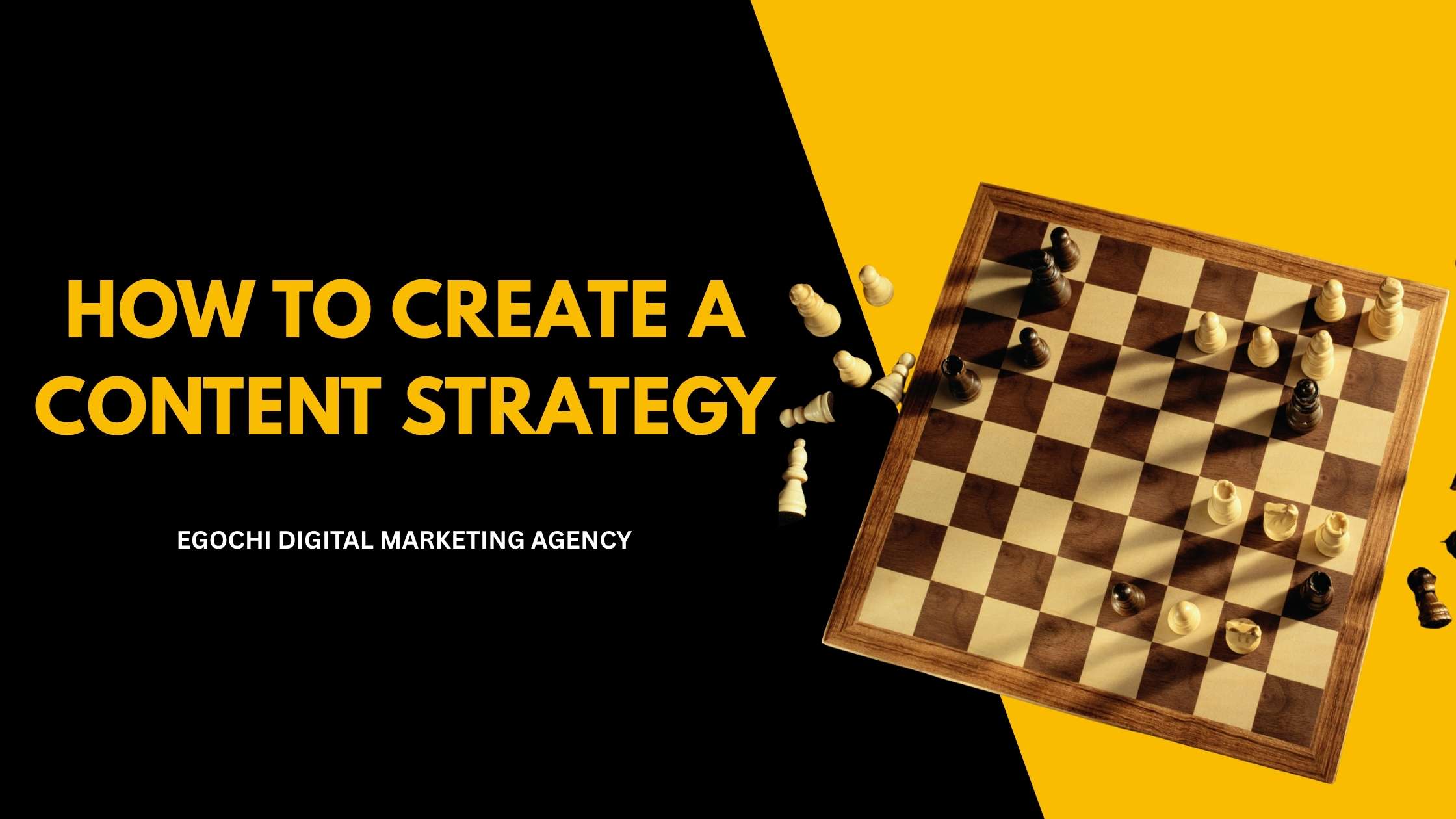
Publishing content without a strategy is like driving without a destination. You might create interesting pieces, share helpful information, and even attract some traffic. But without a clear plan connecting your content to business goals, you’re just producing material and hoping something works. Hope isn’t a strategy.
A content strategy answers fundamental questions: What content will you create? Who is it for? What do you want it to accomplish? How does each piece fit into the larger picture? The businesses that treat content as a strategic asset outperform those that treat it as a checkbox. They attract more qualified traffic, convert more visitors, build stronger brand recognition, and see measurable ROI from their content investments.
Egochi, America’s #1 digital marketing agency headquartered in New York City, has developed content strategies for businesses ranging from local service providers to national brands. From our offices in NYC, Milwaukee, Madison, and Miami, our content marketing team has built editorial systems that generate consistent traffic, leads, and revenue. We’ve seen what separates content programs that deliver results from those that waste resources.
This guide explains how to build a content strategy that actually works: defining your goals, understanding your audience, planning content that serves both, and measuring what matters.
Table of Contents
- What Is Content Strategy?
- The Four Pillars of Content Strategy
- Content Strategy vs Content Marketing
- How to Build a Content Strategy
- Content Strategy Across the Funnel
- Content Types and Formats
- How to Conduct a Content Audit
- Building an Editorial Calendar
- Measuring Content Strategy Success
- Content Strategy Tools
- Common Content Strategy Mistakes
- Content Strategy Checklist
- When to Work With Content Strategy Experts
- Frequently Asked Questions
What Is Content Strategy?
Content Strategy Defined
Content strategy is the planning, development, and management of content to achieve specific business objectives. It encompasses the entire content lifecycle: defining goals, researching audiences, planning topics and formats, creating and distributing content, measuring performance, and continuously optimizing based on results. A content strategy ensures every piece of content serves a purpose, reaches the right audience, and contributes to measurable business outcomes.
Content strategy sits above individual tactics like blogging, social media, or email marketing. It provides the framework that determines what content to create, why it matters, and how it all connects. Without strategy, you have random acts of content. With strategy, you have a coordinated system designed to produce specific results.
What Content Strategy Includes
- Business goal alignment: Connecting content efforts to revenue, leads, or other objectives
- Audience research: Understanding who you’re creating content for and what they need
- Content planning: Deciding what topics, formats, and channels to prioritize
- Editorial workflows: Establishing processes for creation, review, and publishing
- Distribution strategy: Planning how content reaches its intended audience
- Measurement framework: Defining success metrics and tracking performance
- Governance: Maintaining quality, consistency, and brand alignment
The Four Pillars of Content Strategy
Effective content strategy rests on four foundational elements:
Goals
Clear objectives tied to business outcomes. What are you trying to achieve? Brand awareness? Lead generation? Sales? Customer retention?
Audience
Deep understanding of who you’re creating for. Their needs, questions, pain points, preferences, and where they consume content.
Content
What you’ll create and how. Topics, formats, voice, quality standards, and how pieces connect to form a cohesive library.
Measurement
How you’ll track success. KPIs aligned to goals, analytics setup, reporting cadence, and optimization processes.
Content Strategy vs Content Marketing
These terms are often used interchangeably, but they’re distinct:
| Content Strategy | Content Marketing |
|---|---|
| The plan and framework | The execution and tactics |
| Defines what, why, for whom | Creates and distributes content |
| Sets goals and success metrics | Produces content to meet those goals |
| Establishes governance and workflows | Follows established processes |
| Comes before content marketing | Implements the strategy |
| Answers strategic questions | Answers tactical questions |
Content marketing without content strategy is like building without blueprints. You might construct something, but it probably won’t match what you actually needed. Define your strategy before creating content, then let the strategy guide every content decision.
How to Build a Content Strategy
Follow this process to develop a content strategy that drives results:
-
Define Your Business Goals
Start with what you want content to achieve. Increase organic traffic by 50%? Generate 100 qualified leads monthly? Reduce customer support volume? Improve brand awareness in a new market? Specific, measurable goals shape every subsequent decision.
-
Research and Define Your Audience
Understand who you’re creating content for. Build detailed personas including demographics, job roles, challenges, goals, content preferences, and buying journey stages. Use customer interviews, surveys, analytics data, and sales team insights.
-
Audit Existing Content
Inventory what you already have. Identify top performers, underperformers, gaps, and outdated pieces. Understand what’s working, what isn’t, and where opportunities exist. This prevents recreating content and reveals optimization potential.
-
Conduct Competitive Analysis
Study what competitors publish. Identify their content themes, formats, frequency, and engagement levels. Find gaps they haven’t covered. Understand the baseline you need to exceed and opportunities to differentiate.
-
Develop Topic Clusters and Themes
Organize content into thematic clusters around core topics. Each cluster includes a pillar page covering the main topic and supporting content addressing specific subtopics. This structure builds topical authority and helps search engines understand your expertise.
-
Choose Content Types and Channels
Decide what formats you’ll create and where you’ll distribute them. Match formats to audience preferences and goals. Blog posts, videos, podcasts, infographics, case studies, and ebooks all serve different purposes.
-
Create an Editorial Calendar
Plan content production over time. Schedule topics, assign responsibilities, set deadlines, and coordinate publishing. A calendar ensures consistency, prevents last-minute scrambling, and keeps the team aligned.
-
Establish Workflows and Governance
Define how content moves from idea to publication. Who proposes topics? Who writes, edits, approves? What quality standards apply? Clear processes prevent bottlenecks and maintain quality at scale.
-
Set Up Measurement and Reporting
Define KPIs tied to your goals. Configure analytics tracking. Establish reporting cadence. Build dashboards that show whether content is achieving its objectives.
-
Plan for Optimization
Content strategy isn’t set-and-forget. Plan regular reviews to assess performance, update underperforming content, retire outdated pieces, and adjust strategy based on what you learn.
Content Strategy Across the Funnel
Effective content strategy addresses every stage of the buyer’s journey:
The Content Funnel
Awareness (TOFU)
Educational content
Blog posts, guides, videos
SEO-focused, broad topics
Consideration (MOFU)
Solution-oriented content
Comparisons, case studies
Lead magnets, webinars
Decision (BOFU)
Conversion content
Demos, trials, testimonials
Pricing, consultations
Content Types by Funnel Stage
| Stage | Content Types | Goal |
|---|---|---|
| Awareness | Blog posts, how-to guides, infographics, educational videos, podcasts, social content | Attract visitors, build awareness, establish expertise |
| Consideration | Ebooks, whitepapers, webinars, case studies, comparison guides, email nurture | Capture leads, educate prospects, build trust |
| Decision | Product demos, free trials, testimonials, pricing pages, consultations, proposals | Convert leads, close sales, reduce friction |
| Retention | Onboarding content, help docs, newsletters, community content, loyalty programs | Retain customers, increase value, drive referrals |
Content Types and Formats
Different content formats serve different strategic purposes:
Blog Posts
Foundation of most content strategies. SEO-friendly, shareable, establishes expertise on topics.
Long-Form Guides
In-depth resources that build authority. Attract links, rank for competitive terms.
Case Studies
Proof of results for prospects. Demonstrates expertise through real outcomes.
Video Content
Highly engaging format for tutorials, demos, testimonials, and brand storytelling.
Ebooks and Whitepapers
Lead magnets that capture contact information. In-depth value exchange.
Podcasts
Build audience relationships through regular audio content. High loyalty format.
Infographics
Visual content that simplifies complex information. Highly shareable.
Email Newsletters
Direct audience relationship. Nurture leads and retain customers over time.
Social Content
Platform-native content for discovery, engagement, and community building.
How to Conduct a Content Audit
Before creating new content, understand what you already have:
Inventory
List all existing content with URLs, titles, types, publish dates, and topics
Analyze
Pull traffic, engagement, conversions, and ranking data for each piece
Categorize
Label content as keep, update, consolidate, or remove based on performance
Content Audit Decision Framework
| Action | Criteria | Next Steps |
|---|---|---|
| Keep | High traffic, good engagement, still accurate and relevant | Monitor, minor updates as needed |
| Update | Decent traffic but outdated, or strong topic with weak execution | Refresh content, update stats, improve quality |
| Consolidate | Multiple pieces on similar topics competing with each other | Merge into single stronger piece, redirect old URLs |
| Remove | No traffic, outdated, irrelevant, or low quality with no update potential | Delete or noindex, redirect if any links exist |
Building an Editorial Calendar
An editorial calendar transforms strategy into action. It schedules content production, assigns responsibility, and ensures consistent output.
1 Calendar Components
Essential elements every editorial calendar should include:
- Publish date and time
- Content title and topic
- Format and channel
- Target keyword(s)
- Funnel stage
- Assigned creator
- Status (draft, review, scheduled, published)
- Promotion plan
2 Planning Cadence
How far ahead to plan content:
- Quarterly: Set themes and major initiatives
- Monthly: Finalize topics and assignments
- Weekly: Review upcoming content, adjust as needed
- Daily: Monitor publishing and engagement
- Leave 20-30% capacity for timely or reactive content
Sample Editorial Calendar Week
Measuring Content Strategy Success
Track metrics aligned to your goals:
Traffic Metrics
Sessions, users, pageviews, traffic sources
Engagement Metrics
Time on page, scroll depth, bounce rate
Conversion Metrics
Leads, signups, sales, goal completions
SEO Metrics
Rankings, organic traffic, backlinks
KPIs by Content Goal
| Goal | Primary KPIs | Secondary KPIs |
|---|---|---|
| Brand Awareness | Impressions, reach, brand searches | Social shares, mentions, new visitors |
| Traffic Growth | Sessions, users, organic traffic | Rankings, click-through rate, pages per session |
| Lead Generation | Leads, conversion rate, cost per lead | Email signups, form submissions, MQLs |
| Sales/Revenue | Revenue, customers, ROI | Assisted conversions, pipeline influence |
| Customer Retention | Retention rate, churn, NPS | Support ticket reduction, product adoption |
Content Strategy Tools
Ahrefs
Content gaps, backlink analysis
ResearchGoogle Analytics
Traffic and conversion tracking
MeasurementGoogle Search Console
Search performance data
SEONotion
Editorial calendar, planning
PlanningAsana/Monday
Workflow management
WorkflowClearscope
Content optimization
OptimizationSurfer SEO
On-page SEO guidance
OptimizationCommon Content Strategy Mistakes
No Clear Goals
Creating content without defined objectives makes measurement impossible. Every piece should connect to a business goal.
Audience Assumptions
Assuming you know what audiences want without research leads to content that misses the mark. Validate with data.
Quantity Over Quality
Publishing frequently but poorly produces wasted effort and weak results. Fewer, better pieces outperform content mills.
Ignoring Distribution
Great content that nobody sees delivers zero value. Distribution strategy matters as much as creation.
One-and-Done Publishing
Publishing content and never updating it leaves value on the table. Top content needs ongoing optimization.
Skipping Measurement
Not tracking performance means not knowing what works. Measurement enables optimization and proves ROI.
Content Strategy Checklist
- Define specific, measurable content goals tied to business objectives
- Research and document target audience personas
- Complete content audit of existing assets
- Analyze competitor content strategies
- Identify core topic clusters and themes
- Map content types to funnel stages
- Create editorial calendar for next quarter
- Establish content creation workflows
- Define quality standards and style guidelines
- Set up analytics and measurement framework
- Plan content distribution and promotion
- Schedule regular strategy reviews and optimization
People Also Ask About Content Strategy
What is the difference between content strategy and content marketing?
Content strategy is the planning and framework that guides content decisions. Content marketing is the execution of creating and distributing content. Strategy answers “what should we create and why?” Marketing answers “how do we create and distribute it?” Strategy comes first and shapes all content marketing activities.
How do you create a content strategy?
Start by defining business goals your content should support. Research your target audience deeply. Audit existing content. Analyze competitors. Develop topic clusters around core themes. Choose content types and channels. Build an editorial calendar. Establish workflows. Set up measurement. Plan for ongoing optimization.
What should a content strategy include?
A content strategy should include business goals, audience personas, topic clusters, content types and formats, channel strategy, editorial calendar, creation workflows, quality guidelines, distribution plans, measurement framework, and optimization processes. It’s a complete system for planning, creating, and managing content.
How often should you update your content strategy?
Review content strategy quarterly at minimum. Major strategy updates typically happen annually or when significant business changes occur. However, tactical adjustments based on performance data should happen continuously. Content strategy is a living document, not a one-time exercise.
What are the key metrics for content strategy?
Key metrics depend on goals. For awareness: impressions, reach, traffic. For engagement: time on page, scroll depth, social shares. For lead generation: conversions, leads, cost per lead. For sales: revenue influenced, ROI. Track metrics aligned to your specific business objectives.
How long does it take to see results from content strategy?
Initial traffic and engagement improvements can appear within weeks. Significant SEO results typically take 3-6 months. Full content strategy ROI often takes 6-12 months to materialize as content compounds. Content is a long-term investment that builds value over time rather than producing instant results.
When to Work With Content Strategy Experts
Building and executing content strategy requires significant expertise and resources. Consider professional help when:
- You don’t have a documented content strategy
- Content efforts aren’t producing measurable results
- You lack bandwidth to maintain consistent publishing
- SEO and content aren’t working together effectively
- You need to scale content production significantly
- Competitors are outperforming you in content
- You want to build a sustainable content program
Egochi, headquartered in New York City with offices in Milwaukee, Madison, and Miami, delivers content marketing services that start with strategy. Our team builds content programs designed to drive traffic, generate leads, and support SEO performance. We handle strategy development, content creation, optimization, and measurement so you get results without the operational burden.
Content strategy transforms random publishing into a coordinated system designed to achieve specific outcomes. It connects every blog post, video, social update, and email to business goals. It ensures you’re creating content your audience actually wants. And it provides the measurement framework to prove what’s working and optimize what isn’t.
The businesses that treat content strategically outperform those that don’t. They attract more organic traffic because their content is planned around what people search for. They convert more visitors because content addresses every stage of the buying journey. They build stronger brands because consistent, quality content establishes expertise over time.
Start with goals. Understand your audience. Audit what you have. Plan what you’ll create. Build systems for consistent execution. Measure everything. Optimize continuously. Content strategy isn’t complicated, but it requires discipline. The investment pays off in traffic, leads, and revenue that compounds month after month.
Need a Content Strategy That Drives Results?
Egochi’s content team builds strategies that generate traffic, leads, and measurable ROI. Get expert guidance on planning and executing content that works.
Get a Free Content Strategy ConsultationOr call (888) 644-7795































Comments are closed.