Paid Media
Google Advertising Services That Turn Ad Spend Into Revenue
Search, Shopping, Performance Max, Display, and YouTube campaigns, run by a Google Premier Partner team and judged on what every click returns.
Get Your Free Google Ads Audit Call (888) 644-7795
- Google Premier Partner certified team
- Flat fee, never a percent of spend
- You own your ad accounts, always
As Featured In





Google advertising services are the planning, building, and daily management of paid campaigns across Google's ecosystem: Search, Shopping, Performance Max, Display, YouTube, and remarketing, bought through the Google Ads platform longtime advertisers still call Google AdWords. Egochi runs Google Ads for businesses whose customers search before they buy, from single-location trades to national brands, as the Google side of our PPC management services. The team holds Google Premier Partner status, the fee is flat by spend tier rather than a percent of your budget, and every campaign is wired to conversion tracking before it spends a dollar, so what you pay Google can always be traced to what came back. The next step costs nothing: a free audit of your current account, or a written plan for a new one, naming the campaign types your market honestly justifies.
How much does Google Ads management cost?
Google Ads management at Egochi starts at $1,500 monthly as a flat fee set by your ad spend tier, separate from the budget you pay Google directly. There are no setup fees and no percent-of-spend math, so a bigger budget never raises our invoice by itself. The free audit ends with a fixed quote, so the full fee is known before you commit.
Egochi has run Google Ads campaigns since 2014 from offices in New York, Miami, Milwaukee, and Madison, with 250+ Google reviews and 190+ Clutch reviews at a 5.0 rating behind the work. Google certifies the team as a Google Premier Partner, and the pages that follow read the way our reporting does: what each campaign type is for, what a click honestly costs, where Google's own automation helps and where it quietly spends against you, and what we refuse to count as a result.
Google Ads Campaign Types We Manage
Six surfaces inside one auction. Egochi manages all of them, and the audit decides which ones your catalog, margins, and market honestly justify.
-
Google Search Ads
Text ads at the top of results when someone types your service or product, the highest-intent advertising money can buy. Egochi builds tightly themed ad groups and responsive search ads so the ad, the keyword, and the page all say the same thing, which is what Quality Score pays for.
-
Google Shopping Ads
Product listings with image, price, and merchant name, served in results and the Shopping tab. We keep feeds clean, sculpt queries away from junk traffic, and set bid tiers by margin, so the catalog spends where the profit is.
-
Performance Max
One AI-driven campaign across Search, Display, YouTube, Gmail, Discover, and Maps. Egochi runs it with guardrails: brand exclusions, asset testing, and enough conversion data for the machine to learn from, because unguarded PMax mostly rediscovers your brand traffic.
-
Google Display Ads
Banner placements across the millions of sites and apps in the Google Display Network. We use Display mainly for retargeting and for staying visible through long research cycles, priced honestly as reminders, not as cold-sale machinery.
-
YouTube Video Ads
Skippable, non-skippable, and Shorts placements on the platform where buyers go to watch before they choose. We build YouTube ads for products that need showing, and as some of the cheapest retargeting inventory Google sells.
-
Remarketing and Demand Gen
Return campaigns for visitors who did not convert the first time, including product-level ads showing exactly what they viewed, plus Demand Gen placements across YouTube, Discover, and Gmail for audiences shaped like your buyers.
The Right Campaign Type Depends on How Your Customers Buy
Every campaign type above can be bought, and most accounts we audit are running at least one that should not exist. Here is the sorting we use before a dollar moves, including when the honest answer is not Google at all.
-
Search Fits Demand That Already Exists
Search converts people who typed the problem, which means it can only harvest demand, never create it. If nobody searches for what you sell yet, no keyword list will fix that, and the demand-creation work belongs with our social media advertising services until people start asking Google for you.
-
Shopping Fits a Catalog With Margins You Know
Shopping needs a product feed, and it rewards sellers who bid by margin instead of by revenue. If your best-selling item is also your thinnest margin, an unmanaged feed will happily spend your budget proving it.
-
Performance Max Earns Its Place After Data Exists
PMax learns from conversions, so launching it on a fresh account with no conversion history gives the machine nothing to learn from. We run Search first, feed the account real conversion data, then let PMax expand on what is proven.
-
Display Buys Reminders, Not Cold Sales
Display clicks are cheap because their intent is low. As retargeting and as presence through a long research cycle it pays; as a cold traffic source for a considered purchase it mostly buys accidental thumb taps. We price it as the former and say so.
-
YouTube Fits Products That Need Showing
Demonstrations, before-and-after work, software walkthroughs, anything a text ad cannot do justice. If your buyer would not benefit from seeing the thing, YouTube budget usually works harder as Search budget.
-
Local Services Ads Fit Licensed Trades
LSAs charge per lead, sit above everything else, and rank on reviews, response speed, and background checks rather than bids. Many trades run LSAs for the cheap leads and Search for every term LSAs cannot reach. The review and profile signals underneath LSA rank are work owned by our local SEO services.
What Google's Automation Does Well and Where It Spends Against You
Google now automates bidding, matching, placements, and even ad assembly, and the automation is genuinely good at some of it. The honest version of this page tells you which parts, because the defaults are tuned to spend your budget, not to protect it.
-
Smart Bidding Is Good When It Is Fed
Target CPA and target ROAS bidding outperform manual bids in accounts with steady conversion volume, because the machine sees auction signals no human can. Starve it of data, or feed it junk conversions like page views, and it confidently spends toward the wrong goal. Bid strategy here is chosen by data maturity, not by fashion.
-
Performance Max Will Take Credit for Your Brand
Left unguarded, PMax serves heavily on searches for your own name, then reports those cheap, already-won clicks as campaign wins. We add brand exclusions and keep branded search in its own campaign, so the machine gets judged on the demand it actually found.
-
Auto-Apply Recommendations Serve Google First
The recommendations tab and its auto-apply setting broaden match types, raise budgets, and add keywords on their own. Some suggestions are useful; applied automatically, they reliably grow spend faster than results. Egochi keeps auto-apply off and answers every recommendation by hand, in writing, in your account history.
-
Broad Match Defaults Spend the Widest
New campaigns lean toward broad match, which buys reach where exact match and phrase match buy precision, and, unmanaged, buys nonsense. Weekly search-term reviews and negative keyword lists are where most wasted Google Ads budget is prevented, which is why they are calendar items here, not favors.
All of it, human and machine alike, is only as honest as the conversion data feeding it. The GA4 events, call tracking, and imported conversions underneath a trustworthy account are their own build, owned by our Google Analytics services.
Four Auction Factors Set What a Google Ads Click Costs
Your management fee is one line of the math. The bigger line is what Google charges per click, and the auction sets it from four factors, two of which you can move. Legal clicks in major metros regularly run $100 or more (Google Ads benchmarks), while quiet local trades pay a fraction of that for a buyer with identical intent.
-
Quality Score Is the Discount You Control
Google rates each keyword 1 to 10 on expected click-through rate, ad relevance, and landing page experience. Higher scores raise your Ad Rank and buy better positions at a lower cost per click (CPC), which makes relevance work the only discount in the auction that compounds.
-
Competition Sets the Ceiling
More advertisers bidding a term raises its price, which is why legal, insurance, and home-services clicks cost what they do. Keyword selection is partly a budget decision: the second-most-obvious term is often the profitable one.
-
Geography Moves the Price
Metro clicks cost more than small-market clicks for the same service. Tight location targeting, bid adjustments by area, and excluding places you cannot serve keep the budget inside the map where your trucks, staff, or shipping actually go.
-
The Top Slot Is Not Always the Buy
Position one costs the most, and positions two through four often return better math: meaningfully cheaper clicks, most of the traffic. We bid to the position the conversion data supports, not to the ego slot.
Half of Quality Score lives on your website, not in the ad account, which is why landing page work here runs through our conversion rate optimization services instead of being left as a recommendation in a report.
Our Google Ads Management Process, Built on VERTEX Reach™
Every Google Ads engagement runs inside VERTEX Reach™, the 15-step paid media framework behind every Egochi campaign, through its stages of Map, Build, Launch, Refine, Scale. The five moves below are those stages carrying a Google Ads program; the full step-by-step wheel lives on our PPC management page.
-
Map
The Account Audit and Revenue Math
Existing accounts get a full teardown: structure, search terms, Quality Scores, tracking truth, and where spend leaks. New accounts get the market read instead. Either way, your revenue goal works backward into a budget before anything is built.
-
Build
Campaign Architecture and Ad Copy
Branded, non-branded, and competitor traffic separated, ad groups themed tightly enough that keyword, ad, and landing page agree, negative lists installed from day one, ad assets (the former ad extensions) set per group, and ads written to earn qualified clicks rather than all clicks.
-
Launch
Tracking Proven Before Spend Starts
Conversion actions, call tracking, and GA4 tested end to end, then campaigns go live on conservative bids that buy data first. A campaign that cannot be measured cannot be judged, so we never launch one.
-
Refine
Search Terms, Bids, and Tests on a Calendar
Weekly search-term reviews turn junk into negatives and winners into budget. Ads run in tested pairs, bids move by device, location, hour, and audience, and every Google recommendation gets a written yes or no.
-
Scale
Budget Moves to What Converts
Proven campaigns get more money on evidence, new surfaces open when the cost per lead holds, and the monthly report reads in spend, conversions, cost per result, impression share, and revenue where tracking allows. Never in impressions alone.
VERTEX Reach™ is the paid media discipline inside the EGOCHI VERTEX™ Growth System, the operating system behind every Egochi engagement, whichever platform carries the budget.
People also ask about Google advertising
-
Is Google Ads worth it for small businesses?
Yes, when the targeting is honest about your service area and budget. A small firm can appear above national chains for local searches, because the auction rewards relevance, not company size. The risk is wasted clicks on loose match types, which is exactly what management exists to prevent. Below a realistic budget floor for your market, our audit will say so plainly.
-
What is a good ROAS for Google Ads?
It depends on your margins, not on industry averages. Ecommerce stores commonly target 4:1 to 8:1 return on ad spend, while service businesses with strong margins can profit at 2:1 or 3:1. We set the target backward from your numbers: what a sale is worth, what a lead closes at, and what that makes a click worth paying for.
-
How long does Google Ads take to work?
Traffic starts within hours of launch, which is the honest appeal of paid search. Judgment takes longer: two to four weeks of data before serious tuning, a fair performance read by month one, and a settled cost per lead around month three as bid strategies finish learning. Anyone promising profitable campaigns in week one is describing luck.
-
Should I run Google Ads myself or hire an agency?
Run it yourself when the account is one simple campaign with a small budget and you have the hours to watch it. Past a few thousand dollars in monthly spend, management typically pays for itself in prevented waste. One fair test either way: whoever runs the account should be able to walk you through last month’s search-term report without flinching.
Is Google Ads Management Right for You?
Who this is for
- Your customers search before they buy and you need leads now, this month, while slower channels compound behind the ads.
- You sell products with a feed and want Shopping and Performance Max run by margin instead of by whatever the defaults decide.
- You already run Google Ads and suspect the budget leaks: rising cost per lead, mystery spend, a recommendations tab nobody answers.
- You already convert well and want to scale spend with the tracking to prove each new dollar earned its place.
When this may not be the right fit
- No landing page or conversion tracking yet. Paying Google for clicks you cannot convert or measure burns budget; we fix that plumbing first, then launch.
- Nobody searches for your product yet. Search harvests demand, and creating it is advertising of a different kind; we will point you to the right program instead of taking the fee.
- Your budget sits under the realistic click floor for your market. In categories where one click costs more than a lunch, a few hundred dollars monthly buys data for nobody, and the audit will say so.
Fair Questions Before You Buy Google Ads Management
Should I bid on my own brand name?
Sometimes, and the test is cheap: search your name and see who is above you. If competitors are bidding on it, defending the term costs pennies against their poaching. If nobody is, branded spend mostly repackages clicks you would have received free, and reports them as wins. We check the auction before spending there, and we keep branded results in their own campaign so they never inflate the numbers that matter.
A Google rep keeps calling me with recommendations. Should I follow them?
Listen politely and commit to nothing on the call. Google account reps work from playbooks aimed at spend growth, and their suggestions, broader match, bigger budgets, more automation, reliably raise your invoice faster than your results. Some of them are still genuinely useful. The filter is asking what conversion evidence supports the change; a rep cannot see your margins, and the answer decides itself once the math is on the table.
Is Performance Max going to replace every other campaign type?
Google is clearly consolidating toward it, and in mature accounts PMax earns real results. It is not there yet as a replacement: you give up search-term visibility, keyword control, and the ability to see where much of the budget went, which is a serious trade in accounts still learning what converts. We run PMax where the data supports it and keep Search where control still pays for itself.
Do I still need ads if I already rank well organically?
Not always, and this answer costs us money to give. If you hold the top organic spot and no competitor ads sit above you, adding branded ads mostly moves free clicks to paid. But rankings do not cover the Shopping surface, competitor terms, or the searches where ads push organic results below the fold. The honest move is a small test with clean tracking, then keeping only what adds sales you were not already getting.
The Client Engagements Behind This Page
Every number below is register-fed and covers its engagement whole. The metrics are deliberately the paid kind where the work was paid: qualified calls, signed cases, conversion rates, cost per lead, bookings, and revenue, with the organic figures in their supporting role.
-

Culbertson Law
Family Law | Google Ads
A law firm buying some of the most expensive clicks Google sells. Tightly themed family law campaigns, negative keyword discipline, and call tracking tied every ad dollar to signed cases instead of raw call counts.
- +91% Qualified Calls
- 8 → 41 monthly Signed Cases
- 52 → 148 Tracked Calls
-

Grown Brilliance
Luxury Jewelry Ecommerce
A lab-grown diamond retailer facing national jewelry advertisers in the Shopping auction. Feed work and search campaigns ran beside the organic program, with spend judged against revenue per style, never clicks.
- $200M Annual Revenue
- 160K+ Organic Visits
- +80% Conversions
-

NY Endodontics Studio
Specialty Dental | NYC
A specialty practice paying NYC medical click prices for emergency and referral searches. Tightly matched ad groups and landing pages built per treatment cut what each new patient inquiry cost.
- -32% Cost per Lead
- +110% Organic Sessions
- +132% GBP Discovery Views
-
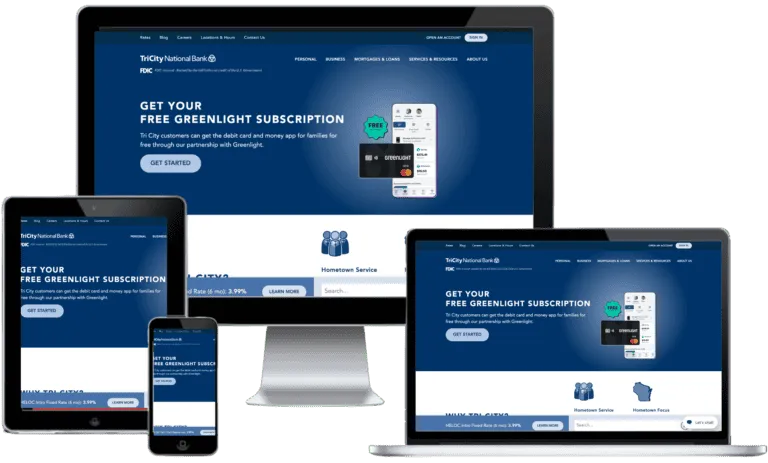
TriCity National Bank
Community Bank | Wisconsin
A community bank pairing paid search with branch-market visibility. Landing pages per product line and conversion tracking on applications lifted paid conversion rates while email and organic supported the same funnel.
- +77% PPC Conversion Rate
- +90% Organic Traffic
- +80% Email Engagement
-
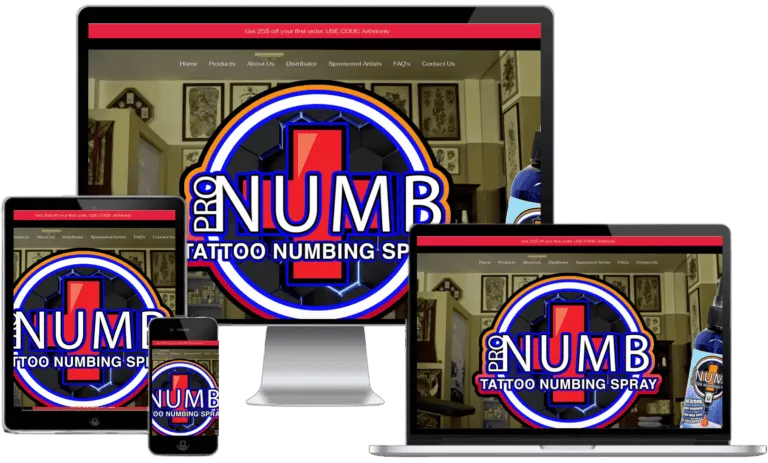
Pro Numb
Global Ecommerce | Shopify Plus
A Shopify Plus brand in a contested niche where Shopping and search campaigns worked beside the organic program. Feeds kept clean, queries sculpted by margin, the whole engine measured on monthly revenue.
- $2M+ Monthly Revenue
- +340% Organic Traffic
- 47 Featured Snippets
-

Antoinette Realtors
Real Estate | Manhattan, NY
A boutique brokerage whose ad spend was reaching browsers instead of buyers. The campaigns got rebuilt around buyer keywords, and the same search-term data fed the neighborhood pages, one funnel instead of two.
- +45% PPC Click-Through Rate
- 6 → 28 monthly Organic Leads
- +60% Local Visibility
-

Reef Side Tattoo
Tattoo Studio | Brooklyn, NY
A Brooklyn studio competing against hundreds of shops for the same customers. Paid campaigns caught people searching ready to book while the rebuilt profile compounded underneath, and the shop hired two more artists to keep up.
- 18 → 56 Weekly Bookings
- +211% Booking Growth
- +96% Direction Requests
The full write-ups live in the case library, sliced so you can read the engagements closest to yours: PPC case studies.
Meet Your Google Ads Team
The paid media specialists who build and run the campaigns, led by Kierra Pita, with the web and analytics people who make every click traceable to its result.
-

Jobin John
Chief Executive Officer
-

Justin Brown
Head of Search Engine Optimization
-

Bryan Thomson
Head of Web Design & Development
-

Ina Komins
Head of Social Media Marketing
-

Kierra Pita
Head of Advertising & Content Marketing
-

Patricia Turner
Chief Creative Officer
-

William Carter
Chief Digital Strategy Officer
-

Andrew Miller
Senior SEO Strategist
-

Amy Robinson
Content Marketing Manager
-

Betty Harrison
PPC Campaign Specialist
-

Anthony Carter
Lead Digital Account Executive
-

Amanda Cooper
Social Media Director
-

Carol Parker
Senior Client Success Manager
-

Barbara Bennett
Email Marketing Lead
-

Charles Turner
Technical SEO Analyst
-

Brian Sullivan
Creative Director
-

Christine Walker
Director of Project Management
-

Christopher Brooks
Digital Marketing Strategist
-

Daniel Wright
Senior Analytics Specialist
-

David Henderson
Lead Content Strategist
-

Donna Mitchell
Client Communications Manager
-

Elizabeth Foster
Director of Paid Advertising
-

Emily Baredi
Brand Experience Specialist
-

Emma Scott
Social Media Content Creator
-

George Crawford
Technical Solutions Architect
-

Jacob Evans
Digital Content Coordinator
-

James Anderson
Marketing Automation Specialist
-

Jason Palmer
Junior Copywriter
-

Jeffrey Reynolds
Paid Media Analyst
-

Jennifer Lewis
Community Engagement Specialist
-

Jonathan Murphy
SEO Reporting Specialist
-

Joseph Morgan
Influencer Marketing Coordinator
-

Kenneth Stevens
Digital PR Manager
-

Kimberly Harper
Digital Marketing Intern
-

Kevin Morris
SEO Outreach Specialist
-

Lee Dawson
Junior Web Developer
-

Linda Peterson
Email Campaign Coordinator
-

Lisa Thompson
Social Media Ads Specialist
-

Margaret Bradley
Marketing Operations Lead
-

Mark Richards
Data & Insights Analyst
-

Mary Kennedy
Senior Copyeditor
-

Matthew Clark
Growth Marketing Manager
-

Michelle Sanders
Junior Marketing Designer
-

Michael Foster
Senior Conversion Rate Specialist
-

Nancy Wheeler
Digital Analytics Manager
-

Nicholas Pierce
Affiliate Marketing Specialist
-

Nicole Adams
Outreach Program Coordinator
-

Paul Franklin
Paid Social Campaign Manager
-

Richard Barnes
Reputation Management Specialist
-

Robert Murphy
Lead Solutions Architect
-

Ronald Davis
Marketing Technology Analyst
-

Ryan Bell
Paid Media Buyer
-

Sandra Gregory
Digital Account Coordinator
-

Scott Hopkins
CRM Implementation Specialist
-

Shirley Ellis
Customer Insights Manager
-

Stephanie Cross
Brand Content Designer
-

Steven Greene
Web Analytics Specialist
-

Susan Price
Affiliate Campaign Manager
-

Thomas Fisher
Lead Technical Architect
-

Timothy Nash
Mobile Marketing Strategist
Google Advertising FAQs
What is included in Google Ads management?
Keyword research and competitor analysis, campaign structure, ad copywriting, bid management, negative keyword work, audience and location tuning, conversion tracking setup, and monthly plain-number reporting, across Search, Shopping, Performance Max, Display, and YouTube. Your ad spend goes straight to Google; the management fee is separate and flat, so the two never mix.
Do you manage advertising beyond Google Ads?
Yes. Google is the deepest platform in our paid media practice, and most clients pair it with one more: Microsoft Advertising for the searchers Google does not reach, Meta or LinkedIn where the audience fits, and newer surfaces through our ChatGPT ads management as that inventory matures. Platforms get recommended by where your buyers decide, never by what pads the invoice.
Do I keep ownership of my Google Ads account?
Always. Campaigns run in an account you own; we work through manager access and never hold your account inside ours. If the engagement ends, the campaigns, conversion history, and audience lists stay with you. Ask this question of any agency you interview, because the wrong answer costs years of performance history on the way out.
Can you fix my existing account instead of starting over?
Usually yes, and usually that is the better move. Account history carries Quality Score and conversion data a fresh account has to re-earn, so we rebuild inside what exists wherever the structure allows it. The audit says which parts keep, which get restructured, and which are genuinely cheaper to rebuild than to repair, with the reasoning written down.
What ad budget do I need to start?
Enough to buy meaningful data in your market, which differs wildly: a local trade can learn plenty on a modest budget, while legal and insurance categories price single clicks like dinners. We size the number backward from your revenue goal and close rate rather than quoting a universal minimum, and if the honest floor is above your budget, the audit says so instead of taking the fee.
Do you write the ads and build the landing pages?
Yes to both. Search ads get headlines matched to the query and tested in pairs, with losers retired on a schedule. Display and YouTube creative comes from our content team or yours. Landing pages are built or repaired by our web team, because message match between the ad and the page is half of Quality Score and most of conversion.
What does your reporting look like?
Monthly plain numbers: spend, clicks, conversions, cost per conversion, and revenue or return on ad spend where tracking allows, plus the specific changes made and the reasoning behind them. A live dashboard shows the same figures any day of the month, and any report you cannot read without a glossary is hiding something.
What should I look for when hiring a Google Ads agency?
Four checks. The campaigns run in an account you own, with the history yours if you leave. The fee is flat, never a percent of spend, so a bigger budget cannot raise the invoice by itself. Auto-apply recommendations stay off, with every change answered in writing. And ask for a redacted search-term report from a live account; how they explain wasted spend tells you everything.
How do I get started?
Send the proposal form below or call. Existing advertisers get a free audit of the account: where spend leaks, what the tracking really counts, and what we would change first. New advertisers get a written plan naming campaign types, honest budget math, and the flat fee. If the truthful answer is that Google Ads is not your next dollar, the proposal opens by saying so.
How do I choose a Google Ads agency?
Ask who owns the ad account; it must be you, or your history leaves with the agency. Ask how much of your budget goes to media versus fees, in numbers. Ask what they would pause in your account first, because a real answer proves they looked. Ask how conversion tracking gets verified before spend scales. And ask for month-to-month terms; confidence does not need a twelve-month lock.
Ready for Google Ads Spend You Can Trace to Revenue?
Send the form and you get one of two things back. Existing advertisers get a free audit naming where the account leaks, what the tracking really counts, and what we would change first. New advertisers get a written plan naming campaign types, honest budget math, and the flat fee. If the truthful answer is that Google Ads is not your next dollar, the proposal opens by saying so.
Questions? Call (888) 644-7795 or email [email protected]
Egochi Stats
- $200M+ Client Revenue Generated
- 500+ Clients Served
- 250+ Google Reviews
- 190+ Clutch Reviews
- 12+ Years in Business
- 60+ Team Members
- 150+ Websites Delivered
- Premier Google Partner
Blog Posts
- Sep 27, 2026 Google September 2026 Spam Update Rolls Out Worldwide
- Aug 12, 2026 GEO vs. SEO: A Comparative Guide for Digital Marketers
- Aug 12, 2026 What is llms.txt? | How to Create llms.txt file for your website
- Aug 12, 2026 What is Semantic SEO? | How to Build Topical Authority That Ranks
- Aug 12, 2026 What is Schema Markup? | How to Add Structured Data to Your Website