Multi-Location Digital Marketing Agency
Egochi is a digital marketing agency for multi-location companies: medical and dental groups, law firms with offices in several cities, retail chains, and home-services brands with branches. One owner, many locations, one budget. The two default approaches both lose: treating the company as a single monolith starves every branch of local visibility, and running each location as a standalone business splits authority and sets your own branches against each other in search. Egochi runs strategy at both levels at once. Every location earns its own local presence in search while the brand compounds authority centrally, budget follows market opportunity instead of habit, and one report shows each location's pipeline beside the company roll-up. Egochi runs four offices of its own, so the mechanics here are lived, not theoretical. Plans start at $1,500 monthly. Start with a free multi-location audit.
Get Your Free Multi-Location Audit See What's Included
- 250+ Google Reviews
- 190+ Clutch Reviews at 5.0
- Google Premier Partner
As Featured In





What Multi-Location Marketing Gets Wrong by Default
Four patterns Egochi sees in nearly every multi-location audit, and what replaces them.
Neither a monolith nor N separate businesses
Marketing the company as one entity leaves every branch invisible in its own city. Running each location as its own campaign duplicates spend, splits domain authority, and puts your branches in competition with each other for the same searches. Egochi holds both levels at once: brand-wide authority, branch-level presence, each feeding the other.
Budget follows opportunity, not habit
Most multi-location budgets are split evenly across branches, or frozen at whatever last year’s split was. Markets are not even. A branch in a growing metro with weak competitors deserves more than an equal share, and a saturated market may need a different channel entirely. Egochi re-checks the allocation against market data on a set cadence.
One view shows each pipeline and the roll-up
Location managers need their own numbers and leadership needs the company picture, and most reporting delivers one or the other. Egochi builds reporting that shows each branch’s leads, calls, and cost per acquisition beside the roll-up in a single view, so a struggling location is a visible line item instead of noise inside a healthy average.
We operate four offices ourselves
Egochi runs its own locations in New York, Miami, Milwaukee, and Madison, each with its own Google Business Profile, location page, and local pipeline feeding one company view. The multi-location playbook we sell is the one we run on ourselves, including the mistakes we already made so you do not repeat them.
What's Inside a Multi-Location Marketing Plan
Six services Egochi runs at both levels: brand-wide authority and a real local presence per branch.
-
Brand-Level SEO Architecture
Egochi structures one domain so every location page inherits the brand’s authority and none of them collide: distinct targets per branch, clear geographic signals, no self-cannibalization.
-
Local SEO Per Location
Egochi manages a Google Business Profile per branch with consistent name, address, and phone details, plus citations, review cadence, and the local signals that decide map rankings in each market.
-
Market-Weighted PPC
Egochi runs geo-fenced paid search per location so branches never bid against each other, with budget allocated by each market’s performance and size and revisited monthly.
-
Social and Reputation
Egochi keeps location pages carrying branch-real content instead of duplicated corporate posts, and covers review response across every profile so no location goes silent.
-
Location Pages That Convert
Egochi builds a page per branch with genuinely local content, exact hours, per-location schema, and booking or call paths that route to the right office.
-
Two-Level Reporting
Egochi reports each location’s pipeline and cost per lead beside the company roll-up, so both the branch manager and the owner see their numbers without translation.
How Multi-Location Brands Earn Visibility in AI Search
Customers now ask AI assistants for the nearest location, today's hours, and whether a brand serves their city at all, and the assistant answers from whichever brand's location data it can actually resolve. Egochi structures per-location entity, NAP, hours, and review data at scale so Google AI Overviews, ChatGPT, Gemini, and Perplexity identify every branch, and keeps brand-level and location-level signals telling one consistent story.
Google AI OverviewsChatGPTGeminiPerplexity
-
Location data the assistants can resolve
When someone asks ChatGPT or Gemini for the nearest branch and whether it is open, the answer comes from structured location data, profiles, and citations. Egochi maintains per-location schema, exact name, address, and phone details, and current hours across the footprint so an assistant resolves the right branch instead of skipping the brand.
-
Brand and branch signals that agree
AI engines cross-check what your site, your Google Business Profiles, and directories say about each location, and inconsistency reads as unreliability. Egochi keeps one identity per branch and one identity for the brand, so a system weighing your data finds the same facts everywhere it looks.
-
Reviews the answer engines weigh
Perplexity and Google AI Overviews lean on review volume and recency when a user asks which nearby business to trust. Egochi runs the per-location review cadence that keeps every branch presentable at the moment an assistant compares it against the office down the street.
-
One program carries Google and AI together
The structured location pages, clean entities, and fresh reviews that earn AI citations are the same assets that move the Map Pack and organic rankings, so Egochi reports Google visibility and AI visibility as one program with one set of numbers.
How We Serve Different Location Models
Corporate-owned, franchised, and hybrid networks govern their marketing differently, and Egochi builds the program to respect who controls what.
-
Corporate-owned networks
One team controls everything, so Egochi centers the work on scale mechanics: location page architecture, listings accuracy across every unit, and rollout discipline that keeps a hundred pages from becoming one template stamped a hundred times.
-
Franchised networks
Control is split between system and operator. Egochi builds programs that hold brand consistency at the top while giving each location genuinely local pages, reviews, and campaigns, with reporting split the same way the accountability is.
-
Hybrid and dealer networks
Some units owned, some affiliated, some independent under a shared brand. The program maps who owns each profile, page, and budget first, because most multi-location marketing failures are governance failures wearing an SEO costume.
How a Multi-Location Engagement Runs
-
Footprint audit
Egochi maps every branch: where it ranks in its own city, which locations collide in search, how spend distributes today, and which markets hold untapped demand. Findings come back as a location-by-location scorecard, not a summary paragraph.
-
Architecture decisions
One domain or several, which branches share campaigns, where the budget baseline sits. We settle the structural questions first, with the reasoning written down, because every later fix is cheap compared to rebuilding architecture.
-
Branch-level build-out
Location pages, Google Business Profiles, geo-fenced campaigns, and review cadence go live market by market, starting where the audit found the largest gap between demand and visibility.
-
Budget rebalance cadence
Each month Egochi puts every branch number on the table and moves spend toward the markets earning it. Allocation is a standing decision revisited with data, never a setting left over from last year.
-
Two-level review
Leadership gets the roll-up, each location manager gets their branch numbers, and Egochi walks through both. Underperformers become action items with owners and dates instead of lines nobody reads.
Fair Questions Multi-Location Owners Ask
Our corporate team already runs marketing. Why add an agency?
In-house teams usually hold the brand level well and drown at the branch level, because dozens of profiles, pages, and review streams are an operations problem, not a creative one. The useful split is corporate owning brand and message while a partner runs the per-location machinery. Egochi, an agency that operates its own branch network, runs exactly that split, with one shared report so nothing falls between the two.
Is per-location marketing worth it, or can a strong brand carry every branch?
Brand strength decides which company people trust; local visibility decides which company they find. A searcher in one city sees results for that city, and a branch missing from them loses to a weaker competitor who shows up. The brand carries reputation across markets. It cannot carry a branch into a map pack it has no presence in.
What results are realistic, and on what timeline?
Paid campaigns and profile fixes show movement inside the first month or two. Organic rankings per branch build over one to three quarters depending on market competition. What Egochi will not promise is a uniform lift: markets differ, and the honest version of this program moves at different speeds in different cities and says so in the report.
Why do cheap multi-location packages fall short?
Low flat-fee-per-location pricing only works when the vendor automates everything: one templated page per branch, one syndicated post for every feed, no market-level judgment. That output is exactly what search engines filter and audiences skip. Real per-branch work costs more per location, and it is the only version that produces per-branch results.
Common Mistakes to Avoid
-
Copying one location page template across the footprint with only the city name changed, so no branch page ranks anywhere.
-
Letting each branch hire its own vendor, which splits data, message, and accountability into pieces nobody reconciles.
-
Freezing the budget split at whatever last year looked like while markets grow, shrink, and change competitors around it.
-
Judging the whole program on a blended company number instead of asking what each branch got for its share.
-
Opening a new location with no page, profile, or campaign plan, then wondering why the market takes a year to notice.
Multi-Location Marketing Case Studies
Egochi publishes these receipts from clients that run chains, branch networks, and multi-store footprints. Every number restates the client's published case study, and the multi-location engagements lead the row.
-
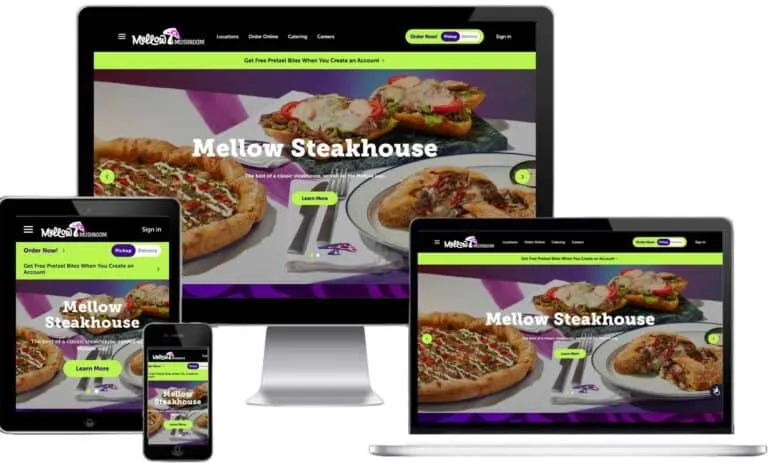
Mellow Mushroom
Restaurant Chain | Local SEO & PPC
A pizza chain whose locations needed to win their own neighborhoods without fighting each other. Egochi ran the local search and paid program that put stores in the local pack and turned nearby searches into online orders.
- +312% Local Traffic Growth
- +245% Online Orders Increase
- Top 3 Local Pack Position
-
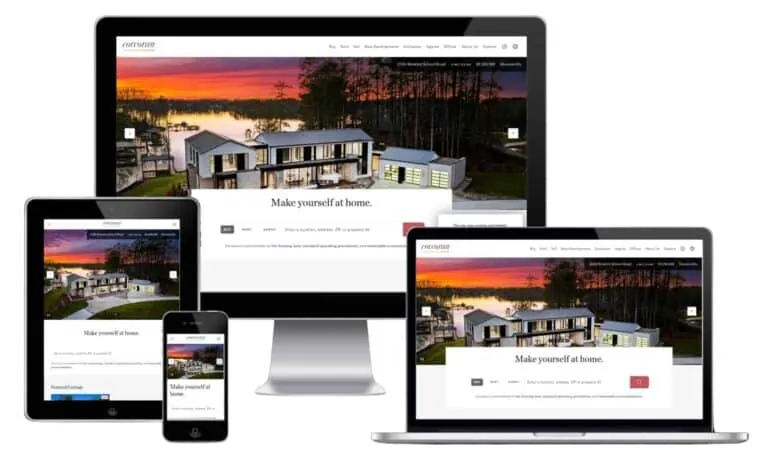
Corcoran Group
Real Estate Brokerage | New York
A brokerage whose offices and listings cover submarkets across New York, every one needing visibility under one brand. Egochi rebuilt the search architecture so offices stopped competing with each other for the same queries.
- +120% Organic Traffic Lift
- +300% Lead Growth
- 13.8 → 4.2 Average Position
-

Original Penguin
Apparel Retail | South Florida Stores
A multi-location apparel presence across South Florida on Shopify. Egochi built the store pages and profile alignment that connected each location to its own local searches instead of one blended brand result.
- 10,400 → 24,600 Store Page Sessions
- 1,280 → 2,840 GBP Actions
- 195k → 410k Search Impressions
-
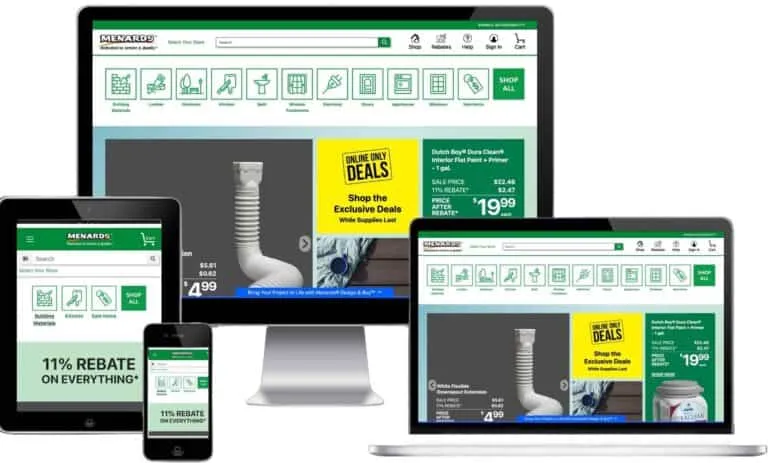
Menards
Home Improvement Retail | National
A national retail brand competing at enterprise scale. Egochi ran the SEO program these numbers restate, proof the method holds when the footprint is a household name rather than a single storefront.
- +250% Organic Traffic
- +435% Transactions
-
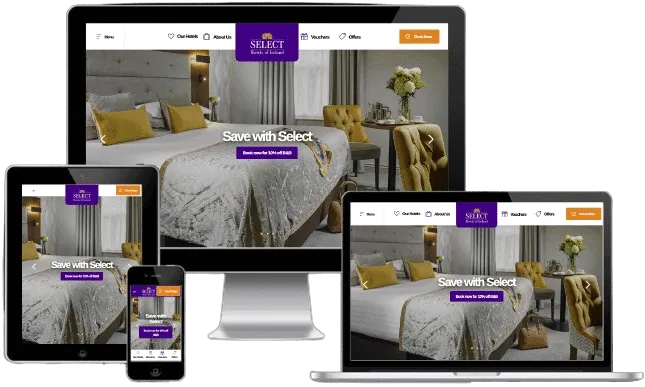
SELECT Hotels
Hotel Group | Web Design & Booking
A hotel group that needed one site to sell multiple properties to business and leisure travelers alike. Egochi built the design and booking experience behind the group's published numbers.
- +70% Inquiry Surge
- +55% Booking Conversion Lift
- +65% User Satisfaction Rise
-
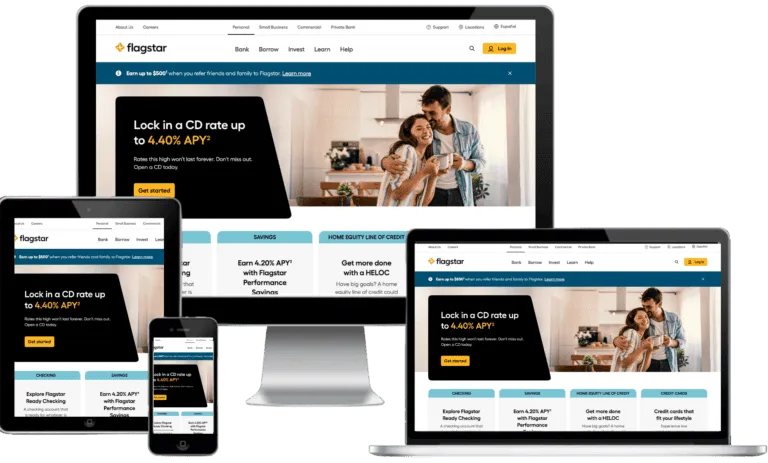
Flagstar
Commercial Bank | Branch Network
A commercial bank whose digital presence serves a branch network and a national brand at once. Egochi handled the search and accessibility work these figures restate, the same two-level problem every multi-location company carries.
- +72% Organic Traffic Increase
- +80% Email Engagement Climb
- +85% ADA Compliance Improvement
See How Egochi Works
A short look at how our team plans, builds, and reports on client work.
Is This Right for You?
This is for you if
- You own or operate multiple locations under one company: a medical or dental group, a multi-office law firm, a retail chain, or a home-services brand with branches.
- Your locations rank unevenly, and you suspect some are invisible in their own market or competing with each other for the same searches.
- You want one accountable partner and one report across the footprint, not a different vendor and a different story per branch.
This may not be the right fit if
- You run a franchise system with independent owners. That structure has different budgets, approvals, and co-op rules, and it has its own program at our franchise marketing agency page.
- You have one location today. A single-location plan is cheaper and simpler; multi-location structure earns its keep at two branches and up.
See the work: Local SEO case studies · Google Business Profile case studies
What Clients Tell Us
Property owners looking for management companies find us online now. Egochi understood our B2B model and created content that attracts the right property owners. Portfolio has grown 40% this year.
The Complete Multi-Location Program
This page is one part of a five-part program. Each piece works alone and works better together.
-
Multi-Location SEO
Location-page architecture that stops your branches competing with each other.
-
Multi-Location PPC
Geo-fenced campaigns and budgets that follow market opportunity.
-
Multi-Location Social Media
Branch-real content at scale, with review response across every office.
-
Multi-Location Website Design
One domain, a rankable page per branch, no redesign per new location.
Common Questions About Multi-Location Marketing
-
How much does multi-location marketing cost?
Egochi's multi-location plans start at $1,500 monthly and scale with location count and market competitiveness, not a flat per-location fee. Dense clusters share research and creative, so the tenth location costs less to market than the first. The proposal prices your actual footprint, market by market.
-
How do multi-location businesses show up in AI search results?
Customers now ask Google AI Overviews, ChatGPT, Gemini, and Perplexity for the nearest location, current hours, and whether a brand serves their city, and the assistants answer from structured location data, profiles, and reviews. Egochi structures per-location entity, NAP, hours, and review data at scale so those systems resolve every branch, and keeps brand-level and location-level signals consistent so the answers agree.
-
What is the difference between multi-location and franchise marketing?
Ownership. A multi-location company has one owner and one budget across every branch, so strategy can move money and priorities freely between markets. A franchise system has independent owners with their own budgets, approvals, and co-op rules, which changes everything about governance. Egochi runs a separate program for each structure.
-
Can locations of the same company really compete in search?
Yes, and it is the most common multi-location failure Egochi audits. When two branches target the same terms without clear geographic separation, Google often ranks the wrong one for a searcher’s city, or filters both. Fixing the location-page architecture and each profile’s signals resolves it.
-
How do I choose a digital marketing agency for a multi-location business?
Ask to see reporting at both levels: each branch beside the roll-up, because a blended average is where struggling locations hide. Ask how budget gets allocated across markets and how often the split is revisited. Ask whether location pages carry branch-real content or one template with the city name swapped. A flat per-location fee usually signals automation, and automated output is what search engines filter.
Awards and Partnerships Egochi Holds in 2026
-

Egochi Named 2026 Top Digital Marketing Agency by Clutch
Clutch, a B2B market research and reviews platform, names Egochi a top digital marketing agency for 2026. The distinction rests on overall market presence and, most importantly, verified client feedback. Egochi holds a 5.0 rating across 190+ reviews on Clutch.
-

Egochi Is a Certified Google Premier Partner
Egochi is a certified Google Premier Partner, a status Google grants to the top 3% of participating advertising agencies each year. The tier is earned on campaign performance, sustained client growth, and advanced Google Ads certification, and Google reviews it annually rather than granting it for life.
The Team Behind the Work
-

Jobin John
Chief Executive Officer
-

Justin Brown
Head of Search Engine Optimization
-

Bryan Thomson
Head of Web Design & Development
-

Ina Komins
Head of Social Media Marketing
-

Kierra Pita
Head of Advertising & Content Marketing
-

Patricia Turner
Chief Creative Officer
-

William Carter
Chief Digital Strategy Officer
-

Andrew Miller
Senior SEO Strategist
-

Amy Robinson
Content Marketing Manager
-

Betty Harrison
PPC Campaign Specialist
-

Anthony Carter
Lead Digital Account Executive
-

Amanda Cooper
Social Media Director
-

Carol Parker
Senior Client Success Manager
-

Barbara Bennett
Email Marketing Lead
-

Charles Turner
Technical SEO Analyst
-

Brian Sullivan
Creative Director
-

Christine Walker
Director of Project Management
-

Christopher Brooks
Digital Marketing Strategist
-

Daniel Wright
Senior Analytics Specialist
-

David Henderson
Lead Content Strategist
-

Donna Mitchell
Client Communications Manager
-

Elizabeth Foster
Director of Paid Advertising
-

Emily Baredi
Brand Experience Specialist
-

Emma Scott
Social Media Content Creator
-

George Crawford
Technical Solutions Architect
-

Jacob Evans
Digital Content Coordinator
-

James Anderson
Marketing Automation Specialist
-

Jason Palmer
Junior Copywriter
-

Jeffrey Reynolds
Paid Media Analyst
-

Jennifer Lewis
Community Engagement Specialist
-

Jonathan Murphy
SEO Reporting Specialist
-

Joseph Morgan
Influencer Marketing Coordinator
-

Kenneth Stevens
Digital PR Manager
-

Kimberly Harper
Digital Marketing Intern
-

Kevin Morris
SEO Outreach Specialist
-

Lee Dawson
Junior Web Developer
-

Linda Peterson
Email Campaign Coordinator
-

Lisa Thompson
Social Media Ads Specialist
-

Margaret Bradley
Marketing Operations Lead
-

Mark Richards
Data & Insights Analyst
-

Mary Kennedy
Senior Copyeditor
-

Matthew Clark
Growth Marketing Manager
-

Michelle Sanders
Junior Marketing Designer
-

Michael Foster
Senior Conversion Rate Specialist
-

Nancy Wheeler
Digital Analytics Manager
-

Nicholas Pierce
Affiliate Marketing Specialist
-

Nicole Adams
Outreach Program Coordinator
-

Paul Franklin
Paid Social Campaign Manager
-

Richard Barnes
Reputation Management Specialist
-

Robert Murphy
Lead Solutions Architect
-

Ronald Davis
Marketing Technology Analyst
-

Ryan Bell
Paid Media Buyer
-

Sandra Gregory
Digital Account Coordinator
-

Scott Hopkins
CRM Implementation Specialist
-

Shirley Ellis
Customer Insights Manager
-

Stephanie Cross
Brand Content Designer
-

Steven Greene
Web Analytics Specialist
-

Susan Price
Affiliate Campaign Manager
-

Thomas Fisher
Lead Technical Architect
-

Timothy Nash
Mobile Marketing Strategist
Certified & Accredited


Every Location Wins Its Market. The Brand Compounds.
Tell us your locations and markets. Egochi, a 5.0 rated agency across 190+ Clutch reviews, audits where branches are invisible, where they collide with each other, and where budget should move first.
Egochi Stats
- $200M+ Client Revenue Generated
- 500+ Clients Served
- 250+ Google Reviews
- 190+ Clutch Reviews
- 12+ Years in Business
- 60+ Team Members
- 150+ Websites Delivered
- Premier Google Partner
Blog Posts
- Sep 27, 2026 Google September 2026 Spam Update Rolls Out Worldwide
- Aug 12, 2026 GEO vs. SEO: A Comparative Guide for Digital Marketers
- Aug 12, 2026 What is llms.txt? | How to Create llms.txt file for your website
- Aug 12, 2026 What is Semantic SEO? | How to Build Topical Authority That Ranks
- Aug 12, 2026 What is Schema Markup? | How to Add Structured Data to Your Website