SaaS SEO Company That Turns Rankings Into Demos
B2B SaaS Search Engine Optimization That Turns Rankings Into Demos and Pipeline
Egochi is a B2B SaaS SEO company that turns software searches into demos for products from seed-stage launches to public platforms. Software buyers search in three tiers, the problem they have, the feature they want, and the competitor they plan to replace, and the comparison pages closest to the decision are the ones most vendors never write. Egochi builds all three tiers, weighted toward the searches evaluators run the week they book demos, with technical work that keeps a JavaScript-heavy site crawlable. Behind every software engagement sit Egochi’s Google Premier Partner status and a Clutch record of 190+ reviews at 5.0. A SaaS SEO engagement at Egochi starts at $1,500 and runs to $15,000 monthly, priced on category difficulty and the competitor set you need covered. Start with a free SaaS SEO audit below.
Read More +
Software Buyers Search in Problem, Feature, and Competitor Tiers
A SaaS keyword list only makes sense sorted by distance from the decision. Problem searches come first, someone describing a pain in their own words. Feature and category searches come next, once the buyer knows a tool exists for it. Competitor searches come last, the versus and alternatives queries evaluators run in their final week, and they convert best because the reader is actively choosing.
Most vendors publish endless problem-tier blog posts and never build the competitor tier, because naming rivals honestly takes nerve. A comparison page that concedes what the other product does well earns the trust that closes the rest of the argument. Buyers run those searches whether you answer them or not; silence hands the framing to whoever ranks instead, usually an affiliate listicle with no stake in being fair to you.
The Demo Math Behind SaaS SEO Pricing
Specialist pricing in this category runs high: Virayo, a well-known SaaS SEO firm, publishes a $7,500 monthly starting price with a six-month minimum. Egochi prices the same discipline from $1,500 a month with no lock-in, because the early quarters of a SaaS program are narrow by design, the competitor tier and the technical fixes, and a retainer should grow when the page library does, not before.
The denominator matters more than the fee. A program measured in traffic can double its charts while the sales team sees nothing. Egochi attributes signups and demo requests to pages, reports movement through the stages your CRM already tracks, from lead to MQL to SQL to pipeline, and prunes content that ranks but never activates anyone. Rankings are the means; the number defended every month is pipeline.
Product-Led and Sales-Led Motions Need Different SEO
A product-led tool with a free trial wants volume: problem and template pages that pull thousands of self-serve visitors, docs that rank and convert on their own, and a signup path one click from every page. A sales-led platform selling six-figure contracts wants precision: category and comparison coverage for a small set of evaluators, proof surfaces a buying committee can forward internally, and content that survives procurement scrutiny.
The same page types carry different weights in each motion, which is why Egochi scopes the program to yours before writing anything. A PLG roadmap stamped onto an enterprise platform produces traffic the sales team cannot use; the reverse starves a self-serve funnel of the volume it feeds on.
Programmatic SEO Works Until It Has Nothing to Say
Programmatic pages earn their rankings when every URL holds data only you have: a connector page per supported tool with real setup detail, a template library with genuine examples, a glossary written from product experience. The template is fine; the substance per page is the test.
The failure mode is the same template with a swapped keyword and nothing underneath, thousands of pages at once, increasingly AI-stamped. Google’s scaled-content policies now bury that pattern, and sites have lost whole libraries to it in a single update. Egochi will tell you in the audit which programmatic plays your data can honestly support and which would put the domain at risk, and we will not build the second kind.
★★★★★
250+ Reviews
Yelp
★★★★★
50+ Reviews
FourSquare
★★★★★
50+ Reviews
Certified & Accredited


As Featured In





Get Your FREE Instant SaaS SEO Audit Report Now
Run a quick SaaS SEO audit covering 150+ factors. It grades your coverage across the problem, feature, and competitor tiers, checks rendering and crawlability on JavaScript frameworks, flags Core Web Vitals, schema, and backlink gaps, and orders the fixes by expected demo impact.
Watch Clients Talk About Their Results
"The results are just amazing"
"Egochi is the best"
Case Studies From Software and B2B Clients
Egochi, the agency named in each engagement below, publishes these receipts from software, technology, and B2B clients on the roster. The SaaS platform opens the row, each stat restates the client’s published case study, and the cards for engagements that were web builds are labeled that way.
-
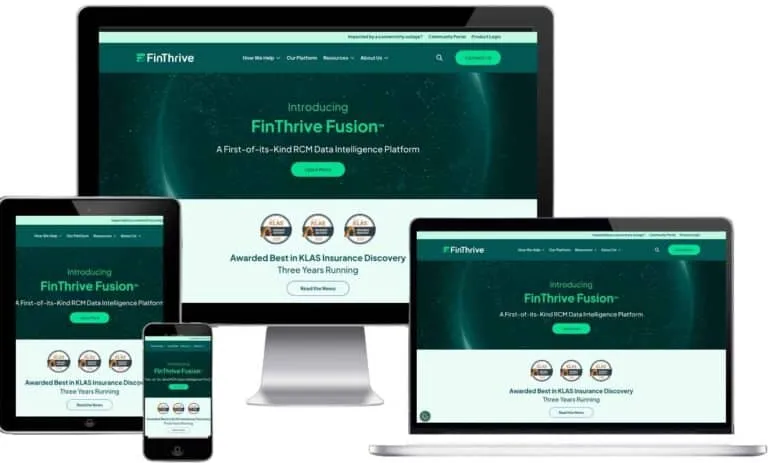
FinThrive
Revenue-Cycle SaaS | B2B Web Build
A healthcare revenue-cycle platform selling to hospitals, exactly the committee buyer enterprise SaaS teams know. Egochi designed the Magento build these numbers restate, and the faster pages pushed more evaluators toward demo requests.
- 50% Bounce Rate Drop
- 40% Page Load Time Cut
- 300 Monthly Demo Requests
-
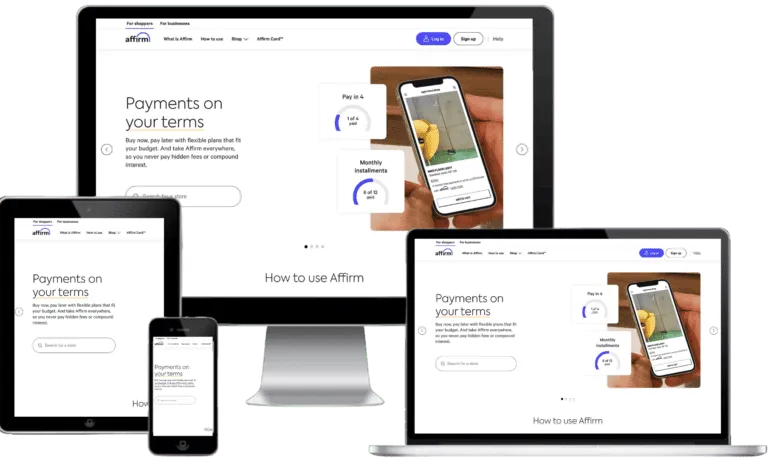
Affirm Holdings
Financial Technology | Web Build
A fintech brand that needed its site to match the product’s credibility. Egochi delivered the custom ADA-compliant build this card restates, and traffic, engagement, and conversions all climbed on it.
- +74% Organic Traffic Increase
- +80% User Engagement Improvement
- +68% Conversion Rate Lift
-
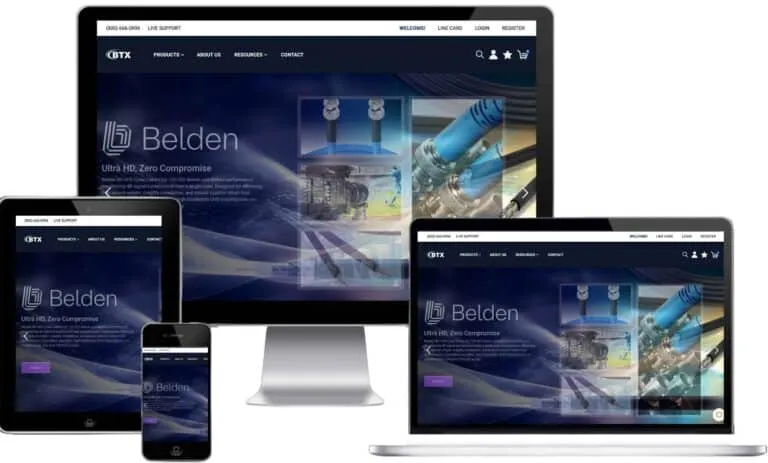
BTX Technologies
B2B Technology Distributor | Search Program
A Magento distributor whose buyers run narrow, intent-heavy industry searches, the B2B long tail SaaS categories live on. Egochi ranked the pages those queries deserve, and the published lead and revenue gains followed.
- +80% Organic Traffic Lift
- 1.5K Extra Monthly Qualified Leads
- $200K Added Revenue
-
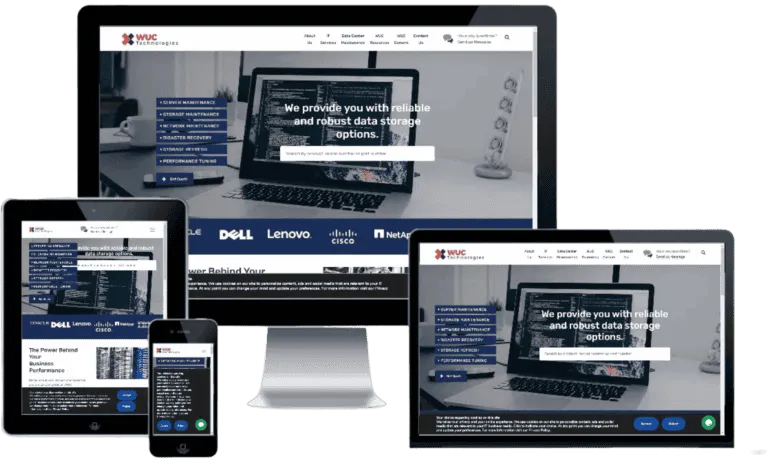
WUC Technologies
IT Services | B2B SEO
A B2B technology firm invisible for the services it sold. Egochi rebuilt the keyword targeting and the on-page layer, and qualified inquiries rose with the rankings, the same motion a software category page runs.
- +75% Organic Traffic Increase
- +60% User Engagement Lift
- +50% Qualified Inquiry Rise
-

Microsoft
Enterprise Technology | B2B Pipeline
An enterprise engagement at the top of the B2B scale. Egochi moved search visibility, lead generation, and pipeline revenue together, proof the program reports in the funnel stages software boards actually read.
- +150% Organic Traffic
- +300% Lead Generation
- $2.4M Pipeline Revenue
-
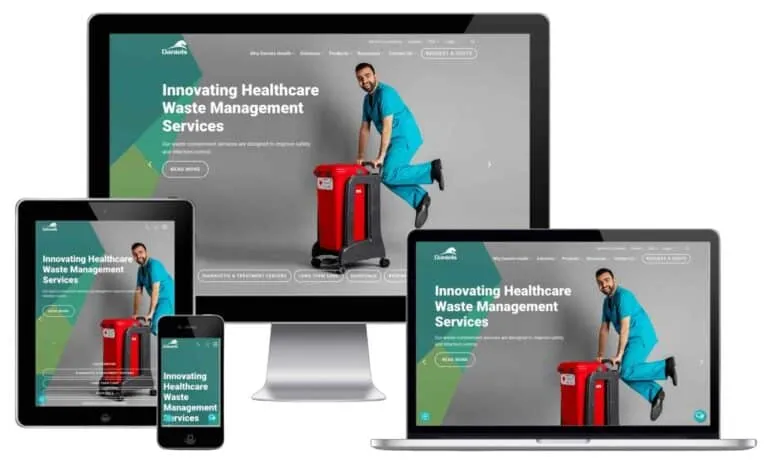
Daniels Health
Healthcare Services | National B2B
A clinical waste company that beat entrenched incumbents on authority terms. The link program Egochi ran shows in its referring-domain numbers, the same contest a SaaS category page fights against review-site giants.
- +520 Referring Domains
- +73% Search Visibility
- DR 58 Domain Rating
Browse the technology case studies →
Start Ranking for the Searches That Book Demos
Tap the button below, and snag your free proposal!
Get Free ProposalSaaS SEO Services Inside Every Plan
Every Piece of the Ranking Puzzle, Weighted by Distance From the Demo
Egochi provides the SEO services below as one SaaS program with one plan and one report: a product-led tool leans on problem pages and indexable docs, a sales-led platform on comparison and category coverage, a vertical product on the industry terms its buyers actually use.
-
Intent-Tier Keyword Research
Egochi classifies every target query as problem, feature, or competitor intent, then weights the plan toward the tiers closest to revenue instead of the ones with the prettiest volume charts.
-
On-Page SEO for Feature and Category Pages
Egochi structures the pages that define your category claim: headings, internal links, and schema that let a feature page rank for the searches its buyers run, with the product shown doing the work.
-
Comparison and Alternatives Pages
Egochi writes honest versus and alternatives pages for your named competitors, with real feature and pricing detail, built to win the searches evaluators run in their final week of deciding.
-
Product-Led Content Marketing
Egochi writes problem and use-case pages with the product in them: real screenshots, real workflows, real limits. Depth a freelancer without product access cannot fake, and the kind AI answers quote.
-
Technical SEO for JavaScript Sites
Egochi handles rendering and crawlability for React, Next.js, and friends, sensible treatment of docs and app subdomains, and site structure that keeps authority flowing to the pages that sell.
-
Link Building and Digital PR
Egochi earns links from technology press, developer publications, and industry newsletters, the authority a software domain needs to outrank incumbents and the affiliate listicles crowding your category.
-
AI SEO
Egochi structures your comparisons, docs, and entity signals so AI Overviews, ChatGPT, and Perplexity can cite your product accurately when buyers ask them for tools in your category.
-
Google Ads for SaaS
Egochi runs paid campaigns on competitor and category terms when pipeline cannot wait for rankings, with demo-level tracking that reports both channels in one place.
-
Review-Platform and Reputation Signals
Egochi keeps your G2 and Capterra presence consistent with your site and steadily reviewed, because buyers and AI assistants both check those profiles before a shortlist forms.
-
Conversion Rate Optimization
Egochi tests the paths from ranking page to trial and demo, pricing-page clarity, signup friction, proof placement, so the traffic the program earns converts instead of reading and leaving.
-
International SEO for Global Products
Egochi sets up hreflang, market-level keyword research, and localized pages for products sold in several countries, so each region ranks on content written for it rather than translated at it.
-
SaaS Web Design
The marketing site decides whether an evaluation starts. Egochi designs SaaS sites that explain the product fast, publish honest pricing, and move visitors into the trial or demo motion without a rebuild.
Common Questions About SaaS SEO
-
What is SaaS SEO?
SaaS SEO is search engine optimization built for how software gets bought: rankings across problem, feature, and competitor searches, technical work for JavaScript-heavy sites, and content written with product access so it converts evaluators, not just readers. Teams search it as SaaS SEO company, B2B SaaS SEO agency, or software SEO; the discipline is the same, and a proper program is measured in trials, demos, and pipeline rather than traffic.
-
How much does SaaS SEO cost?
Egochi prices SaaS SEO from $1,500 monthly, scaling to $15,000 with the competitiveness of your category and the number of competitors worth comparison coverage. Pricing is published up front, with no setup fee and no lock-in, and the free audit shows what closing your intent-tier gaps would take before you commit.
-
How long does SaaS SEO take to produce demos?
Comparison and alternatives pages can rank and convert within weeks, because their competition is thin and their readers are days from a decision. Feature and category rankings typically take three to six months, and problem-tier head terms longer. Egochi sequences the bottom tier first so the program earns demos while the slower tiers compound behind it.
-
Does SaaS SEO help with AI search visibility?
Yes, and mostly through the same work. AI Overviews draw on pages that already rank, ChatGPT and Perplexity resolve products through consistent entity signals, review-platform data, and crawlable docs, while Gemini reads structured data closely. Egochi builds SaaS pages in exactly that shape, so AI citations come out of the SEO program instead of a second bill.
SEO for PLG, Sales-Led, and Vertical SaaS Companies
Egochi provides SEO for software companies across every growth motion, and the keyword map changes with each one:
-
Product-Led Growth Tools
Self-serve buyers want to try, not talk. High-volume problem and template pages, indexable docs, and a signup path one click from everywhere carry this motion.
-
Sales-Led Enterprise Platforms
A handful of evaluators decide six-figure contracts. Category and comparison coverage, committee-ready proof, and pipeline-stage reporting carry the program here.
-
Dev-Tool and API Companies
Engineers rank docs-adjacent material and distrust everything else. Honest tutorials, changelogs, and pages that state limits plainly win both rankings and respect.
-
Vertical SaaS
Software for one industry wins on that industry’s vocabulary. Pages built around the buyer’s own job titles, workflows, and compliance terms beat generic category plays.
-
Marketplaces and Platforms
Two-sided products run two keyword maps, supply and demand, and the pages for each side must not collide. Egochi plans both sides as one architecture.
-
Early-Stage vs Scale-Up
A seed-stage product needs the competitor tier and little else; a scale-up needs category authority and international coverage. The stage sets the sequence, not a template.
AI SEO for SaaS Companies
The same buyers who search Google now ask ChatGPT which products to shortlist in your category, and AI Overviews, Google’s AI Mode, Claude, Gemini, and Perplexity compare products above the classic results. Egochi builds SaaS SEO so the rankings and the AI citations come out of one effort.
-
Answer Engine Optimization (AEO)
When buyers ask an assistant to compare your product with a rival, the answer draws on whichever comparison page states the facts most cleanly. Egochi writes those pages with honest feature, pricing, and fit detail stated plainly, so the same work earns the ranking and the citation above it.
-
Entity and Schema Signals
Assistants check that a product reads the same everywhere before recommending it. Egochi keeps one consistent identity across your site, G2 and Capterra profiles, and directories, then marks up product, organization, pricing, and FAQ data in schema those systems parse.
-
Generative Engine Optimization (GEO)
Developers and buyers ask assistants for tools with specific capabilities, and the engines answer from documentation, changelogs, and review data they can crawl. Egochi keeps those surfaces indexable and answer-shaped instead of locked behind an app shell no system can read.
SaaS SEO Campaigns Run on Egochi's Proprietary VERTEX Search™ Ranking System
VERTEX Search™ is Egochi's proprietary SEO methodology, custom built in-house since 2014 and run on every SaaS engagement. The full system holds 18 documented steps; the wheel below shows the eight milestones a software team sees, from the first intent-tier audit to reporting that counts demos and pipeline.

1
Step 1: Intent-Tier and Competitor Audit
Egochi maps your rankings and your named competitors’ across the problem, feature, and competitor tiers, flags the versus searches nobody answers honestly, and gives you that gap list before any contract conversation.
Step 2: SaaS Keyword Research
Every target query gets one page and one tier label, weighted by distance from a decision and matched to your motion, trial-led or demo-led, so the plan funds the searches that activate buyers.
Step 3: Technical Foundation
Rendering on JavaScript frameworks, indexation, docs and app subdomain structure, and Core Web Vitals get fixed first, because a comparison page Google cannot crawl properly does not exist.
Step 4: Comparison Layer First
Versus and alternatives pages ship early: they sit closest to revenue, face the thinnest competition, and give the program demos while the slower tiers mature.
Step 5: Feature and Problem Page Rollout
Product-led pages roll out on a steady cadence, each written with product access, real screenshots, and stated limits, targeting the searches your best-fit buyers run before they know your name.
Step 6: Docs, Reviews, and Entity Surfaces
Documentation stays indexable, G2 and Capterra profiles stay consistent with the site, and structured data ties it together, the proof layer both Google and AI assistants verify against.
Step 7: Authority and Digital PR
Links earned from technology press, developer publications, and industry newsletters build the domain, so category pages can outrank incumbents without buying placement.
Step 8: Reporting in Demos and Pipeline
Monthly reporting attributes trials and demo requests to pages and follows them through your CRM stages. Content that ranks but never activates anyone gets rewritten or cut.
VERTEX Search™ is not a rebranded checklist. Egochi built it in-house, documented every step inside the EGOCHI VERTEX™ Growth System, and runs each SaaS program through the same inspectable method, so you can hold any month of work against it.

Led by Jobin John, Founder and CEO
Jobin founded Egochi in 2014 and directs strategy for every engagement, including the SaaS programs. He leads the flagship SEO work personally, and when you request an audit, the plan that comes back is built by the team he trained, not passed to a reseller.
SaaS SEO Mistakes That Keep Pipelines Flat
- Chasing high-volume informational keywords whose readers will never buy software, then reporting the traffic as a win.
- Writing alternatives pages that pretend the competitor has no strengths, which evaluators read as an ad and bounce from.
- Letting docs and the blog live on subdomains that hoard authority the money pages never inherit.
- Stamping out thousands of programmatic pages with no real data behind them, the pattern Google’s scaled-content rules now bury.
- Measuring content by sessions instead of signups, so the calendar keeps feeding the posts that never start a trial.
Meet the Team Behind Your SaaS Rankings
-

Jobin John
Chief Executive Officer
-

Justin Brown
Head of Search Engine Optimization
-

Bryan Thomson
Head of Web Design & Development
-

Ina Komins
Head of Social Media Marketing
-

Kierra Pita
Head of Advertising & Content Marketing
-

Patricia Turner
Chief Creative Officer
-

William Carter
Chief Digital Strategy Officer
-

Andrew Miller
Senior SEO Strategist
-

Amy Robinson
Content Marketing Manager
-

Betty Harrison
PPC Campaign Specialist
-

Anthony Carter
Lead Digital Account Executive
-

Amanda Cooper
Social Media Director
-

Carol Parker
Senior Client Success Manager
-

Barbara Bennett
Email Marketing Lead
-

Charles Turner
Technical SEO Analyst
-

Brian Sullivan
Creative Director
-

Christine Walker
Director of Project Management
-

Christopher Brooks
Digital Marketing Strategist
-

Daniel Wright
Senior Analytics Specialist
-

David Henderson
Lead Content Strategist
-

Donna Mitchell
Client Communications Manager
-

Elizabeth Foster
Director of Paid Advertising
-

Emily Baredi
Brand Experience Specialist
-

Emma Scott
Social Media Content Creator
-

George Crawford
Technical Solutions Architect
-

Jacob Evans
Digital Content Coordinator
-

James Anderson
Marketing Automation Specialist
-

Jason Palmer
Junior Copywriter
-

Jeffrey Reynolds
Paid Media Analyst
-

Jennifer Lewis
Community Engagement Specialist
-

Jonathan Murphy
SEO Reporting Specialist
-

Joseph Morgan
Influencer Marketing Coordinator
-

Kenneth Stevens
Digital PR Manager
-

Kimberly Harper
Digital Marketing Intern
-

Kevin Morris
SEO Outreach Specialist
-

Lee Dawson
Junior Web Developer
-

Linda Peterson
Email Campaign Coordinator
-

Lisa Thompson
Social Media Ads Specialist
-

Margaret Bradley
Marketing Operations Lead
-

Mark Richards
Data & Insights Analyst
-

Mary Kennedy
Senior Copyeditor
-

Matthew Clark
Growth Marketing Manager
-

Michelle Sanders
Junior Marketing Designer
-

Michael Foster
Senior Conversion Rate Specialist
-

Nancy Wheeler
Digital Analytics Manager
-

Nicholas Pierce
Affiliate Marketing Specialist
-

Nicole Adams
Outreach Program Coordinator
-

Paul Franklin
Paid Social Campaign Manager
-

Richard Barnes
Reputation Management Specialist
-

Robert Murphy
Lead Solutions Architect
-

Ronald Davis
Marketing Technology Analyst
-

Ryan Bell
Paid Media Buyer
-

Sandra Gregory
Digital Account Coordinator
-

Scott Hopkins
CRM Implementation Specialist
-

Shirley Ellis
Customer Insights Manager
-

Stephanie Cross
Brand Content Designer
-

Steven Greene
Web Analytics Specialist
-

Susan Price
Affiliate Campaign Manager
-

Thomas Fisher
Lead Technical Architect
-

Timothy Nash
Mobile Marketing Strategist
Awards and Partnerships Egochi Holds in 2026
-

Egochi Named 2026 Top SEO Company in SaaS by Clutch
Clutch, a B2B market research and reviews platform, names Egochi a top SEO company for 2026 among the agencies SaaS businesses hire. The distinction rests on overall market presence and, most importantly, verified client feedback. Egochi holds a 5.0 rating across 190+ reviews on Clutch.
-

Egochi Is a Certified Google Premier Partner
Egochi is a certified Google Premier Partner, a status Google grants to the top 3% of participating advertising agencies each year. The tier is earned on campaign performance, sustained client growth, and advanced Google Ads certification, and Google reviews it annually rather than granting it for life.
Is Egochi the Right Fit for Your Software Company
Who this is for
- You sell B2B software with a defined category, named competitors, and buyers who research before they commit.
- You want a compounding channel: pages that earn trials and demos for years, not clicks that stop when the budget does.
- You can give product access and a few hours of expert input; the content that wins is written with the product, not about it.
When we may not be the right fit
- You need pipeline this quarter with nothing else running; SEO compounds over months, and we will say so in the audit.
- Your category has no search demand yet; category creation is a brand and community play first, and SEO cannot conjure queries.
Fair Questions SaaS Teams Ask
Everyone says SaaS SEO takes a year. Does it?
The full program compounds over quarters, but the tiers move at different speeds. Comparison and alternatives pages often rank in weeks because volume is small and competition thin, and they convert best, so early demos are realistic. Category head terms are the year-long fight. Egochi starts at the bottom tier so the plan earns while the slow tiers grow.
Our traffic grows every month but trials do not. Why?
That is the velocity trap: broad informational content attracts readers who wanted an answer, not a product. The fix is not more posts; it is rebalancing toward competitor and feature intent, adding product depth to the problem pages worth keeping, and measuring signups per page so the calendar stops rewarding empty traffic. That rebalance is usually Egochi’s first quarter of work.
The SaaS specialists quote $7,500 a month. What does $1,500 buy?
A focused program, honestly scoped. Virayo, one of the best-known SaaS SEO specialists, publishes a $7,500 monthly start with a six-month minimum; Egochi’s floor funds the competitor tier and the technical fixes, the work closest to revenue, month to month with no lock-in. As those pages produce, the plan grows into the $15,000 tiers on evidence, not on a sales call’s promise.
Developers hate marketing. Will SEO content hurt us with them?
Bad SEO content will. Gated PDFs and breathless copy repel the exact audience you need. What ranks and converts with engineers is docs-adjacent material: honest tutorials, migration notes, changelogs, and pages that state limits plainly. Egochi writes that material with product access, and it happens to be exactly what AI assistants cite when developers ask them for tools.
More Ways We Grow Software Companies
Rankings work best when the rest of your marketing keeps pace. The same Egochi team runs every other channel for software companies, and the keyword data feeds all of it:
-
SaaS Digital Marketing Agency
The full program mapped to your funnel: signups, demos, expansion revenue.
-
SaaS PPC
Intent-tiered campaigns priced against LTV, not lead volume.
-
SaaS Social Media
LinkedIn-first authority that shortens sales cycles before the demo call.
-
SaaS Web Design
Marketing sites that explain the product fast and convert trials without a rebuild.
SaaS SEO Frequently Asked Questions
How do I choose a SaaS SEO agency?
Ask how they classify keywords by intent and which tier they would build first; a plan that opens with high-volume blog posts instead of comparison pages is a warning sign. Ask whether content gets written with product access, how reporting ties rankings to trials and demos by page, and for pricing before the call ends. If they promise category head terms in weeks, keep looking.
What do SaaS SEO services include at Egochi?
Every plan carries the full program: intent-tier keyword research, comparison and alternatives pages, product-led content, technical work for JavaScript sites, link earning, review-platform consistency, and AI search structuring, reported monthly in demos and pipeline. Tiers run $1,500 to $15,000 a month, with the whole ladder published on our SEO pricing page.
Should we really name competitors on our own site?
Yes, factually and fairly. Buyers search “you versus competitor” whether you participate or not; the only question is who frames the answer. Pages that state a rival’s genuine strengths convert better than propaganda, because evaluators trust what checks out against their own research. Stick to verifiable facts and the legal risk stays where it belongs: near zero.
Do you need access to our product to write the content?
Yes, and it is the difference between content that converts and content that fills a calendar. Egochi writers work inside the product, take real screenshots, and interview your team for the decisions behind features. A few hours of expert input per month is enough; what we will not do is write around a product we have never opened.
Can we just generate hundreds of pages with AI instead?
You can, and the risk is the domain itself. Google’s scaled-content policies target mass-produced pages with nothing unique underneath, and sites have lost entire libraries to a single update. Programmatic SEO still works where every URL carries data only you have, and the audit sorts the honest plays from the risky ones for your product. Volume without substance is how SaaS sites disappear.
Who does the actual work on our account?
Egochi’s own team: the strategists, writers, and technical specialists trained on the VERTEX system, working with your product and your subject-matter experts. Nothing is passed to a reseller, plans run month to month, and every report names the pages shipped and the demos they produced.
Own the Searches That Book Your Demos
Tell us your category and the three competitors you lose deals to. Egochi, a 5.0 rated SaaS SEO agency across 190+ Clutch reviews, charts your coverage on all three intent tiers against theirs and names the pages that would produce demos first.
Egochi Stats
- $200M+ Client Revenue Generated
- 500+ Clients Served
- 250+ Google Reviews
- 190+ Clutch Reviews
- 12+ Years in Business
- 60+ Team Members
- 150+ Websites Delivered
- Premier Google Partner
Blog Posts
- Sep 27, 2026 Google September 2026 Spam Update Rolls Out Worldwide
- Aug 12, 2026 GEO vs. SEO: A Comparative Guide for Digital Marketers
- Aug 12, 2026 What is llms.txt? | How to Create llms.txt file for your website
- Aug 12, 2026 What is Semantic SEO? | How to Build Topical Authority That Ranks
- Aug 12, 2026 What is Schema Markup? | How to Add Structured Data to Your Website