SaaS Web Design Agency
A SaaS marketing site has one job most redesigns forget: move a skeptical evaluator toward the product with exactly as much friction as your sales motion requires, and no more. Egochi designs SaaS websites around that motion. Free-trial products get signup paths measured in seconds; demo products get proof-heavy pages that qualify as they persuade. Either way, the homepage answers "what does this do and for whom" inside five seconds with real product screenshots, the pricing page answers instead of hiding, and Egochi ships the whole thing as a static-fast build with Core Web Vitals in the green. Site builds are quoted per project; ongoing plans that include design work start at $1,500 monthly. Get a free quote.
Get Your Free Website Quote See What's Included
- 250+ Google Reviews
- 190+ Clutch Reviews at 5.0
- Google Premier Partner
As Featured In






What a SaaS Website Has to Get Right
Four decisions Egochi makes deliberately that separate a site that converts evaluators from a pretty brochure.
Your sales motion decides your architecture
Trial and demo are different sites wearing the same logo. A trial motion puts signup one click from everywhere and moves proof into the product; a demo motion front-loads evidence, pricing context, and qualification. Choosing wrong burns every channel that lands there, which is why, inside a full SaaS digital marketing program, the site is the first asset Egochi pressure-tests.
You get about five seconds to explain the product
Evaluators arrive mid-comparison, with tabs open. If the headline plus the first screenshot cannot answer what the product does and who it is for, they go tab-shopping. Real interface screenshots beat abstract 3D art every time here, because the screenshot answers a question and the art only decorates one. Egochi designs every hero to pass that test.
The pricing page is your most-read salesperson
It is among the most visited pages on nearly every SaaS site, and the most common conversion killer is hiding it behind "talk to sales". Even a "starts at" figure with honest tier logic keeps evaluators in your funnel, and published pricing is what AI assistants cite when buyers ask what you cost. Silence lets someone else answer, so Egochi designs the page to speak.
Technical evaluators read the site edges first
Developers and security reviewers skip the homepage and check the docs, the changelog, the status page, and the security page. Sparse or stale edges read as product risk no matter how polished the homepage is. Egochi designs those surfaces as first-class pages, because for half the buying committee they are the site.
What's Inside a SaaS Website Build
Six deliverables Egochi ships, each in service of the evaluator who is deciding right now.
-
Motion-Matched Architecture
Egochi builds the sitemap around trial or demo: where signup lives, where proof loads, what the nav promises, and which pages exist at all.
-
Product Story and Messaging
Egochi writes headlines and page copy that pass the five-second test, drawn from real workflows and jobs-to-be-done rather than category slogans.
-
Pricing Page Design
Egochi designs the tier structure, comparison logic, and objection-answering FAQ, so the page sells while you sleep instead of deflecting to a form.
-
Static-Fast Build
Egochi ships a modern static build with green Core Web Vitals, no plugin bloat, and pages your marketing team can edit without filing a ticket.
-
Docs, Changelog, and Trust Pages
Egochi structures the surfaces technical evaluators check first and keeps them current, including the security page that unblocks procurement.
-
Conversion Tracking and Testing
Egochi instruments signup and demo funnels from day one, with a post-launch test list so the site keeps improving on evidence instead of opinion.
What AI Engines Read on a SaaS Website
When buyers ask Google AI Overviews, ChatGPT, Gemini, or Perplexity what your product does, what it costs, and how it compares, the engines answer from your website, if they can read it. A JavaScript shell that renders nothing to a crawler, a hidden pricing page, and thin docs leave the answer to third parties. Egochi builds SaaS sites as sources the systems can parse, quote, and cite, which is the same structure human evaluators convert through.
Google AI OverviewsChatGPTGeminiPerplexity
-
Pricing the assistants can quote accurately
Cost questions are among the most common software queries buyers put to AI, and the engines quote whatever is published and structured. Egochi designs pricing pages with clean tier logic and schema markup, so the number in the AI answer is yours, current, and framed the way you sell it.
-
Markup and rendering the crawlers survive
Gemini and Perplexity cannot cite what they cannot parse. Egochi ships semantic, statically rendered pages with product, organization, FAQ, and pricing schema, instead of a client-side app shell that reads as an empty page to half the systems answering questions about you.
-
Docs and trust pages as citation sources
When developers ask an assistant whether your product supports a capability, the honest answer lives in your docs, changelog, and security pages. Egochi builds those edges crawlable and answer-shaped, because they win both the citation and the procurement review.
-
One build serves Google, AI, and the evaluator
Fast loads, semantic structure, and honest content are one set of decisions, not three. The build Egochi ships holds Core Web Vitals in the green, ranks in classic search, and gives AI engines a source worth citing, on one invoice.
How a SaaS Site Gets Built
-
Motion and message teardown
Egochi walks your current site the way an evaluator does: the five-second test on the homepage, the pricing page hunt, the docs check, and the path from landing to signup or demo, counting every point of friction.
-
Architecture and page map
You approve a sitemap before design starts: homepage, product and solution pages, pricing, comparison structure, and the trust edges, so nothing important gets bolted on after launch.
-
Design around the product
Egochi leads layouts with real interface screenshots and short product clips, with customer proof placed at the decision points where hesitation actually happens.
-
Build and speed pass
The site ships as a static-fast build, tested on mid-range phones and slow connections, with Core Web Vitals held in the green before launch rather than patched after.
-
Launch, tracking, iteration
Redirects preserve the rankings your old pages earned, funnels get instrumented, and Egochi hands you a prioritized test list instead of a goodbye email.
Fair Questions About SaaS Websites
Our product is genuinely complex. Can a website explain it?
Yes, because complexity is a sequencing problem, not a design limit. The homepage answers one question: what this does and for whom. Depth then layers by audience, with use-case pages for buyers and docs for practitioners. The mistake is answering everything at once and drowning the evaluator. Show the screen where the product earns its money, then let each reader dig at their own pace.
Should we hide pricing until sales can get them on a call?
For a true enterprise motion with custom contracts, sometimes. For everyone else, hidden pricing filters out self-serve evaluators who simply move to a competitor that publishes numbers, and it leaves AI answers about your cost to third parties. The middle path Egochi designs for works: publish "starts at" figures and tier logic, and let sales handle the negotiated end.
Do we need a full rebuild or just a conversion pass?
Honestly, sometimes the pass. A homepage rewrite, a rebuilt pricing page, and faster loads can move signups more than a from-scratch redesign, at a fraction of the cost. A rebuild earns its price when the architecture fights your motion or the platform blocks your team. Egochi's teardown tells us which case you are, and the quote matches the answer.
Webflow, WordPress, or a custom static build?
The platform should follow your team's workflow, not the agency's convenience. Webflow suits design-led marketing teams; WordPress still fits content-heavy operations; Egochi defaults to a static build for speed and stability, since it removes plugin maintenance and holds Core Web Vitals without effort. What matters most is that marketing can ship pages without engineering.
Common Mistakes to Avoid
-
Opening the homepage with an abstract slogan and 3D art, failing the five-second "what does this do" test.
-
Pushing a demo-motion buyer at a free-trial CTA the sales process cannot support, or the reverse.
-
Hiding pricing entirely, so evaluators fill the blank with a competitor's number or an AI answer citing someone else.
-
Using stock photography where a real product screenshot would have answered the evaluator's actual question.
-
Rebuilding without redirects and losing the comparison and docs rankings that took years to earn.
Website Builds From the Tech Roster
Egochi publishes these receipts from software, technology, and platform build engagements. Every number restates the client's published case study, and the software builds lead the row.
-
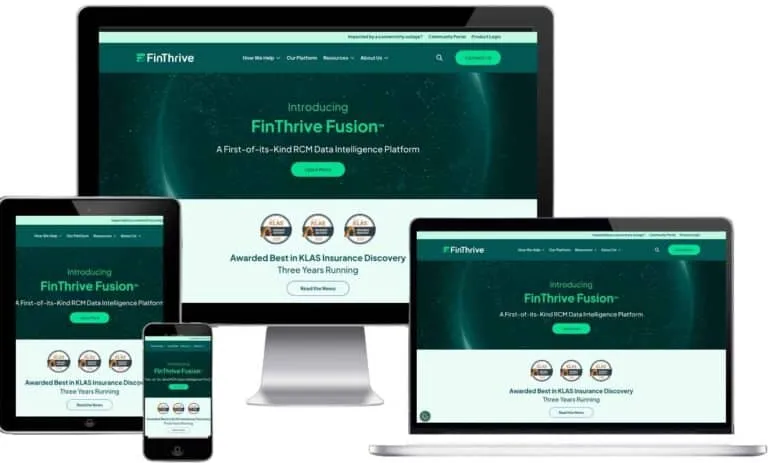
FinThrive
B2B Software | Demo-Motion Site Rebuild
A revenue-cycle platform whose site was losing hospital evaluators before the proof loaded. Egochi rebuilt it around the demo motion, cut the load time, and demo requests climbed.
- 50% Bounce Rate Drop
- 40% Page Load Time Cut
- 300 Monthly Demo Requests
-
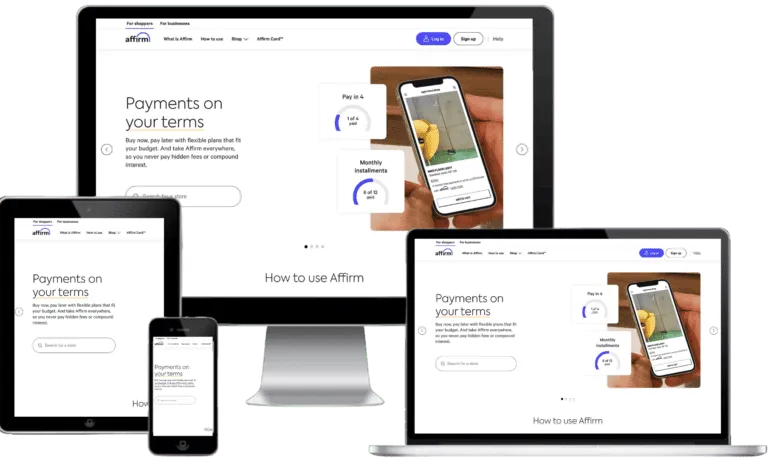
Affirm Holdings
Fintech Platform | ADA-Compliant Build
A fintech platform that needed accessibility without sacrificing conversion. Egochi delivered the custom ADA-compliant build, and engagement and conversion rose with the traffic.
- +68% Conversion Rate Lift
- +80% User Engagement Improvement
- +74% Organic Traffic Increase
-

Frontend Masters
Developer Platform | Custom Software Build
A course platform whose evaluators are developers, the harshest website critics alive. Egochi rebuilt the site and the custom class software behind it, and enrollments followed.
- +65% Course Enrollment Growth
- +60% Revenue Growth
- +70% Organic Traffic Lift
-
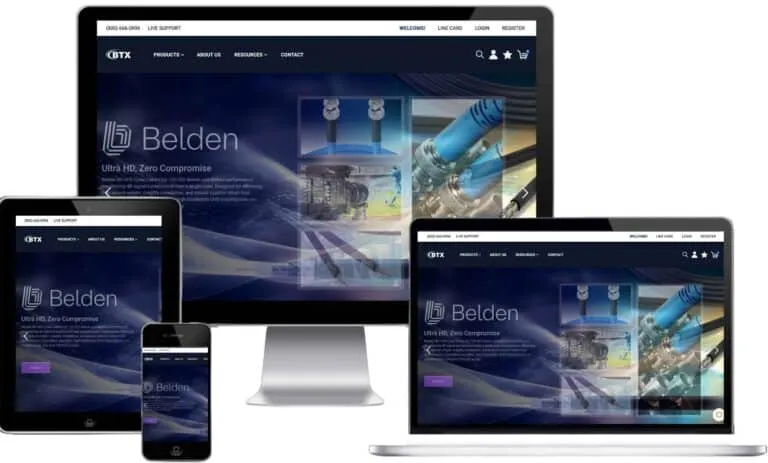
BTX Technologies
B2B Manufacturer | Magento Redesign
A technical product catalog that read like a parts list. Egochi redesigned the Magento storefront with clear product detail, and industrial buyers finally converted.
- $200K Added Revenue
- 1.5K Extra Monthly Qualified Leads
- +80% Organic Traffic Lift
-
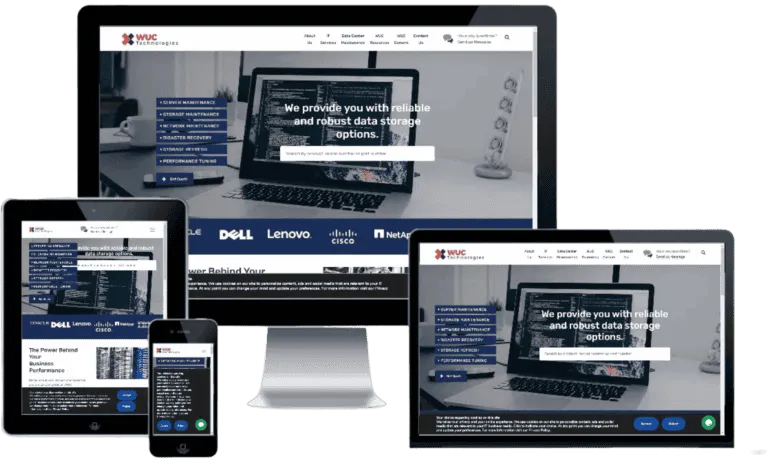
WUC Technologies
IT Services | WordPress Platform Build
A B2B IT company whose confusing layout buried its services. Egochi rebuilt the platform fast and navigable, and inquiries rose with the clarity.
- +60% User Engagement Lift
- +50% Qualified Inquiry Rise
- +75% Organic Traffic Increase
-
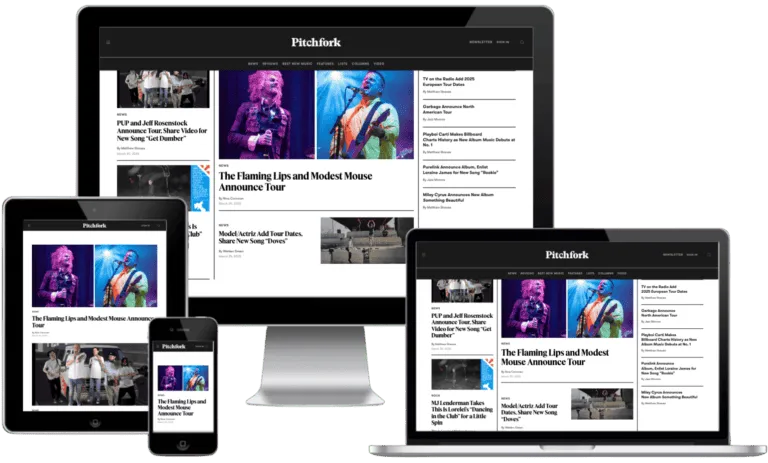
Pitchfork Media
Media Platform | Performance at Scale
A publisher serving millions of visitors, where speed is the product. Egochi cut load times at a scale most marketing sites never face, proof the static-fast standard holds under real traffic.
- -60% Load Time
- +320% Engagement
- 2.6M Monthly Visitors
See How Egochi Works
A short look at how our team plans, builds, and reports on client work.
Is This Right for You?
This is for you if
- Your product has outgrown a site built at launch, and evaluators can no longer tell what it does in five seconds.
- You are changing motion, adding a free trial or moving upmarket to demos, and the site still sells the old one.
- You want a fast, testable marketing site your team can edit without an engineer on call.
This may not be the right fit if
- You want a brand-art showcase judged on design awards rather than signups; that is a different kind of studio.
- The product has no working activation path yet; a better marketing site cannot fix onboarding, and we will say so.
See the work: Web design case studies · Technology case studies
The Complete B2B SaaS Program
This page is one part of a five-part program. Each piece works alone and works better together.
-
SaaS Digital Marketing Agency
The full program mapped to your funnel: signups, demos, expansion revenue.
-
SaaS SEO
Problem, feature, and comparison rankings that compound while ads rent.
-
SaaS PPC
Intent-tiered campaigns priced against LTV, not lead volume.
-
SaaS Social Media
LinkedIn-first authority that shortens sales cycles before the demo call.
Common Questions About SaaS Web Design
-
How much does a SaaS website design cost?
Site builds are quoted by scope after a short call, since a five-page product site and a multi-product platform site are different projects. Many SaaS teams fold the build into an ongoing plan, which starts at $1,500 monthly at Egochi and covers design, SEO, and continuous testing together.
-
How does web design affect AI search visibility?
AI engines answer questions about your product from what your site lets them read. Google AI Overviews, ChatGPT, Gemini, and Perplexity parse statically rendered pages, structured pricing and product schema, and crawlable docs; a client-side app shell or hidden pricing page leaves your answers to third parties. Egochi builds SaaS sites as citable sources, and the same structure converts human evaluators.
-
Should a SaaS company show pricing on its website?
In most cases, yes. Published tiers convert self-serve evaluators who never talk to sales, qualify the ones who do, and give AI assistants an accurate answer when buyers ask what you cost. Full enterprise motions can hold exact numbers back, but even there a "starts at" anchor outperforms a page that only says "contact us".
-
How fast should a SaaS marketing site load?
Fast enough to hold an evaluator with six tabs open: aim for Core Web Vitals in the green and interactive in well under three seconds on a mid-range phone. Speed pays twice, in rankings and in signups from visitors who never waited for the heavy version. It is also why Egochi ships static builds instead of plugin stacks.
-
How do I pick a web design agency for a SaaS product?
Ask what they want to know before quoting; an agency that never asks about your trial-or-demo motion is designing a brochure. Look for real product screenshots in their work instead of abstract art, Core Web Vitals held in the green, redirects planned at launch, and a willingness to recommend a smaller conversion pass when a full rebuild is not what you need. Egochi will make that smaller recommendation when it is true.
Awards and Partnerships Egochi Holds in 2026
-

Egochi Named 2026 Top Digital Marketing Agency by Clutch
Clutch, a B2B market research and reviews platform, names Egochi a top digital marketing agency for 2026. The distinction rests on overall market presence and, most importantly, verified client feedback. Egochi holds a 5.0 rating across 190+ reviews on Clutch.
-

Egochi Is a Certified Google Premier Partner
Egochi is a certified Google Premier Partner, a status Google grants to the top 3% of participating advertising agencies each year. The tier is earned on campaign performance, sustained client growth, and advanced Google Ads certification, and Google reviews it annually rather than granting it for life.
The Team Behind the Work
-

Jobin John
Chief Executive Officer
-

Justin Brown
Head of Search Engine Optimization
-

Bryan Thomson
Head of Web Design & Development
-

Ina Komins
Head of Social Media Marketing
-

Kierra Pita
Head of Advertising & Content Marketing
-

Patricia Turner
Chief Creative Officer
-

William Carter
Chief Digital Strategy Officer
-

Andrew Miller
Senior SEO Strategist
-

Amy Robinson
Content Marketing Manager
-

Betty Harrison
PPC Campaign Specialist
-

Anthony Carter
Lead Digital Account Executive
-

Amanda Cooper
Social Media Director
-

Carol Parker
Senior Client Success Manager
-

Barbara Bennett
Email Marketing Lead
-

Charles Turner
Technical SEO Analyst
-

Brian Sullivan
Creative Director
-

Christine Walker
Director of Project Management
-

Christopher Brooks
Digital Marketing Strategist
-

Daniel Wright
Senior Analytics Specialist
-

David Henderson
Lead Content Strategist
-

Donna Mitchell
Client Communications Manager
-

Elizabeth Foster
Director of Paid Advertising
-

Emily Baredi
Brand Experience Specialist
-

Emma Scott
Social Media Content Creator
-

George Crawford
Technical Solutions Architect
-

Jacob Evans
Digital Content Coordinator
-

James Anderson
Marketing Automation Specialist
-

Jason Palmer
Junior Copywriter
-

Jeffrey Reynolds
Paid Media Analyst
-

Jennifer Lewis
Community Engagement Specialist
-

Jonathan Murphy
SEO Reporting Specialist
-

Joseph Morgan
Influencer Marketing Coordinator
-

Kenneth Stevens
Digital PR Manager
-

Kimberly Harper
Digital Marketing Intern
-

Kevin Morris
SEO Outreach Specialist
-

Lee Dawson
Junior Web Developer
-

Linda Peterson
Email Campaign Coordinator
-

Lisa Thompson
Social Media Ads Specialist
-

Margaret Bradley
Marketing Operations Lead
-

Mark Richards
Data & Insights Analyst
-

Mary Kennedy
Senior Copyeditor
-

Matthew Clark
Growth Marketing Manager
-

Michelle Sanders
Junior Marketing Designer
-

Michael Foster
Senior Conversion Rate Specialist
-

Nancy Wheeler
Digital Analytics Manager
-

Nicholas Pierce
Affiliate Marketing Specialist
-

Nicole Adams
Outreach Program Coordinator
-

Paul Franklin
Paid Social Campaign Manager
-

Richard Barnes
Reputation Management Specialist
-

Robert Murphy
Lead Solutions Architect
-

Ronald Davis
Marketing Technology Analyst
-

Ryan Bell
Paid Media Buyer
-

Sandra Gregory
Digital Account Coordinator
-

Scott Hopkins
CRM Implementation Specialist
-

Shirley Ellis
Customer Insights Manager
-

Stephanie Cross
Brand Content Designer
-

Steven Greene
Web Analytics Specialist
-

Susan Price
Affiliate Campaign Manager
-

Thomas Fisher
Lead Technical Architect
-

Timothy Nash
Mobile Marketing Strategist
Certified & Accredited


Build a Site That Passes the Five-Second Test
Send us your current site and your motion, trial or demo. Egochi, a web design agency that publishes how it prices, comes back with what we would change, what it costs, and what it should convert.
Egochi Stats
- $200M+ Client Revenue Generated
- 500+ Clients Served
- 250+ Google Reviews
- 190+ Clutch Reviews
- 12+ Years in Business
- 60+ Team Members
- 150+ Websites Delivered
- Premier Google Partner
Blog Posts
- Sep 27, 2026 Google September 2026 Spam Update Rolls Out Worldwide
- Aug 12, 2026 GEO vs. SEO: A Comparative Guide for Digital Marketers
- Aug 12, 2026 What is llms.txt? | How to Create llms.txt file for your website
- Aug 12, 2026 What is Semantic SEO? | How to Build Topical Authority That Ranks
- Aug 12, 2026 What is Schema Markup? | How to Add Structured Data to Your Website